






March 18, 2021
From the archive: Escaping the gravity of the fixed times and places of work
In November 2019, just before that thing happened, there was this…  The worst workplace related news story of 2019 is also one of the most widely reported. I’m not linking to it because I don’t want to give it any credibility, but it has been discharged into the ether by Fellowes along with a ‘behavioural futurist’ called William Higham. I will say only two things about it. Firstly, we flatly refused to publish a story about the damn thing and it’s a shame that the mainstream media couldn’t spot it for the utter drivel it is. The fact that they have picked up on it says something about the way such issues are covered in the press. That’s why you’re more likely to see a stress-related story about rats driving cars on the BBC than you are something meaningful. (more…)

 Human resources research and advisory firm
 One of the most significant consequences of the 2008 economic crash was a remarkable shift
 Looking back, who could possibly have predicted 2020? It’s been such a difficult pandemic year for so many individuals and companies. Yet it’s also been a transformative time, which has seen dramatic shifts in the way we work. So, with some trepidation, here’s my forecast for the near future. This year will see the office bounce back, but not as we remember it. The office of the future will have an important new role as the physical embodiment of a changing corporate culture.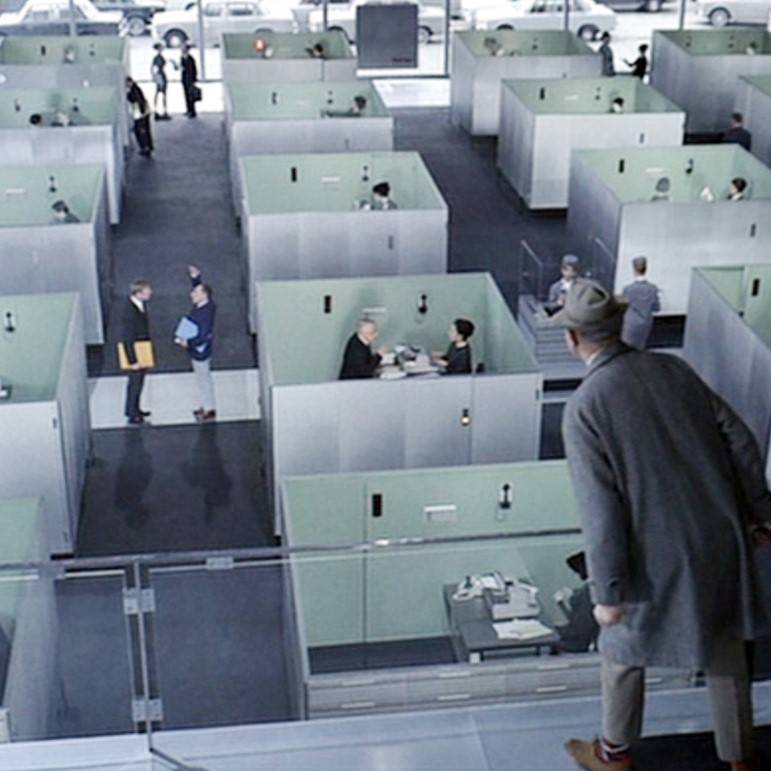
 Years of pathologising offices should have prepared us for the patholigisation of virtual spaces. It seems like months since anybody has come out with that tired old rant about open plan. Certain vociferous and obsessive
 A new study on recruitment and workforce trends has crowned London as the world’s most desirable city to work in, with the UK capital holding onto the top spot, despite uncertainty around Brexit and the ongoing Covid-19 pandemic.
 The much discussed idea of Zoom fatigue turns out to be a real phenomenon according to new peer reviewed research from Stanford academics. The study published in the American Psychological Association’s journal
 Almost one year on and a third lockdown in, it seems the pandemic has Brits re-assessing and taking more control of their work-life balance, however not everyone seems to be so successful. A
 The vaccine rollout is well on its way, the Government has set out its road map for easing lockdown and it seems there is light at the end of the tunnel. Organisations can hopefully now start to shift mindsets away from the negativity of the past months and create a positive outlook for the future. So, should leaders and managers now be pasting on the smiles, dishing out the motivational pep talks and inspirational emails? Should they aim to create a sense of positivity at work. No, most definitely not.
 Employees who find their job meaningful increase the likelihood of better performance reviews by suggesting ways of improvement for their companies, claims research from
 UK employers are reporting their strongest employment intentions in a year, the latest







March 11, 2021
Escaping the gravitational pull of workplace data
by Mark Eltringham • Comment, Technology, Workplace design
(more…)