To provide the best experiences, we use technologies like cookies to store and/or access device information. Consenting to these technologies will allow us to process data such as browsing behaviour or unique IDs on this site. Not consenting or withdrawing consent, may adversely affect certain features and functions.
The technical storage or access is strictly necessary for the legitimate purpose of enabling the use of a specific service explicitly requested by the subscriber or user, or for the sole purpose of carrying out the transmission of a communication over an electronic communications network.
The technical storage or access is necessary for the legitimate purpose of storing preferences that are not requested by the subscriber or user.
The technical storage or access that is used exclusively for statistical purposes.
The technical storage or access that is used exclusively for anonymous statistical purposes. Without a subpoena, voluntary compliance on the part of your Internet Service Provider, or additional records from a third party, information stored or retrieved for this purpose alone cannot usually be used to identify you.
The technical storage or access is required to create user profiles to send advertising, or to track the user on a website or across several websites for similar marketing purposes.








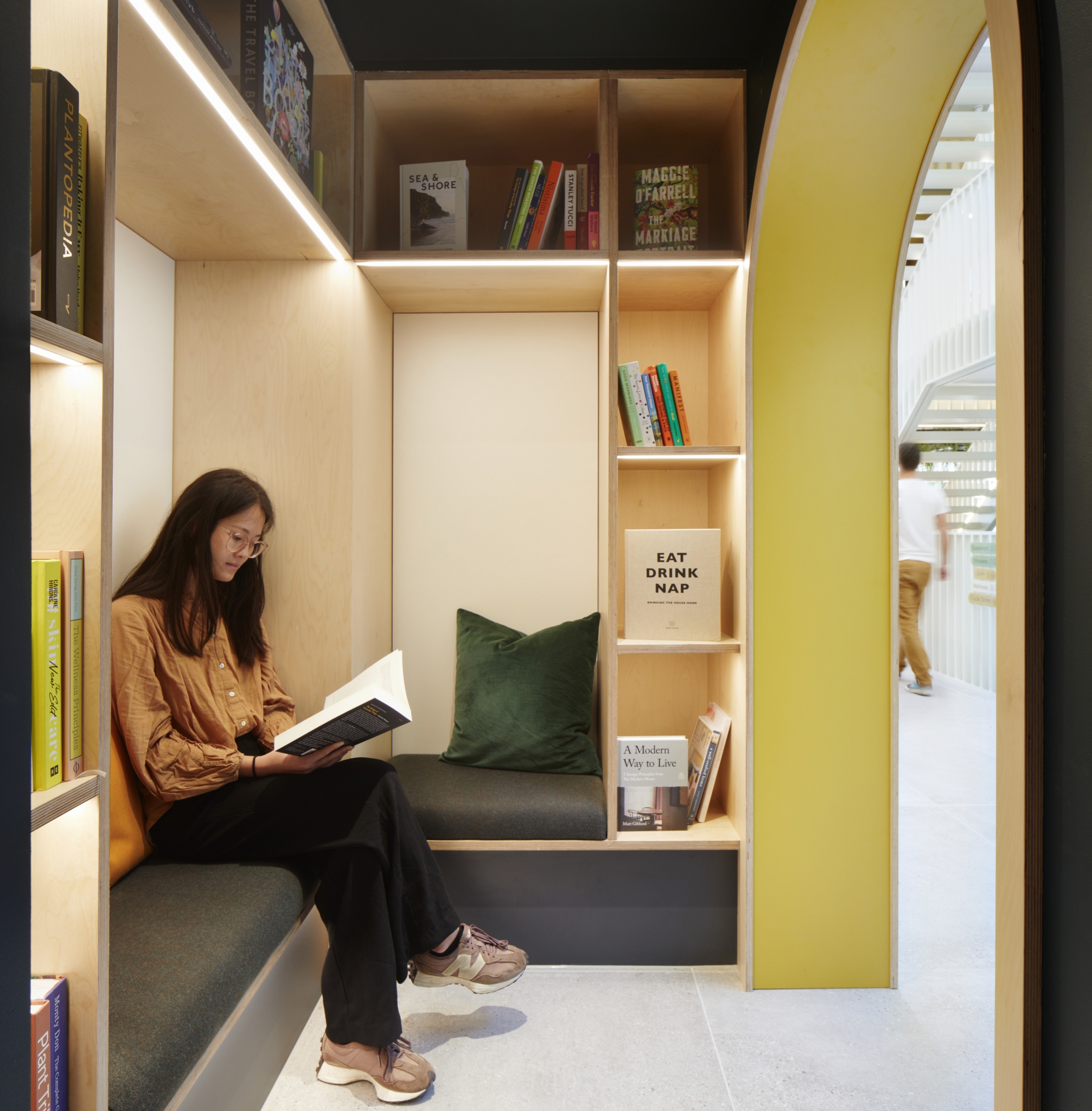 The BCO Awards for the South of England and South Wales have been announced, with recognition going to six office buildings across the region. Held at The City Hall in Cardiff, the BCO’s annual South of England and South Wales Awards Dinner claims to recognise projects that demonstrate best practice in office design, fit-out, operation and sustainability, setting the standard for excellence across the sector. (more…)

 The digital edition of issue 14 of IN Magazine is now available to read free,




 An idea that has never really gone away, but which seems to be enjoying a new lease of life is the tabula rasa. The conception of people as a blank slate is something a that has crept back into mainstream political and social thought for a variety of reasons. Arguably, it is also behind many of the most misleading notions about work and workplace design, perhaps most importantly that a change to some single element or characteristic of a working environment will lead to a specific outcome in the behaviour of people.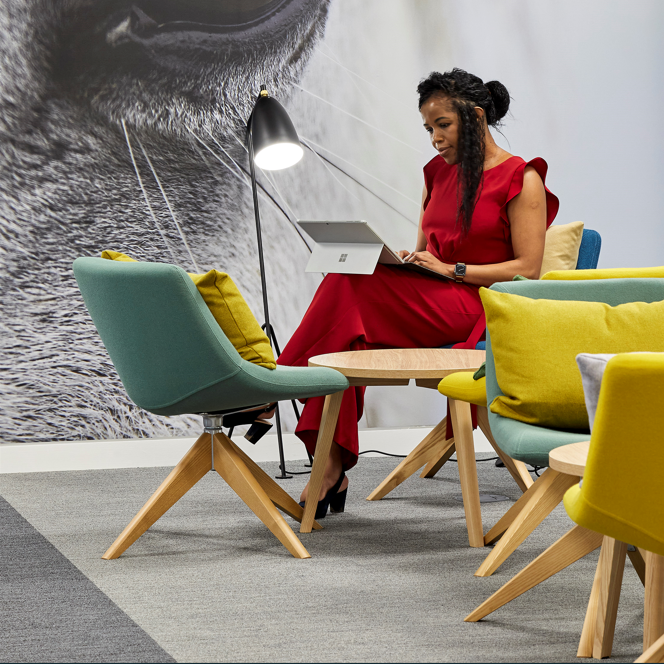
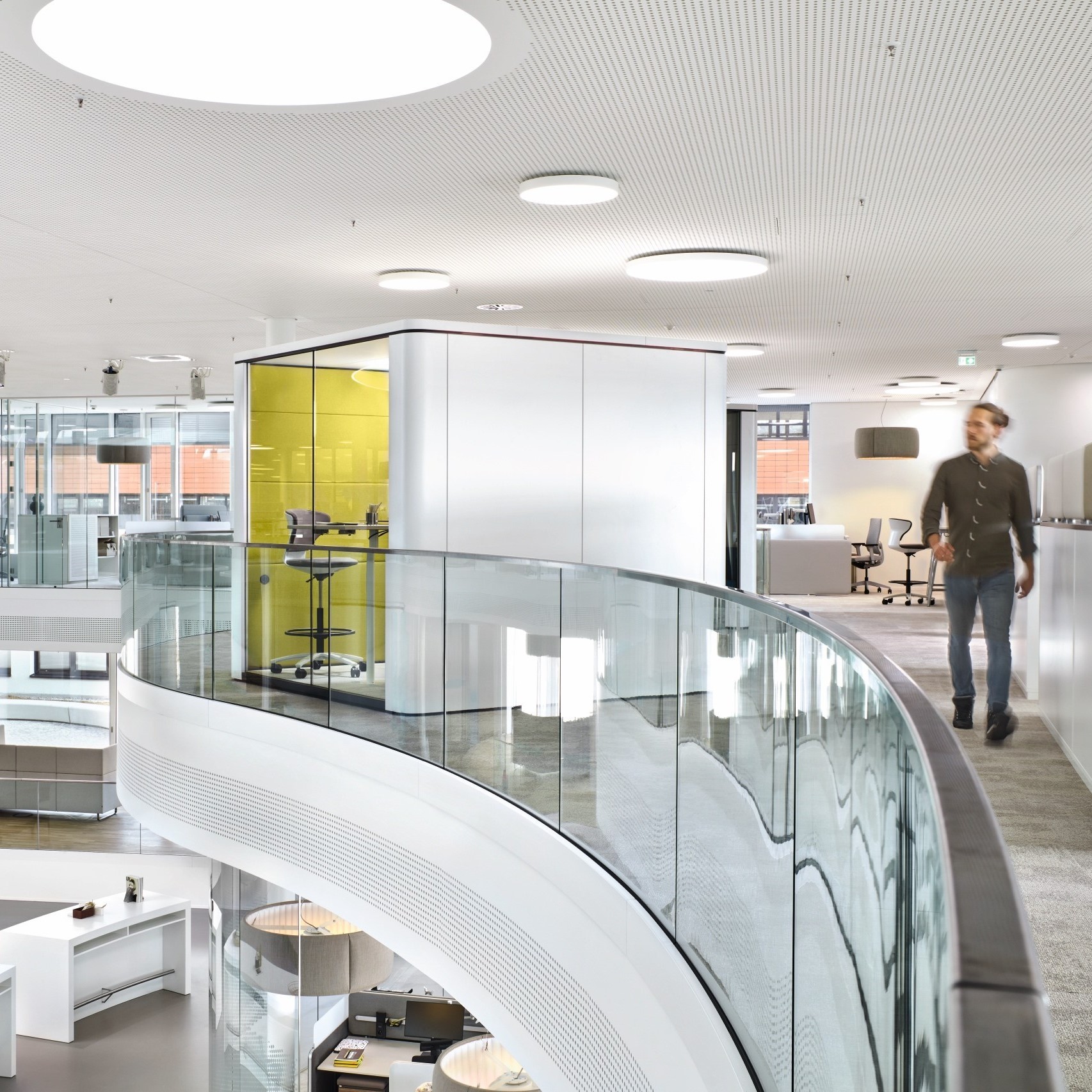
 The current debate about how much space we will need in the office from now on is not new. As with many of the debate’s facets, the point at which we find ourselves has long been our destination. We’re just here earlier than we might have expected.









April 19, 2023
We shouldn’t be deterred by the wonky start to the circular economy
by Becky Gordon • Comment, Environment, Workplace design