







May 18, 2018
Overall wellbeing of UK continues to increase, according to official data

smiley coffee
New government statistics suggest that the general wellbeing and happiness of the UK population has increased over the last twelve months. According to the Office for National Statistics’ annual report on wellbeing, Britons are more contented now than at any point since the study was first published seven years ago. The latest report is based on an analysis of responses to the ONS, which asked people to rank out of ten how happy they were on the previous day, to what extent they regarded their lives as worthwhile, how satisfied they were with life, and how anxious they were generally. For 2017, average happiness was calculated at 7.53 out of ten, living worthwhile lives at 7.88, and life satisfaction at 7.69. There was no significant change in anxiety levels, which currently average at 2.91 out of ten, the ONS said.







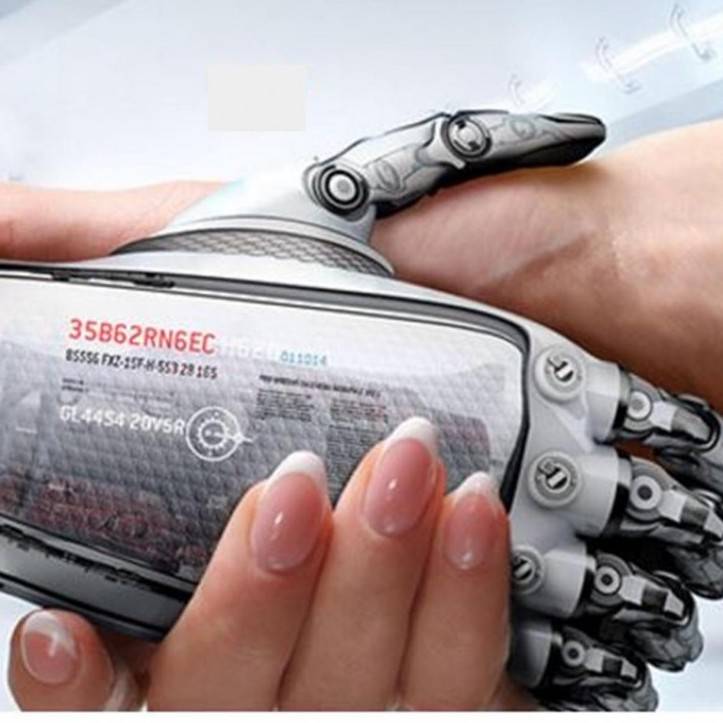
 Companies will need more, not less people, in the near-term to meet the demand stimulated by automation, claims a new report from ManpowerGroup. The report – Robots Need Not Apply: Human Solutions in the Skills, found that 91 percent of employers in the US will maintain or increase headcount in the next two to three years as industries shift to more advanced, automated processes. The report provides a real-time view of the impact of automation on headcount, the functions most affected and the soft skills that are both of greatest value and hardest to find. Frontline and Customer-Facing functions anticipate the most growth as organisations place higher value on customer service and human interaction. Manufacturing and Production functions are close behind. Back-office functions that are routine or add less value to customer interactions are under greatest threat as organisations implement new technology to drive efficiency. In this Skills Revolution the best blend of high-tech and high-touch will be the combination of human strengths with technical and digital know-how: 61 percent of companies say communication skills, written and verbal, are their most valued soft skill followed by customer service, collaboration and problem-solving.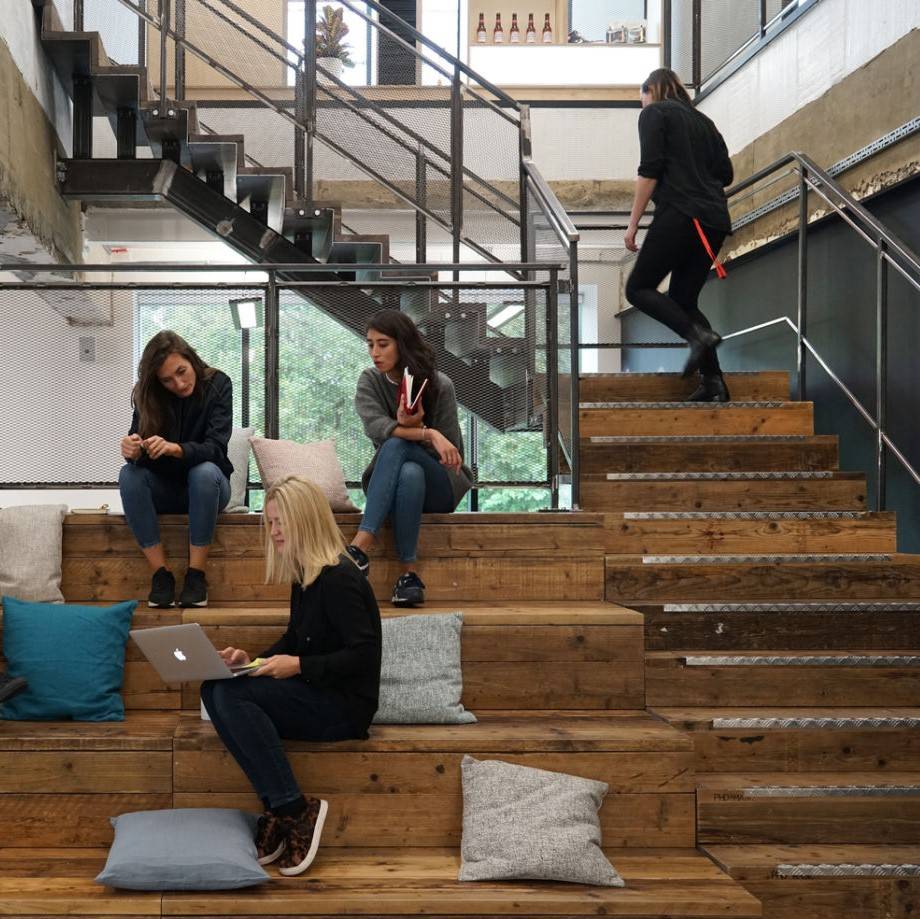

 Organisations are failing to get the basics right when it comes to providing the digital and virtual systems that support employees in their roles, despite an evolving technological landscape and rise in flexible working, a new report has claimed. Data released by Leesman analyses how organisations can better support employees by offering the technology tools and infrastructure that enable people to work in a flexible way. In Deloitte’s 2018 Tech Trends report issued at the beginning of 2018, there was a heightened focus on how disruptive technologies will help businesses achieve larger strategic and operational goals and drive greater value. It predicted that within the next two years, more companies will embrace the emerging ‘no-collar workforce’ trend by redesigning jobs and reimagining how work gets done in a hybrid human-and-machine environment. However, Leesman’s findings show that, as of yet, organisations are failing to get the digital basics right. According to its latest dataset (Q1 2018) 23 percent do not agree that they have the technology tools and infrastructure that enable them to work in different locations across the office or from different locations outside of the office.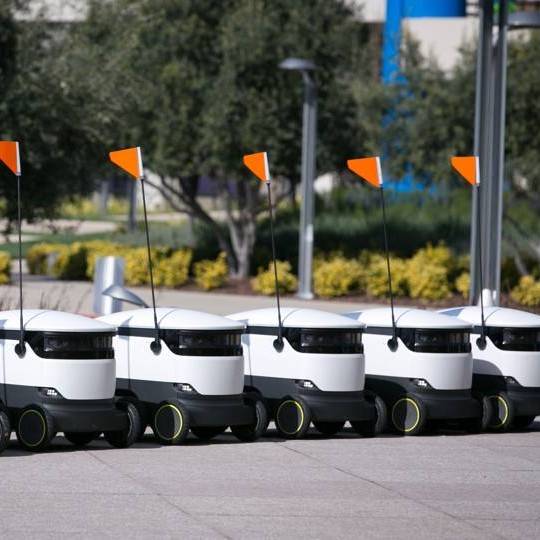











May 17, 2018
What exactly is driving the global workplace conversation?
by Andrew Mawson • Comment, Facilities management, Workplace design
(more…)