








December 10, 2020
Three quarters of US workers suffering from burnout
 A December 2020 online study of 1,136 employed U.S. adults carried out by wellbeing provider Spring Health claims that more than three-quarters (76 percent) of U.S. employees are currently experiencing worker burnout. The coronavirus pandemic — along with major political upheavals and natural disasters ranging from wildfires to hurricanes — has led to skyrocketing rates of depression, anxiety, and stress for U.S. employees, setting the stage for another crisis: worker burnout. Among U.S. employees experiencing worker burnout, 57 percent say worries about COVID-19 have been a contributing factor to their experiencing burnout, while 33 percent say worries about political issues have contributed to the problem. (more…)

 Productivity, morale and the ability to serve customers are being hamstrung by technology issues at European mid-size businesses, accordingly to research commissioned by
 Statistics released from payroll and HR company

 Heightened anxiety during the Covid-19 pandemic has led to employees working longer hours and taking fewer sick days, all the while becoming less fulfilled by work and life, according to the latest analysis from
 With many continuing to work remotely for the foreseeable future, new insights from
 Almost half of UK businesses have seen an employee move on because their mental health wasn’t being looked after, with a quarter losing a key member of their workforce, according to new


 A newly commissioned survey of 1,000 people conducted by Censuswide on behalf of
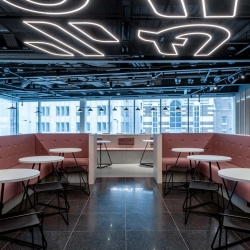 In the face of the revolutionary and long-lasting changes to workplaces across the world resulting from the pandemic, some commentators have suggested that the wide-spread necessity of adopting remote working practices may have made the office obsolete. However, such a dramatic upheaval to the very foundation of the workplace and working dynamic won’t come without a cost, and new data suggests that perhaps the office isn’t the dinosaur many assumed, but still a central pillar to effective businesses as part of a hybrid working strategy.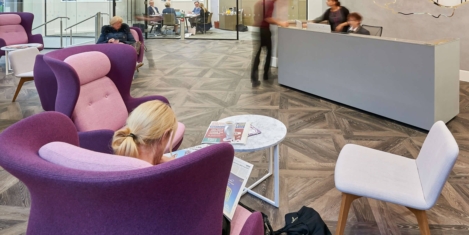
 Most of the analysis about the effects of the 2020 pandemic on people’s working lives has tended to involve grand statements about new normals and the death of this or that, as if everybody wants the same things, has the same personal circumstances, works in the same ways, the same places and same sectors.







December 4, 2020
The lost art of office furniture peacocking and the growing mental health crisis at work
by Mark Eltringham • Comment, Technology, Wellbeing, Workplace design