To provide the best experiences, we use technologies like cookies to store and/or access device information. Consenting to these technologies will allow us to process data such as browsing behaviour or unique IDs on this site. Not consenting or withdrawing consent, may adversely affect certain features and functions.
The technical storage or access is strictly necessary for the legitimate purpose of enabling the use of a specific service explicitly requested by the subscriber or user, or for the sole purpose of carrying out the transmission of a communication over an electronic communications network.
The technical storage or access is necessary for the legitimate purpose of storing preferences that are not requested by the subscriber or user.
The technical storage or access that is used exclusively for statistical purposes.
The technical storage or access that is used exclusively for anonymous statistical purposes. Without a subpoena, voluntary compliance on the part of your Internet Service Provider, or additional records from a third party, information stored or retrieved for this purpose alone cannot usually be used to identify you.
The technical storage or access is required to create user profiles to send advertising, or to track the user on a website or across several websites for similar marketing purposes.








 A slow news week here in the UK so the opportunity presents itself for quiet consideration of some important issues about the workplace. The big story has been the change of identity for the British Institute of Facilities Management, unveiled after weeks of debate and speculation. We’ll be running some commentary on what this all might mean in the next few days but for now, suffice it so say that any parallels with Brexit are entirely coincidental.

 Over half of home workers say they appreciate the benefits that home working offers but nearly a quarter complain of loneliness too, a new survey from BHSF claims. When asked how working from home makes them feel, the top three responses were: free (50 percent), in control (47 percent) and calm (46 percent). However, a significant number of those surveyed chose more negative words to describe their feelings. Just over a quarter (26 percent) said that working from home made them feel remote, 24 percent felt isolated and 21 percent lonely.


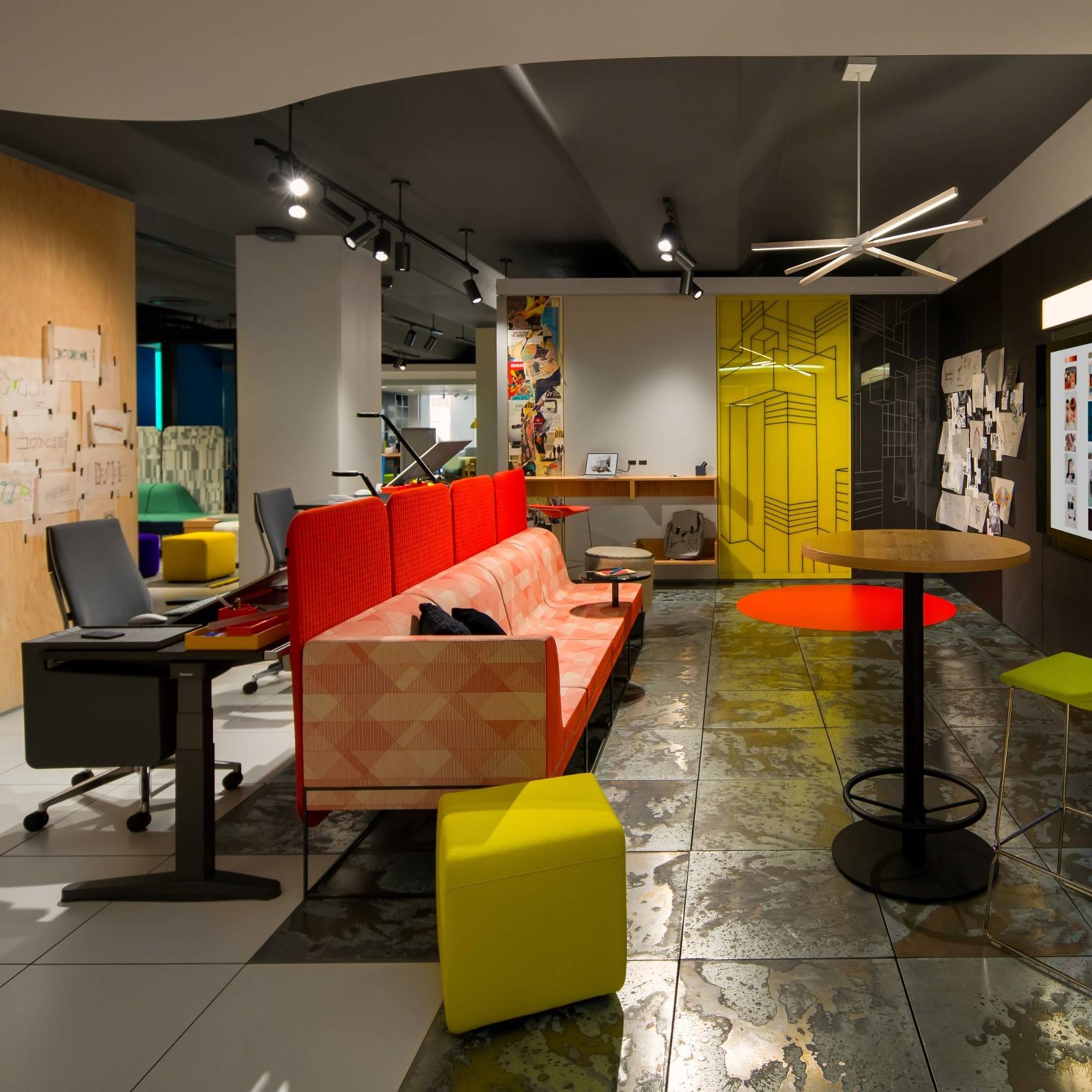
 Thanks to technology and mobility, our work has come home with us. So it’s only fair that home should come to work, right? It would seem logical that if people sit in front of a TV on the sofa at home while they work remotely, employees would be thrilled to have a similar set up within their office. However, in the workplaces where we’ve seen companies install couches and big screen TVs, those work spaces are almost never used by employees. Those companies missed the bigger picture. Home is as much an emotional experience as a physical one.











November 15, 2018
Are you ready for the world of agile working we will experience in the 2020s?
by John Eary and Paul Allsopp • Comment, Facilities management, Workplace design
(more…)