







October 27, 2017
HR Directors turning their attention to workplace design and experience
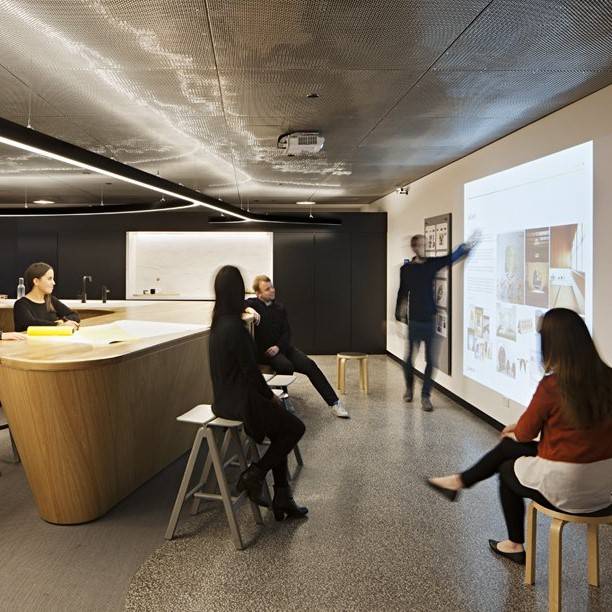 The role of HR Directors is going to change in the future as they will increasingly become “curators” of the office, charged with generating the right atmosphere to inspire millennial workers, according to a study of 100 HR Directors by Unispace. The study claims found that there will be greater HR ownership of the physical workplace in the future as human resources becomes more focused on the employee “experience”. A key to future success will be ensuring workers are “engaged with the workplace” and enable them to collaborate in better ways and become more productive. A recurring theme identified during the interviews was a change to the overall decision-making process around physical space. Previously the remit of property and facilities management, it now includes HR representation as standard practice in large organisations. Bringing HR to the table enables the working environment to embody organisational values and contribute towards achieving strategic “people-led” business objectives, such as better staff retention and productivity.






 An overwhelming majority of employees are deliberately seeking out information they are not permitted to access, exposing a major cybersecurity problem among today’s workforce, claims new research published by One Identity. The survey, conducted by Dimensional Research, polled more than 900 IT security professionals on trends and challenges related to managing employee access to corporate data. Among key findings, a remarkable 92 percent of respondents report that employees at their organisations try to access information that is not necessary for their day-to-day work – with nearly one in four (23 percent) admitting this behaviour happens frequently. Most alarmingly, the report indicates that IT security professionals themselves are among the worst offenders of corporate data snooping. One in three respondents admit to having accessed sensitive information that is not necessary for their day-to-day work.


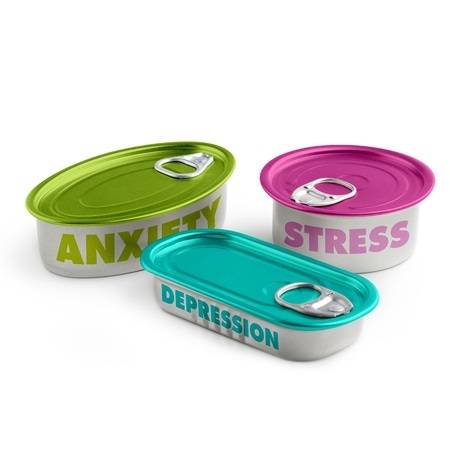
 UK workers are still uncomfortable about having honest conversations at work, with nearly two thirds (61 percent) feel they keep an aspect of their lives hidden in the workplace. The research from Inclusive Employers found family difficulties (46 percent) was the most likely hidden issue at work, followed by mental health (31 percent). One in five also admitted they would hide their sexual orientation while at work. It also found a generational divide, with 67 percent of employees aged between 18 -24 years old keeping something secret compared to 55 percent of those over aged 55 years or over. The data, released to mark National Inclusion Week 2017, found this lack of openness can have negative impacts on workers and employers, with over a quarter of workers (26 percent) admitting they would feel less connected to their workplace if they hid an aspect of themselves and 18 percent saying their performance would suffer.









October 19, 2017
How our smartphones stop us from living in the moment
by Joelle Renstrom • Comment, Technology, Wellbeing
(more…)