







March 4, 2016
World cities are victims of own success as high costs price out businesses 0
 The two highest ranking global cities in the world, London and New York (as measured in the A.T. Kearney Global Cities Index), are also the most expensive for businesses and workers to occupy. According to Savills latest Live/Work Index, which measures the combined cost of residential and office rental per person per year across leading world class cities, the cost of accommodating an employee in London (US$112,800) is more than double that of Sydney, ($49,500). The average total cost of accommodation per worker, per year in the 20 cities that were measured is US$56,855, in a list that includes established world cities and some dynamic up and coming rivals, dubbed “upstarts” by Savills. The rise of the digital economy has pushed these smaller cities, such as Berlin (population 4.3 million) and Dublin (1.7 million) into the realm of world class city status; with San Francisco seeing the greatest price rise over 2015, up by 13 percent, compared to a 9 percent fall in Moscow and Rio de Janeiro.

















March 3, 2016
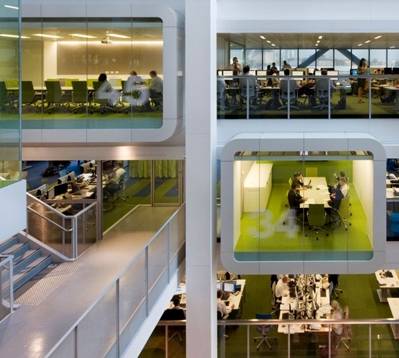
Open plan offices linked to low engagement and workplace satisfaction levels 0
by Sara Bean • Comment, Flexible working, News, Wellbeing, Workplace design
(more…)