








October 24, 2018
Two fifths of new recruits don’t have the right soft skills for the job
 Two-fifths of job-seekers are being hired into new roles only to discover they have the wrong soft skills for the job. This means over half are leaving companies because their personality or work style didn’t fit, claims news research published by HireVue. The 53 percent of those who had left for this reason saying the format of the hiring process had prevented them from discovering the mismatch earlier. While four-fifths (82 percent) of candidates are confident in their ability to articulate their soft skills and personality traits in an interview, many doubt that pre-hire assessments can showcase these important attributes. (more…)

 The new northern home of the BBC is giving London a run for its money when it comes to siting offices for the UK’s top tech talent, with Manchester leading the way, according to
 More than half of CEOs (53 percent) admit they can’t find candidates with the necessary skills to help them navigate an increasingly digitalised business landscape a new survey from Robert Half has claimed. These include data analysis and digital skills, as well as softer skills such as resilience, adaptability to change and critical thinking. This means that nearly five million UK SMEs, the equivalent to four out of every five (82 percent) small and medium-sized companies, are struggling to attract the skills they need. As a result, many are being forced to offer salary packages higher than originally expected to recruit the right talent.


 Almost two thirds (64 percent) of SME employees believe that companies should make a positive contribution to society, while half of all UK workers (50 percent) would be discouraged from working for an organisation with no interest in community or ethical goals. According to The Future Workforce from Unum and independent researcher The Future Laboratory this emphasis on a company’s ethical credentials comes in the wake of a movement towards greater awareness of global issues, which has led to demands for more transparency in how organisations do business and less tolerance of unethical corporate behaviour. As a result, an ethical employer can be an important factor when it comes to deciding whether to join or stay with an organisation –In addition, The Future Workforce report found that just under a third (30 percent) of UK workers believe that companies who are not participating in any civic or ethical contributions should be fined.

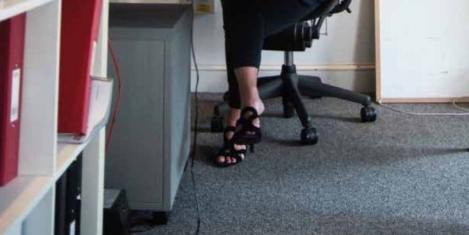


 The quality of the coffee is the most important feature for office occupants, with two thirds of workers saying a decent flat white or cappuccino is an essential for a productive and engaged workforce. Research by coworking developer Areaworks also found that being closer to the outdoors, and the ability to work from a balcony or roof terrace was an important factor for 64 percent. Hanging chairs, bean bags and flexible spaces are a must for most, as half of office workers want to ditch fixed desks in favour of casual seating and hot desking, making it a top five most favoured feature. the office gimmicks failed to feature on most people’s workplace bucket list. The installation of office gimmicks such as fireman’s poles and ball pits all failed to feature on most people’s workplace list, but slides did make the list, while the majority (66 percent) included a fridge complete with beer and prosecco among their choice items.
 Young people leaving education and looking for work may be missing out on potential employment opportunities by failing to consider Small and Medium Enterprises (SMEs) and the advantages they offer, new research from Santander UK claims. ‘Gen Z’ and Millennials do not believe SMEs offer the same job security or salary as large businesses, meaning just a third (35 percent) of young people leaving education in 2018 want to work for smaller employer, and an even smaller proportion, just one in six (18 percent), want to work for a start-up or micro business. The most popular career aspirations for Generation Z and Millennials are to work for a large firm (51 percent), the public sector (51 percent) or a global multinational (49 percent), because of a perceived lack of job security (56 percent). There is also the belief that SMEs offer a lower salary (46 percent) and fewer opportunities for progression than large companies (33 percent). Yet the majority (70 percent) of SMEs are actively recruiting for entry level roles, whether that be graduates (43 percent), further education leavers (36 percent) or school leavers (35 percent).












October 16, 2018
Law firms are finally embracing the agile workplace
by Simon Pole • Comment, Workplace design
(more…)