To provide the best experiences, we use technologies like cookies to store and/or access device information. Consenting to these technologies will allow us to process data such as browsing behaviour or unique IDs on this site. Not consenting or withdrawing consent, may adversely affect certain features and functions.
The technical storage or access is strictly necessary for the legitimate purpose of enabling the use of a specific service explicitly requested by the subscriber or user, or for the sole purpose of carrying out the transmission of a communication over an electronic communications network.
The technical storage or access is necessary for the legitimate purpose of storing preferences that are not requested by the subscriber or user.
The technical storage or access that is used exclusively for statistical purposes.
The technical storage or access that is used exclusively for anonymous statistical purposes. Without a subpoena, voluntary compliance on the part of your Internet Service Provider, or additional records from a third party, information stored or retrieved for this purpose alone cannot usually be used to identify you.
The technical storage or access is required to create user profiles to send advertising, or to track the user on a website or across several websites for similar marketing purposes.







 Nearly two thirds of American employees are resisting the calls for a ‘return to the office’, according to a poll published in The Hybrid Performance Review from Poly. The firm surveyed 5,000 US employees and employers to uncover how workspaces, technology, and personality traits impact performance; and how employers are responding. (more…)
 Employees with full autonomy to choose where they work are happier in their job, yet only one in five are currently able to do so. And though 60 percent of all employees prefer hybrid working, only 39 percent are able to flexibly split their time between the home and office. This is according to Jabra’s 2022 edition of the




 There’s a scene in the 1986 horror movie The Fly in which Seth Brundle (Jeff Goldblum) persuades the reporter Veronica Quaife (Geena Davis) to try two steaks, one of which Brundle has just sent between two teleportation pods in an effort to work out why the pods can’t process organic matter, including the organic matter that had recently belonged to a very unfortunate baboon.


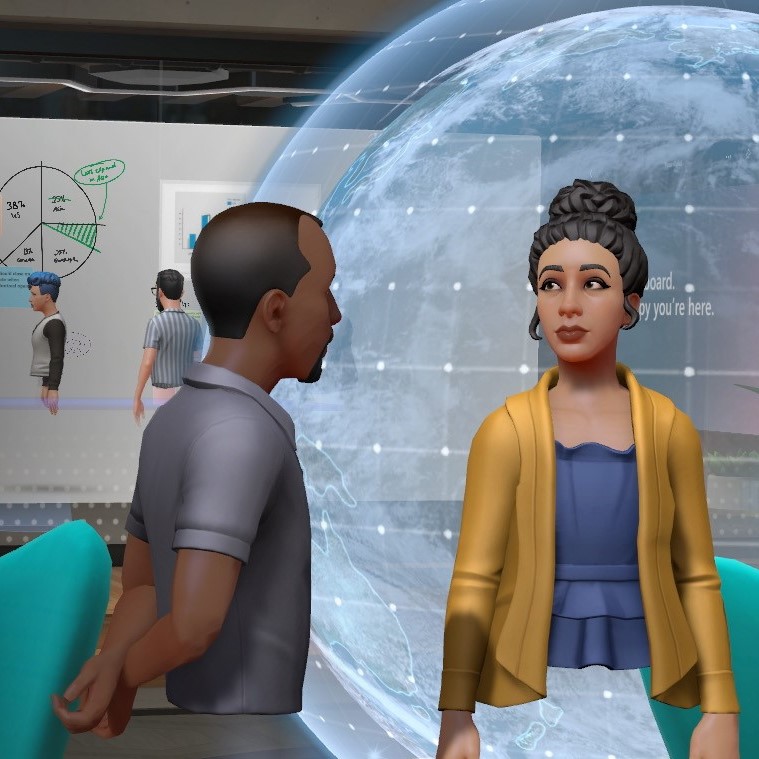

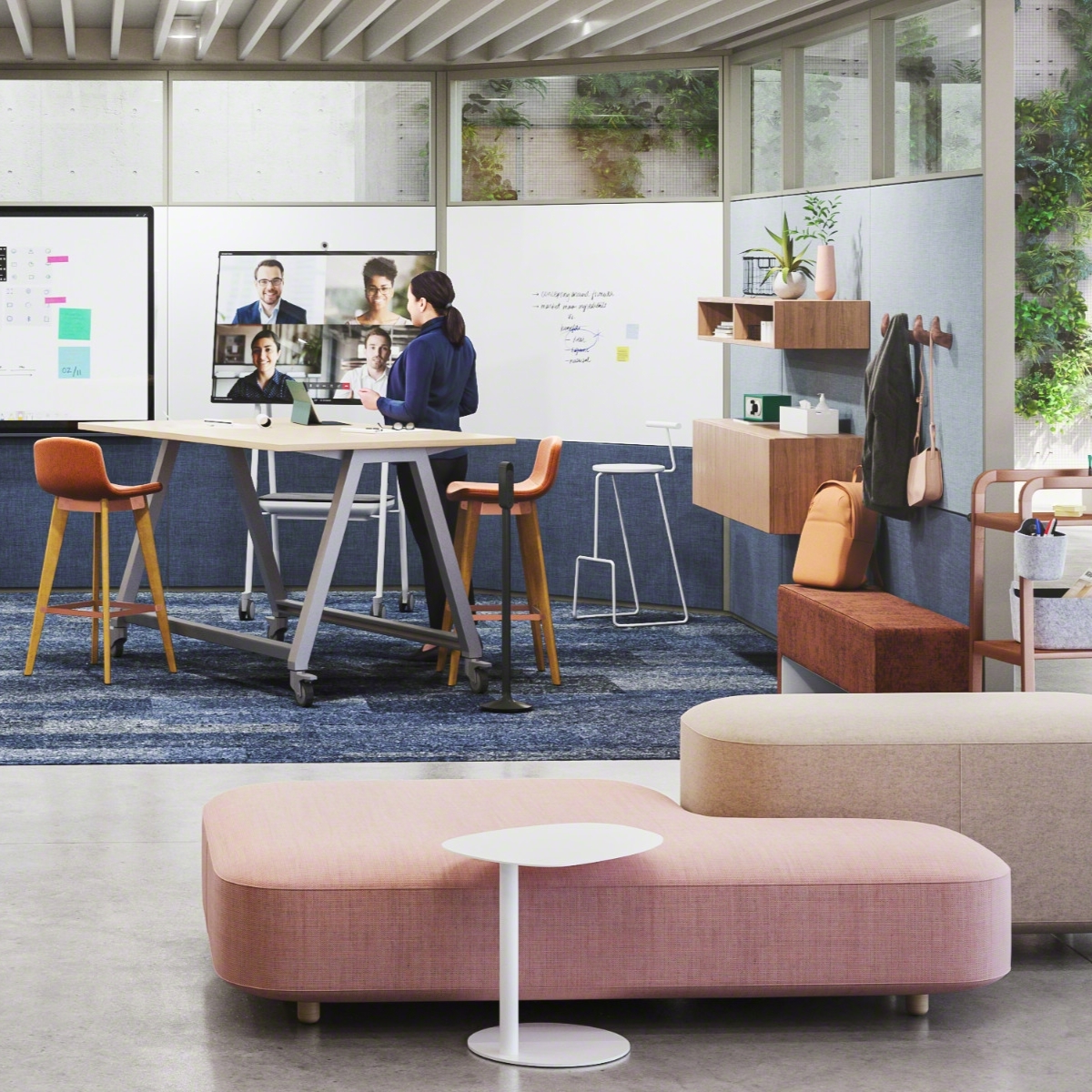

 The first Omnirama event on the 23rd of March launched the series exploring different factors challenging the world of work in a time of prevailing uncertainty. Underlying Ominirama’s raison d’etre is that recent events have turned the status quo on its head with some major structural and systemic changes taking place. Nobody seems to have any clear idea of how to deal with this enormous transformation in the ways we work All the playbooks and all the guidance that we have all relied upon for so many years have now gone out the window.
 Even as we begin to glimpse the light at the end of the tunnel of the pandemic, evidence suggests that many workers want to carry over the working flexibility that the pandemic afforded into the post-pandemic world and a new future of work. Namely, employees are wanting to adopt a ‘mixed’ working style – spending time both working in the workplace,









May 9, 2022
Human resources professionals should focus on boardroom partnerships
by Jeanette Wheeler • Comment, Workplace