To provide the best experiences, we use technologies like cookies to store and/or access device information. Consenting to these technologies will allow us to process data such as browsing behaviour or unique IDs on this site. Not consenting or withdrawing consent, may adversely affect certain features and functions.
The technical storage or access is strictly necessary for the legitimate purpose of enabling the use of a specific service explicitly requested by the subscriber or user, or for the sole purpose of carrying out the transmission of a communication over an electronic communications network.
The technical storage or access is necessary for the legitimate purpose of storing preferences that are not requested by the subscriber or user.
The technical storage or access that is used exclusively for statistical purposes.
The technical storage or access that is used exclusively for anonymous statistical purposes. Without a subpoena, voluntary compliance on the part of your Internet Service Provider, or additional records from a third party, information stored or retrieved for this purpose alone cannot usually be used to identify you.
The technical storage or access is required to create user profiles to send advertising, or to track the user on a website or across several websites for similar marketing purposes.







 Research published by Dell claims to highlight the issues related to office design holding back workers’ productivity and the impact this has on UK businesses. While classic gripes like office temperature and loud colleagues take the top spots, poorly designed or implemented technology is having a negative impact on employees – with out of date technology (29 percent), poor Wi-Fi (22 percent) and poorly integrated technology (19 percent) featuring in the top ten factors UK workers feel impact their office lives. (more…)
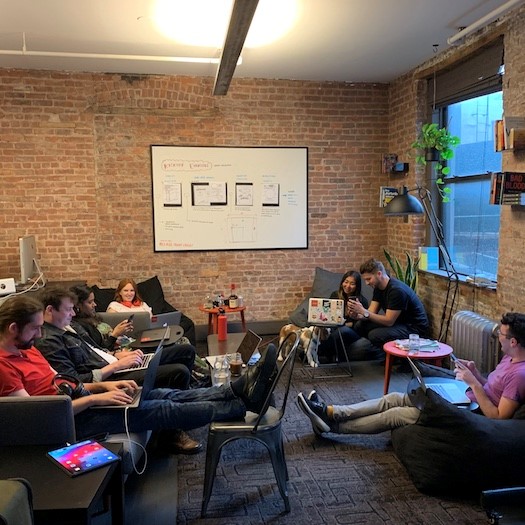 Most US workers prefer to spend some time in an office (83 percent) over fully working from home, according to


 To mark the launch of its new guide, Meetings Matter,

 In the UK approximately 1 in 100 people (600,000) have a diagnosis of epilepsy, yet despite anti-discrimination legislation, people with epilepsy in the UK are more than twice as likely as those without the condition to be unemployed. That is the main conclusion of a report from




 IT analyst Gartner has forecasted that by 2022 cloud will make up almost a third of IT spending, but only a quarter of SMEs are properly prepared for it, claims a new study. The Missed Middle study, commissioned by Crown Workspace, found that three quarters of UK SMEs are failing to embrace workplace technologies such as cloud, mobile working and digital devices. This could impact their business agility, security and financial efficiency. Cost is the most common barrier preventing SMEs from creating the optimum workspace that features modern technology. For instance voice technology has seen huge adoption over the past few years, however less than one in five respondents are ready for it in the workplace.











February 7, 2019
Maybe the time has come to shoot the workplace messenger
by Rob Harris • Comment, Flexible working, Wellbeing, Workplace design