








August 30, 2018
Larger businesses far more stressful to work for than smaller firms
 We reported yesterday that younger job seekers who favour corporates could be missing out on greater opportunities within smaller organisations, and now new research suggests that despite margins often being tighter and tensions or losses often being felt more keenly in smaller businesses, the level of occupational stress workers feel directly correlates to the size of the company they are in. Micro businesses employing a maximum of four members of staff were less likely than those in businesses of any other size to feel work-related stress, with 45 percent of employees reporting this to the Perkbox 2018 UK Workplace Stress Report. This figure increases to 57 percent for small businesses (5 – 50 staff) and again to 62 percent for small to medium sized organisations (51 – 500 employees). Finally, workers at larger sized businesses – those with more than 500 members of staff – report the greatest instances of staff experiencing workplace stress (65 percent).

 Young people leaving education and looking for work may be missing out on potential employment opportunities by failing to consider Small and Medium Enterprises (SMEs) and the advantages they offer, new research from Santander UK claims. ‘Gen Z’ and Millennials do not believe SMEs offer the same job security or salary as large businesses, meaning just a third (35 percent) of young people leaving education in 2018 want to work for smaller employer, and an even smaller proportion, just one in six (18 percent), want to work for a start-up or micro business. The most popular career aspirations for Generation Z and Millennials are to work for a large firm (51 percent), the public sector (51 percent) or a global multinational (49 percent), because of a perceived lack of job security (56 percent). There is also the belief that SMEs offer a lower salary (46 percent) and fewer opportunities for progression than large companies (33 percent). Yet the majority (70 percent) of SMEs are actively recruiting for entry level roles, whether that be graduates (43 percent), further education leavers (36 percent) or school leavers (35 percent).
 London has joined 18 other cities around the world, including Paris, New York and Tokyo, in a landmark commitment to make all new buildings operate at net zero carbon by 2030. Regulations and planning policy will also target existing buildings to make them net-zero carbon by 2050. Net zero carbon buildings are buildings which reduce all energy use as far as technically possible, with remaining demand met through renewables. The commitment has been orchestrated by C40 cities, a global group of major cities committed to delivering on the most ambitious goals of the Paris Agreement at the local level. As city authorities do not have direct control over all the buildings in their area, the commitment includes a pledge to work together with the private sector as well as state and regional governments to drive the transformation. This pledge from cities is part of the World Green Building Council’s
 The new corporate governance code that comes into play early next year includes directives on how companies engage with their staff, but it is a voluntary code which will allow businesses to opt out if they wish. Now a new report suggests there is currently is a high level of mistrust towards senior UK managers, with just 16 percent trusting this group, according to the study. This is despite the fact that according to the research, carried out by Virtual College the majority (95 percent) of senior managers in UK businesses believe that their employees trust them. Employees rated their trust in different roles in the following order; co-workers – 57 percent, managers – 45 percent, team members – 42 percent and senior management – 16 percent. Trust in senior management was found to be considerably lower than trust in other positions such as middle management. The sectors that trusted senior management the least included; utilities (3 percent), legal (8 percent) and government services (8.7 percent).

 The repercussions of a no-deal Brexit are being

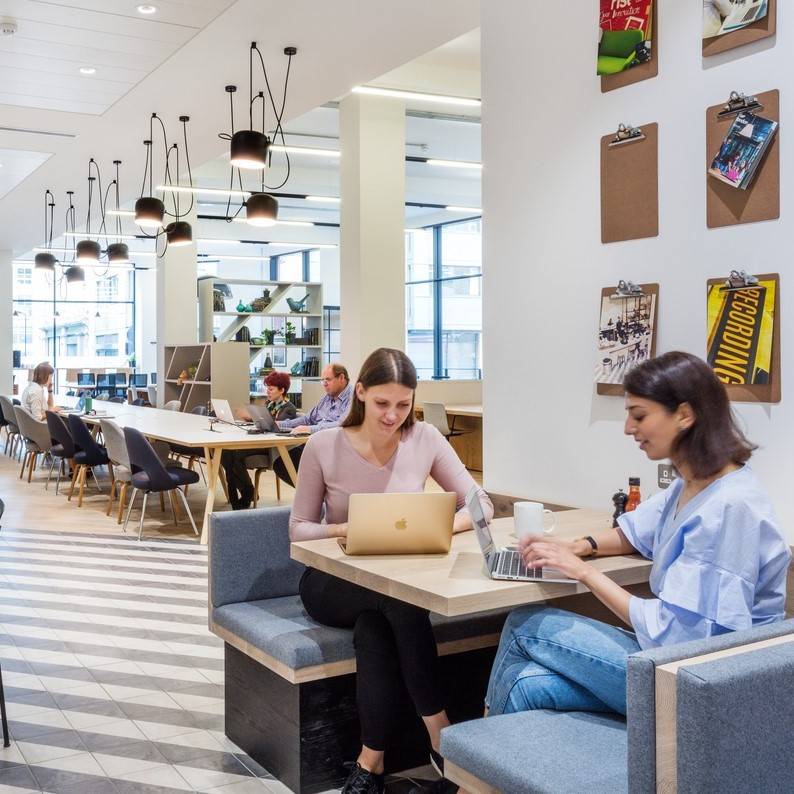

 More SMEs than larger businesses offer flexible working as a way of reducing absences, research from industry body Group Risk Development (GRiD), suggests. The research showed that 35 percent of SMEs with up to 249 employees are actively using flexible working strategies to combat absence compared to just 23 percent of organisations with over 250 employees. Drilling down further into the detail, 38 percent of micro businesses with between 1 and 9 employees use flexible working as a means to reduce absence. Flexible working now means a lot more than allowing an employee to work from home when they are feeling under the weather, and following changes in the law in 2014, it is now an option for everyone with at least 26 weeks continuous employment to request it – not just those with children or carer responsibilities. It also includes part-time working, term-time working, job sharing, compressed hours and flexitime. A greater degree of flexibility can increase productivity and reduce burn out, particularly in stressful occupations.










August 21, 2018
How do you make your company culture work for everyone?
by Jonathan Richards • Comment, Workplace
(more…)