







August 5, 2016
UK commercial property market hits record high but Brexit uncertainty lingers 0
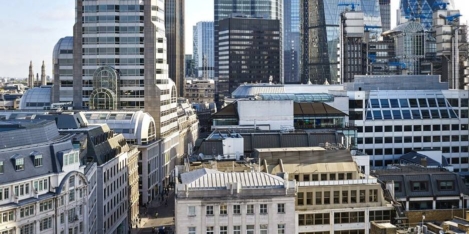
 The UK commercial property sector is now larger than at any time since before the last recession, claims a new analysis from the Investment Property Forum. It has risen nearly 50 percent since its lowest point in 2009 and is now valued at £871 billion, an increase of around 11 percent. The amount of stock actually shrank last year, according to the study, with the increase in overall value arising from price rises. The previous highest valuation the IPF puts on the market was £865 billion in 2006. All is not good news however as a second report from the same organisation which explores sentiment in the market following the Brexit vote confirms there is a great deal of uncertainty in the market. This is particularly acute in the London market which makes up over a third of the nation’s total and is increasingly dominated by foreign owners who may have a negative response to the UK’s vote to leave the EU. Intriguingly, the report found that total floorspace marginally declined over 2015 and has only increased by 0.9 percent since the market high of 2006.



 Fifteen million UK internet users have undertaken a ‘digital detox’ in a bid to strike a healthier balance between technology and life beyond the screen, according to a new Ofcom study. The study of around 2,500 people suggests that our reliance on the internet is affecting people’s personal and working lives, leading many to seek time away from the web to spend time with friends and family. Ofcom’s






 A new survey by office products supplier Viking claims that a third of workers suffer from stress and yet have no one to talk to about it. The authors of the study claims that these findings correlate strongly with people’s overall levels of fulfilment at work, with 46 percent of those surveyed saying they had negative thoughts about their job several times a week. When it comes to a person’s working environment, the results showed that office workers were more stressed than those working from home. Factors that contributed to these stress levels included working overtime, not taking enough breaks, having no one to talk to, job satisfaction, pressure to succeed. It’s no surprise that a lack of breaks is causing stress, with half of office workers admitting to taking no breaks at all during the day, excluding lunch. Conversely, a massive 61 percent of people working from home said they took two to three breaks throughout the day.


 New research from AXA suggests that small firms are sceptical about the prospects of technologies such as 3D printing, robotics and driverless cars affecting their workplace in the near future. While more than 40 per cent of small businesses still don’t have a website, the study of 898 firms claims that most of these plan to move online in the next twelve months. If these plans are fulfilled, only seven per cent of UK businesses will remain offline by this time next year. However, just one in five plan to migrate to the Cloud and only six per cent say they expect to adopt smart technologies. Driverless cars, which are set to hit UK roads as early as 2020, have an equally low resonance, as just eight per cent of business owners expect they will travel in one. Businesses were also highly sceptical when it comes to 3D printing. Just two per cent of UK businesses who might use the process expect to see it used here ‘during their lifetimes’.

 The changing energy demands of British cities are revealed in