May 16, 2017
Three workplace managers walk into a bar … and the rest is no joke 0
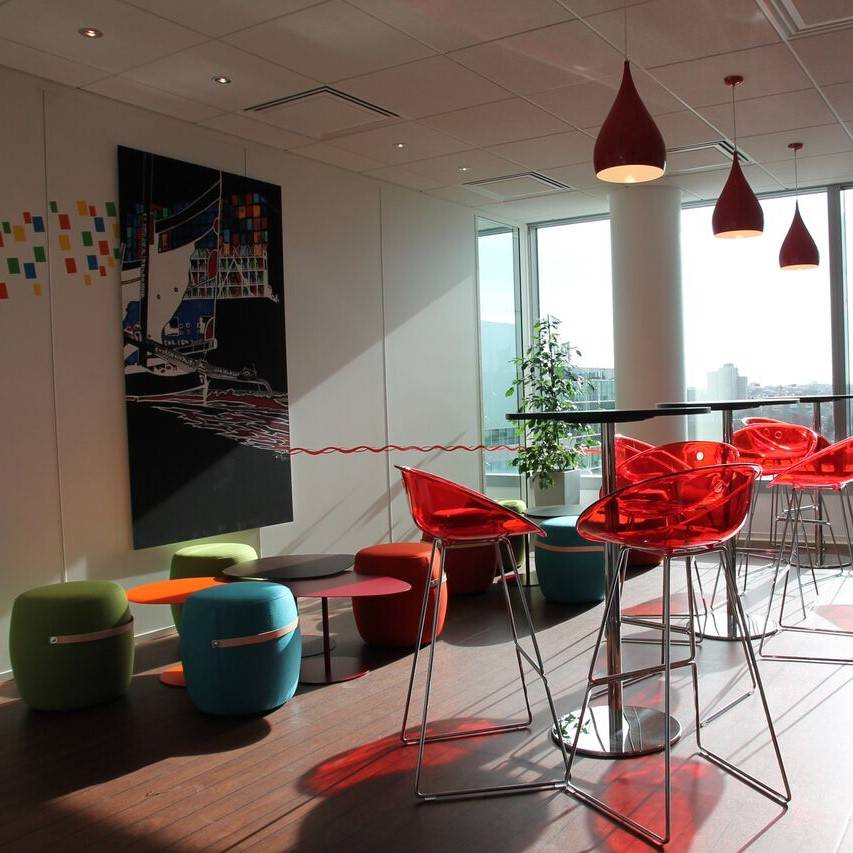
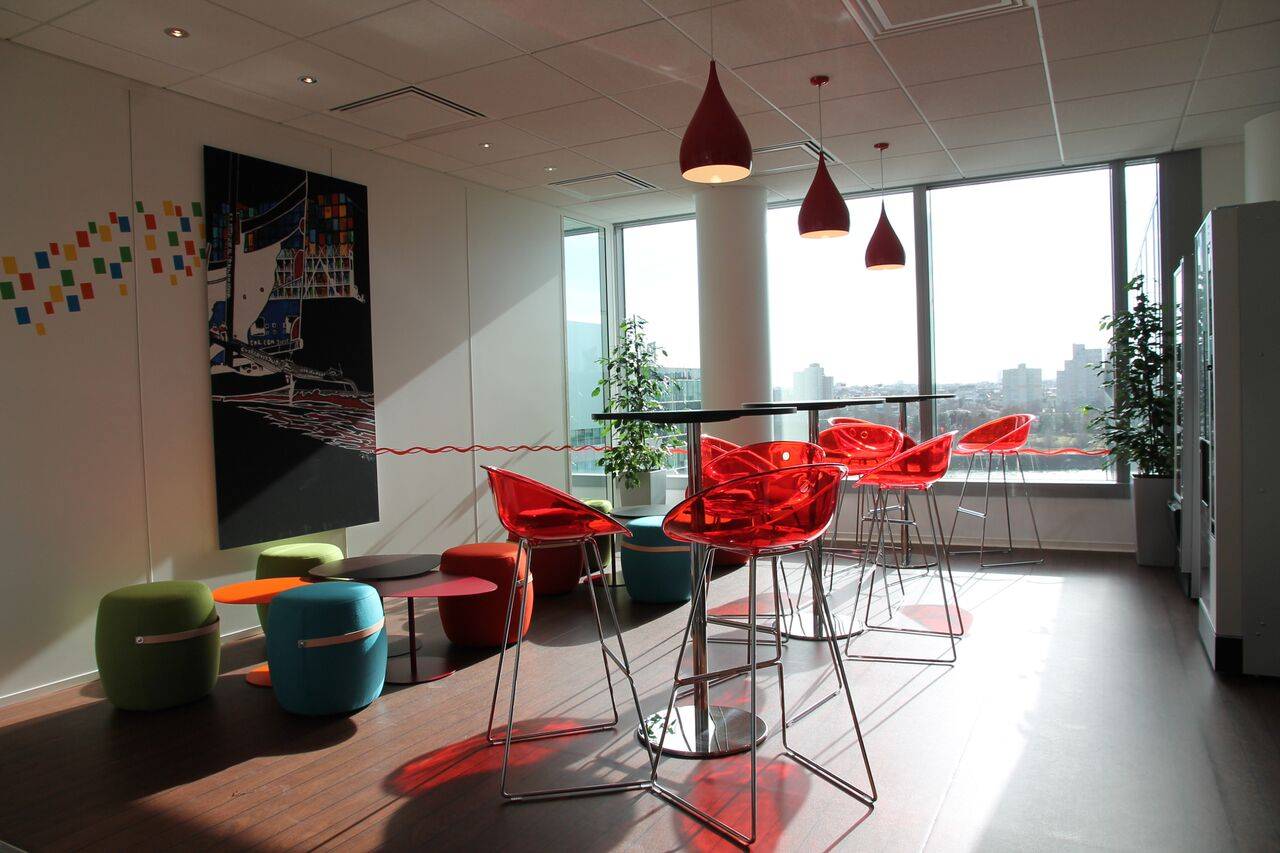
 This is a long tale, but a worthwhile one to tell, and something that many of you will relate to, especially if you have anything to do with workplace design or management. Three managers walk into a bar. This is always a good place to start. They each have gender-neutral names, so I’ll leave you to work out whether they may be male or female. Not that it even matters in this context. Frankie gets there first. “Hi. Large glass of wine please. What do you have?” The bartender pauses, then replies: “We have … red … or … um … white. Um … oh, and fizzy and pink”. Frankie thinks for a moment, dismisses the idea of a cocktail or a short, then orders a beer. It’s a corporate training centre after all. What would you expect in a place like this? An extensive wine list?
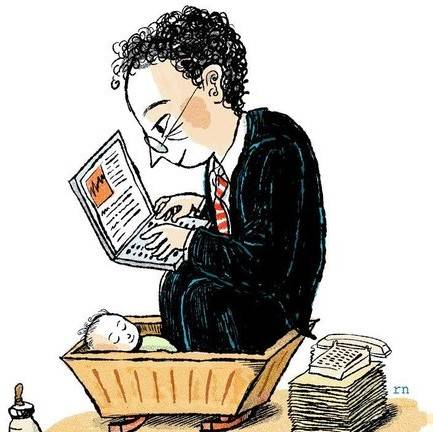
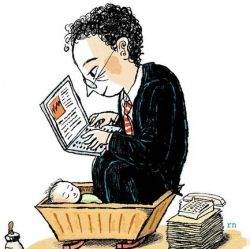 It is two years since the introduction of Shared Parental Leave (SPL), where couples were given the ability to share leave surrounding the arrival of a new addition to their family; and while sharing leave is seen to have a profound beneficial impact for the family, there are still plenty of barriers. According to



 Amos Tversky and Daniel Kahneman introduced the concept of Loss Aversion in 1984, highlighting people’s tendency to strongly prefer avoiding losses to acquiring gains. Most studies suggest that losses are twice as powerful, psychologically, as gains. Lose £100 and we will feel a remorse that easily outweighs winning £100. In a similar fashion we find it very hard to see future positives when confronted with short term loses. We understand easily what we have lost but cannot imagine what there is to be gained. Furthermore, as Frederic Bastiat wrote in an 1850 paper, “That Which is Seen, and That Which is Not Seen”, man has a tendency to “pursue a small present good, which will be followed by a great evil to come, rather than a great good to come, at the risk of a small present evil”. Put these together and it is no wonder that, by and large, the future of work, corporate real estate and the workplace is so widely misunderstood.