







July 24, 2017
Flexible working increasingly seen as top option, claims major new study
 A new report from ManpowerGroup Solutions claims that 40 percent of job candidates cite flexible working as one of their three most important career considerations. The firm polled 14,000 people in 19 countries. Among the countries surveyed, the US had the highest percentage of job candidates who want work flexibility (45 percent). A majority (63 percent) of workers said they believe they can work outside the office, and the number of men who want flexibility has significantly increased according to the study. The report, Work, for Me: Understanding Candidate Preferences for Flexibility, Manpower Group Solutions claims to offer ‘both the immediate steps and the long-term actions that companies can take to better meet their prospective employees’ preferences around flexibility’.

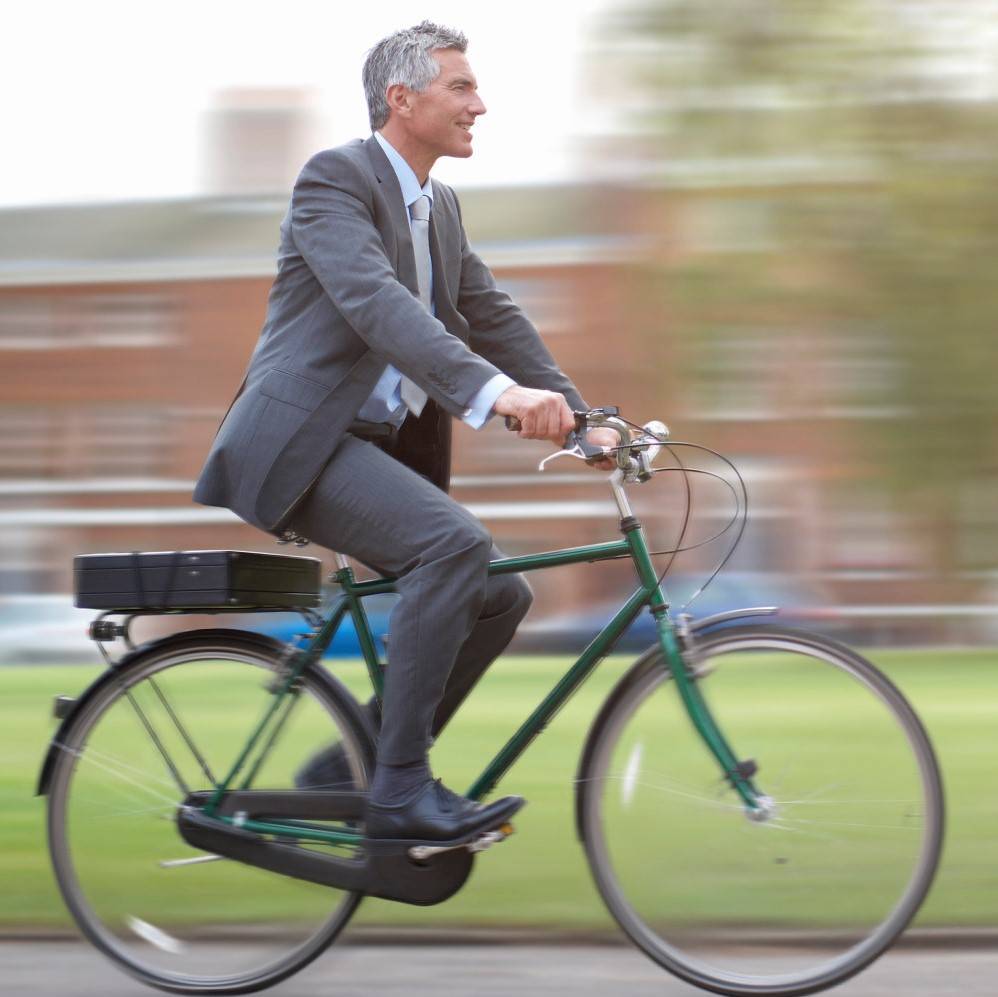
 The quality of the cycling facilities being offered by many workplaces are currently falling short and risk undermining a Government drive to increase the number of people cycling to work; as according to new research published by the British Council for Offices, 16 percent of office workers claim that inadequate facilities are discouraging them from considering commuting by bike. In April, the Department for Transport stated an aim to double the number of cycling stages, defined as a change in the form of transport as part of a longer “trip” (e.g. cycling to the train station before catching a train to work), from 0.8 billion stages in 2013 to 1.6 billion in 2025. However, new research, commissioned by the British Council for Offices and carried out by Remit Consulting, finds that whilst 83 percent of workplaces in the UK offer some form of bike storage, less than half (47 percent) of this is covered and secure. Improved parking facilities could help increase numbers of those cycling to work, with 16 percent of office workers surveyed saying that better bike storage would encourage them to do so.
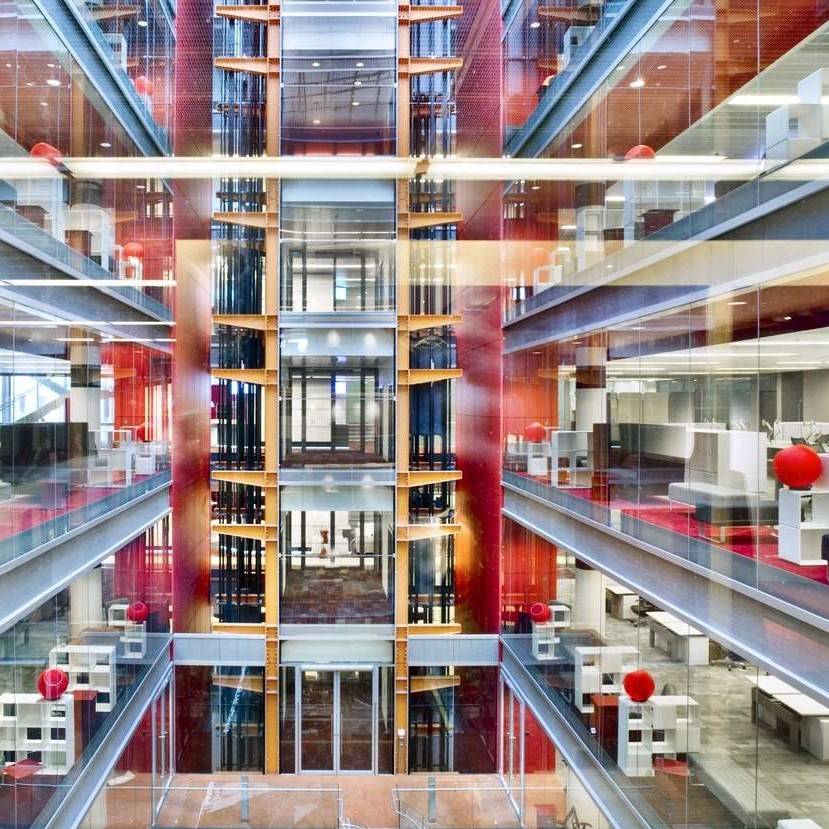
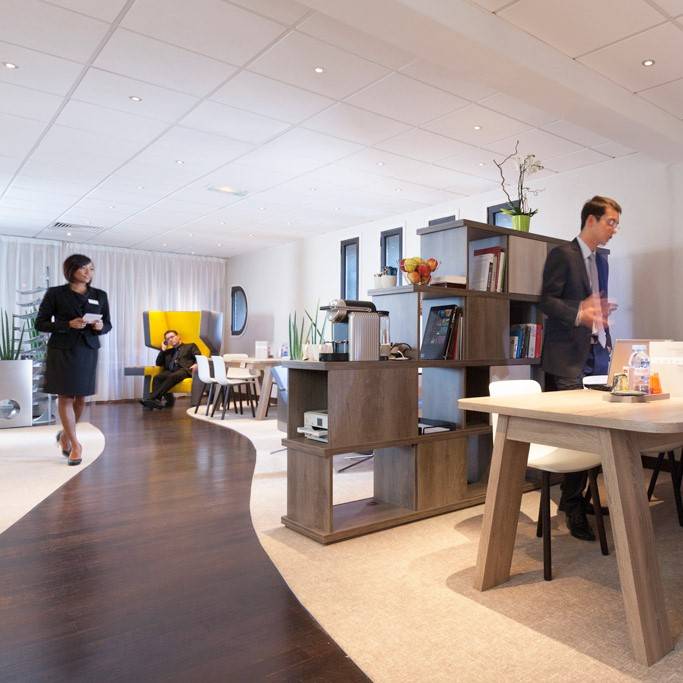





 London’s office workers are looking for shorter commutes, demanding more collaborative and networking opportunities while at work and better access to green space, retail, leisure and wellness; all of which could present a huge opportunity for the less congested outer London boroughs, a new report suggests. According to Savills latest London Mixed Use Development Spotlight, as employers and employees alike demand more from their workplace and their work- life balance, London’s outer boroughs could reap the benefits by providing greater flexible office space and affordable homes at a variety of price points. According to Oxford Economics, employment in sectors that tend to occupy co-working spaces is set to rise by 20,000 people in the outer London boroughs over the next five years, which equates to a gross additional need of 1.6 million sq ft (148,644 sq m) of office space.









August 14, 2017
Seven ways in which flexible working is making our lives more rigid
by Mark Eltringham • Comment, Flexible working, Technology
(more…)