Search Results for: creativity

Learning to learn will be key skill in new world of work

Learning to learn will be key skill in new world of work

A joint report by the Secretariat of the All Party Parliamentary Group on AI, Big Innovation Centre, and professional services firm KPMG has been published, identifying the key skills individuals and organisations will need if they are to survive and thrive in the unfolding future. The report finds that jobs in the labour market of the future will look very different from today and the transformation is likely to be dramatic. It also calls for companies and governments to equip citizens and employees for that future, to help them learn the new skills needed to be relevant in a world of constant transformation.

(more…)

Microsoft unveils new Surface devices, headphones, and software updates

Microsoft unveils new Surface devices, headphones, and software updates

Microsoft expanded its Surface family of devices with Surface Headphones, Surface Laptop 2, Surface Studio 2 and Surface Pro 6, designed to offer more performance and productivity enabling people to achieve more. The devices seamlessly fade into the background, empowering people to work without interruptions to their creative flow, whenever and wherever inspirations strikes.

(more…)

British Council for Offices announces names of best workplaces in UK

British Council for Offices announces names of best workplaces in UK

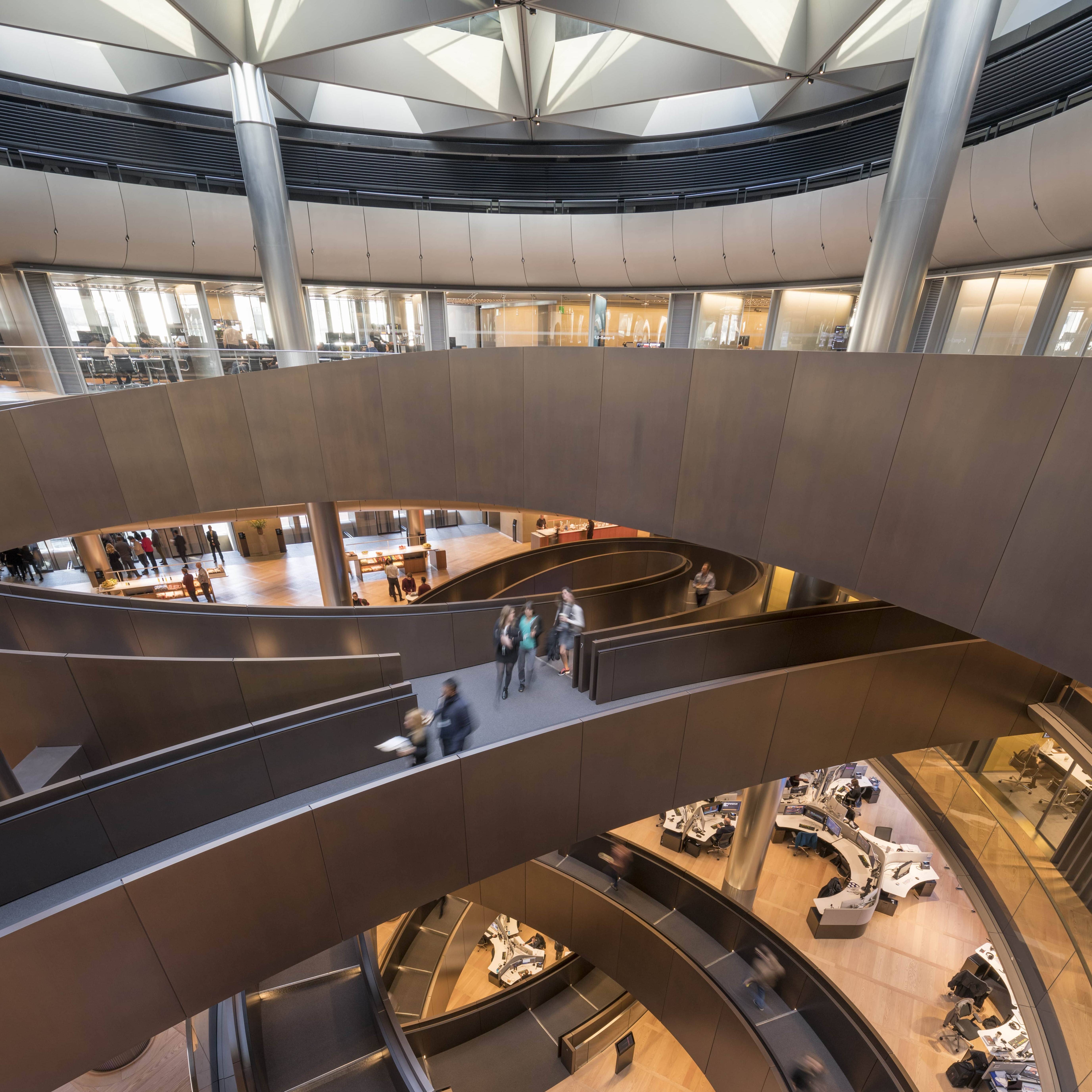
Bloomberg’s London HQ (left) came out on top at the British Council for Offices (BCO) National Awards in the UK’s capital last night, taking home both the ‘Best of the Best’ and the ‘Corporate Workplace’ awards. The office was joined by five other award winners recognised for excellence in office space. The BCO’s respected National Awards programme sets out to recognise top quality office design and functionality, with the objective of setting the standard for excellence across the office sector in the UK. The awards dinner attracted over 1,200 players from the office sector to celebrate the best-in-class talent. Winners from the 2018 Regional Awards programme attended the event at London’s Grosvenor House, hoping to take home the National Award for their category.

(more…)

How to measure the impact of biophilia on individual performance

How to measure the impact of biophilia on individual performance

The improvement in well-being and performance in the workplace are economic and social critical factors since the loss of productivity for companies means a cost of up to US$ 550,000 million per year. Numerous studies affirm that biophilic design, defined as a response to the inherent need of human beings to be in contact with nature, in the workplace improves productivity and user well-being. As Lord Kelvin said, if you cannot measure it, you cannot improve it, so the challenge that arises is how to objectify and quantify rigorously the features that improve productivity and wellbeing in spaces designed with biophilia in mind. From this, it is necessary to go a step further and objectify the design criteria serving as an operator for performance and wellbeing in design practice.

(more…)

The horrors and harmonies of workplace hierarchy

The horrors and harmonies of workplace hierarchy

I am a child of the seventies, and one of my favourite shows when I was just a tyke was The Jeffersons. For those not familiar with The Jeffersons, it was about a black family in New York City who had, through ambition and entrepreneurship, ‘made it to the top’. George Jefferson, the patriarch, was a bolshie character. Hijinks usually ensued. But what stuck with me about that show was the catchy theme song, Movin’ On Up. The lyrics were ‘I’m movin’ on up, to the upper east side, to a deluxe apartment in the sky… I finally got a piece of the pie.’ Growing up in suburbia, this was probably the first time that I learned the idea of a penthouse, and the notion that the higher up the building, the more important you were. It wasn’t until I was about age eight that I realised the word wasn’t ‘high-archy’, but ‘hierarchy.’

(more…)

We need to take a scientific approach to the potential impact of AI

We need to take a scientific approach to the potential impact of AI

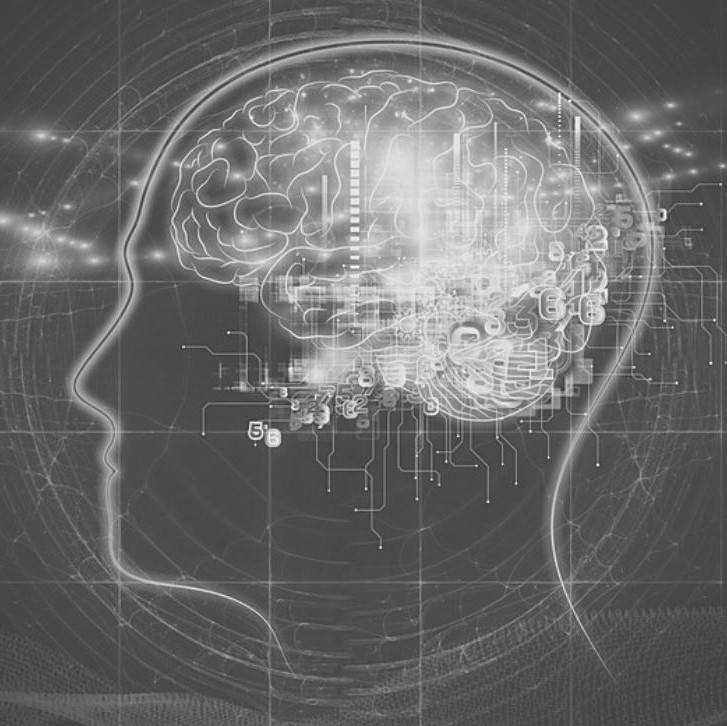
Should we be afraid of artificial intelligence? For me, this is a simple question with an even simpler, two letter answer: no. But not everyone agrees – many people, including the late physicist Stephen Hawking, have raised concerns that the rise of powerful AI systems could spell the end for humanity. Clearly, your view on whether AI will take over the world will depend on whether you think it can develop intelligent behaviour surpassing that of humans – something referred to as “super intelligence”.

(more…)

Friday finds: some things about life, work and everything we unearthed this week

Friday finds: some things about life, work and everything we unearthed this week

Just because somebody’s an introvert, doesn’t mean they want to be alone

It’s really not a good idea to zap your brain to boost creativity. And yes some people are doing that

A complete, interactive map of all the world’s coworking spaces

Setting a maximum wage for CEOs would be good for everyone

Tests show the human brain must work hard to avoid sloth

How we spend our days is how we spend our lives; choosing presence over productivity

If we want to change anything, we need to care about it

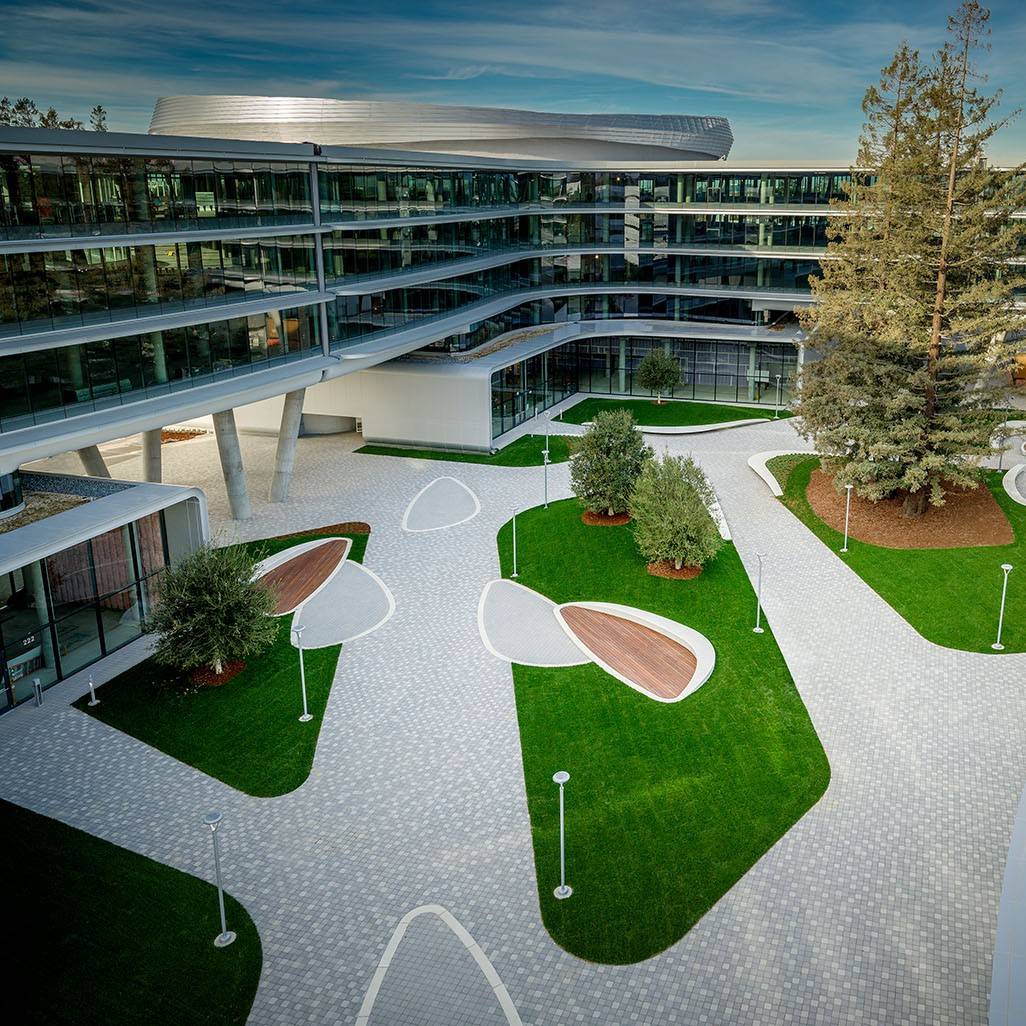
Image: LEO Nova North designed by Area

When workplace strategy builds bridges between people and place

When workplace strategy builds bridges between people and place

The world of work is changing rapidly and profoundly in a way that we haven’t seen since the time of the industrial revolution. Yet even as we stand at a momentous, game-changing inflexion point, the 21st century workplace strategy sector is still dithering about whether to join in the revolution. They are like the industrial mill owners of 19th century England who adopted a ‘make do and mend’ approach to business and failed to invest in new technology only to be forced out of business by foreign competitors who had invested in radical new, state of the art technology.Today the technological game changer is digital technology rather than weaving technology, but the effect is the same. Unless the workplace strategy sector embraces change and builds bridges between the ‘people’ side of the business and the ‘place’ side with other workplace specialists, their industry will become as dead as a dodo.

(more…)

The main challenge of modern working life: finding the place just right to meet

The main challenge of modern working life: finding the place just right to meet 0

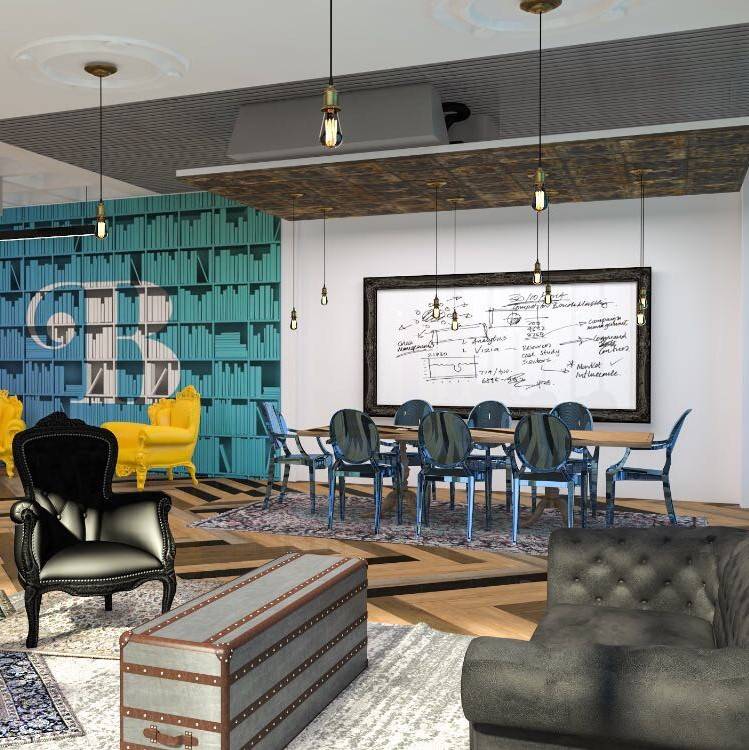
Every physical setting sends distinct signals to meeting participants – signals that set the tone and provide a context for the conversation, even when they are subtle or not in anyone’s conscious awareness.  You understand instinctively that the place where a meeting occurs has an impact on the nature of the conversation. Just imagine the difference between a conversation around a large formal conference table with expensive executive chairs and one that takes place in an informal employee lounge, with the participants seated in a circle on soft bean-bag chairs. (more…)

Half of all workplace tasks will be performed by machines within seven years

Half of all workplace tasks will be performed by machines within seven years

The world is going through a workplace revolution that will bring a seismic shift in the way humans work alongside machines and algorithms, according to new research by the World Economic Forum. By 2025 more than half of all current workplace tasks will be performed by machines as opposed to 29 percent today. Such a transformation will have a profound effect on the global labour force, however in terms of overall numbers of new jobs the outlook is positive, with 133 million new jobs expected to be created by 2022 compared to 75 million that will be displaced. The research, published in The Future of Jobs 2018, is an attempt to understand the potential of new technologies to disrupt and create jobs. It is also seeks to provide guidance on how to improve the quality and productivity of the current work being done by humans and how to prepare people for emerging roles.

(more…)

Treating employees as workplace consumers could help improve productivity

Treating employees as workplace consumers could help improve productivity

Treat employees as workplace consumers to help improve productivity says reportEmployers need to recognise the workplace as integral to delivering a business’ commercial strategy, and treat employees as ‘workplace consumers’ – creating ‘frictionless’ experiences and environments that help them perform to their best ability. This is according to a report: ‘Optimising performance: defining, designing, maintaining and evolving workplace experiences’ from Interserve, undertaken in partnership with Advanced Workplace Associates (AWA). The two-year study into the science behind effective working environments argues there is a need to radically re-envisage workplaces to optimise team productivity and maximise the value of physical working environments. It sets out a series of critical steps for knowledge-based businesses to revolutionise the workplace – and thereby aid employee performance. The report argues that traditional silos, from IT and HR to facilities, need to be broken down to integrate the management of the workplace as part of a ‘one-team’ approach; doing so will ensure companies can deliver a streamlined workplace experience which supports employee productivity.

(more…)

Artificial intelligence will create more jobs than it displaces, claims new study

Artificial intelligence will create more jobs than it displaces, claims new study

Artificial Intelligence (AI) and related technologies are projected to create as many jobs as they displace in the UK over the next 20 years, according to new analysis by PwC. In absolute terms, around 7 million existing jobs could be displaced, but around 7.2 million could be created, giving the UK a small net jobs boost of around 0.2 million. While the overall net effect of AI on UK jobs may be broadly neutral, this varies significantly across industry sectors. The most positive effect of AI is seen in the health and social work sector, where PwC estimates that employment could increase by nearly 1 million, equivalent to around 20 percent of existing jobs in the sector. On the other hand, PwC estimates the number of jobs in the manufacturing sector could be reduced by around 25 percent, representing a net loss of nearly 700,000 jobs.

(more…)