To provide the best experiences, we use technologies like cookies to store and/or access device information. Consenting to these technologies will allow us to process data such as browsing behaviour or unique IDs on this site. Not consenting or withdrawing consent, may adversely affect certain features and functions.
The technical storage or access is strictly necessary for the legitimate purpose of enabling the use of a specific service explicitly requested by the subscriber or user, or for the sole purpose of carrying out the transmission of a communication over an electronic communications network.
The technical storage or access is necessary for the legitimate purpose of storing preferences that are not requested by the subscriber or user.
The technical storage or access that is used exclusively for statistical purposes.
The technical storage or access that is used exclusively for anonymous statistical purposes. Without a subpoena, voluntary compliance on the part of your Internet Service Provider, or additional records from a third party, information stored or retrieved for this purpose alone cannot usually be used to identify you.
The technical storage or access is required to create user profiles to send advertising, or to track the user on a website or across several websites for similar marketing purposes.








 The forces that are changing the world, from AI and the current digital and technological transformation, to the short and long-term implications of Brexit, provided many of the key lessons during the first day of the CoreNet Global Summit in Madrid.



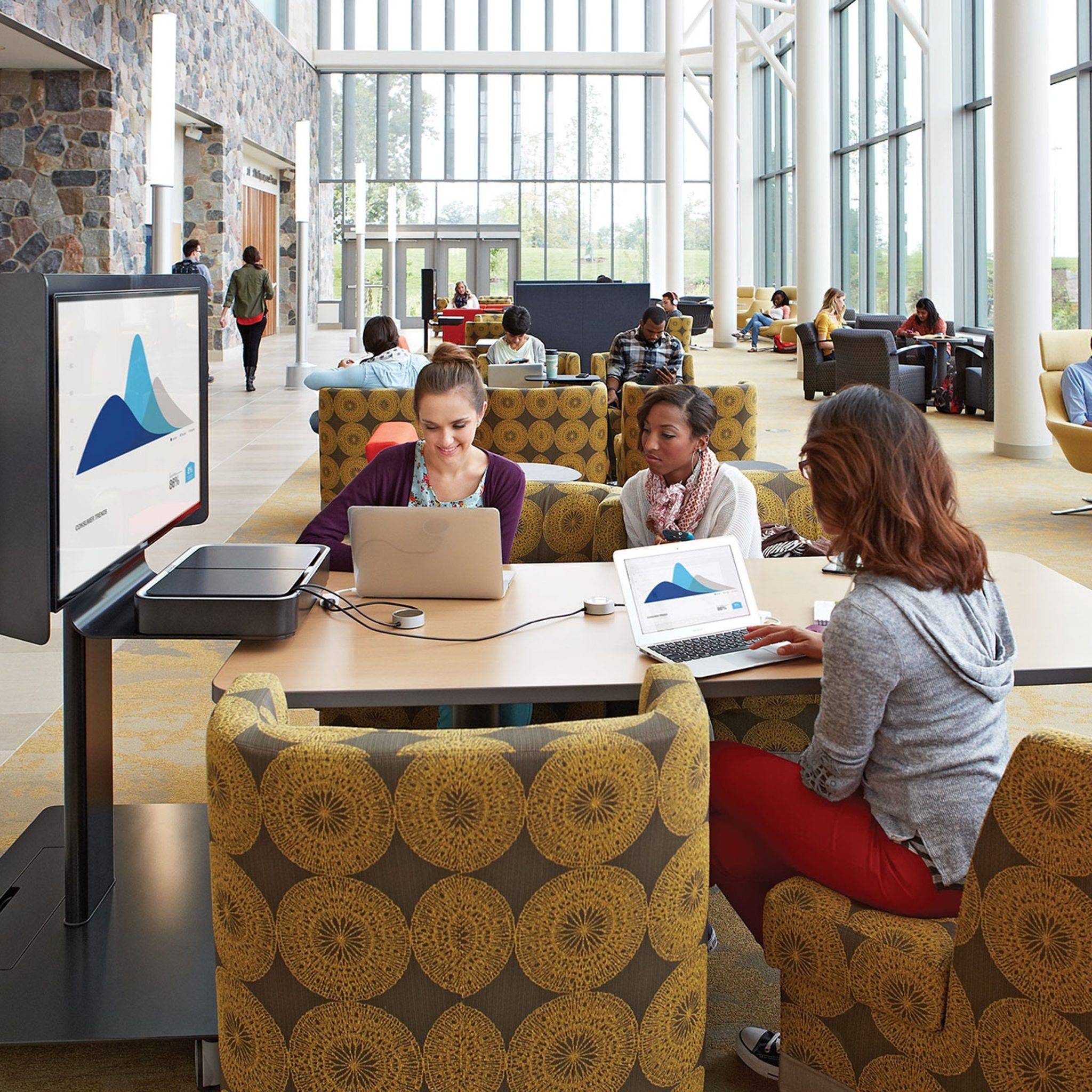
 Generation Z, the latest generation of workers to enter the workplace (aged 18-24) are social creatures a new report suggests, preferring to work in an office environment, with only 8 percent thinking they work best from home compared to 20 percent nationally. However, putting aside the assumption this is because they’re sharing a cramped flat or living with parents, even within the office environment, the vast majority (81 percent) think social and communal areas are important workplace facilities compared with only 64 percent of all employees and 58 percent of Baby Boomers.
 Last year John Cridland


 Almost two thirds (64 percent) of SME employees believe that companies should make a positive contribution to society, while half of all UK workers (50 percent) would be discouraged from working for an organisation with no interest in community or ethical goals. According to The Future Workforce from Unum and independent researcher The Future Laboratory this emphasis on a company’s ethical credentials comes in the wake of a movement towards greater awareness of global issues, which has led to demands for more transparency in how organisations do business and less tolerance of unethical corporate behaviour. As a result, an ethical employer can be an important factor when it comes to deciding whether to join or stay with an organisation –In addition, The Future Workforce report found that just under a third (30 percent) of UK workers believe that companies who are not participating in any civic or ethical contributions should be fined.