







October 26, 2018
Flexible workspace market in Asia-Pacific outpaces global markets
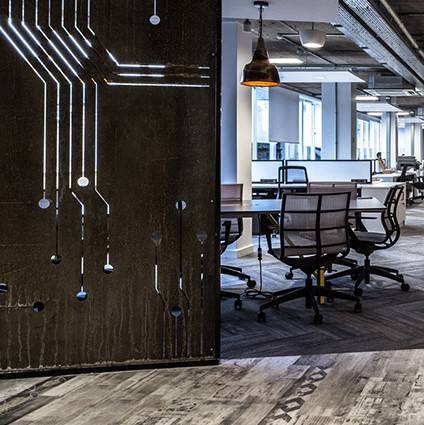 The flexible workspace market in Asia-Pacific has been the fastest growing in the world over the past 12 months, according to a new study from Instant Offices. Supply of flex centres in the regions key cities has grown consistently above 15 percent with the only inhibitor to growth being a lack of available space for expansion. Supply of flex space increased by 16 percent over the last year with an estimated 8,600 centres now providing flexible office solutions across the APAC region. This influx of capital to the flex market, alongside increasing levels of demand from clients for flexible offices, has enabled rapid expansion in a short period of time. Of the 10 largest global markets for flexible office space, which incorporates co-working, executive suites, serviced offices and hybrid space, six now fall within Asia Pacific.
















October 26, 2018
We need to move on from the stigma of mental health to finding solutions
by Gary Helm • Comment, Wellbeing
(more…)