








November 15, 2018
Majority of office workers discontented with workplace environment
 The vast majority (97 percent) of office workers in UK feel frustrated by their workplace environments, with many feeling the need to escape office life as a result. A new report from Staples has discovered that one-in-five (22 percent) end up browsing LinkedIn job ads for something better when they’re frustrated. As a result, job-hopping is prolific, with workers now predicted to have 11.7 jobs between the ages of 18 and 48. The expectation that the grass must be greener elsewhere is leaving most thinking about switching jobs. However, when they do end up jumping ship, many just experience a short-term fix. According to the study, a third (37 percent) get frustrated in their new office before the end of their first six months. The majority of office workers say they seek fulfilment (89 percent) at work, and for most (77 percent), the quality of their office workspace is a contributing factor in how fulfilled they feel.

 Over a quarter of businesses plan to hire temporary or contract staff in the next 12 months to help plug skills shortages created by digitalisation as more than half of CEOs are concerned about a lack of digital skills within their organisation. This is according to the Robert Half 2019 Salary Guide which argues that technology is reshaping businesses; with two in five UK organisations (38 percent) considering digitalisation as the main evolving force in the workplace today. This shift has created demand for a new set of skills, such as DevOps, data visualisation, data management and analytics. While softer skills such as resilience, adaptability and critical thinking remain key characteristics in potential employees, a third (31 percent) of employers state that a candidate’s technical skillset is their most important consideration when making a new hire. Around 1.6 million1 (28 percent) UK businesses plan to hire temporary or contract staff in the next twelve months, to combat the lack available talent required, which is creating a critical skills gaps in the workplace.


 A new survey of professional, mainly management-level women has revealed a lack of support for maternity returners by employers. According to the survey by working parents website
 Over half of home workers say they appreciate the benefits that home working offers but nearly a quarter complain of loneliness too, a new survey from BHSF claims. When asked how working from home makes them feel, the top three responses were: free (50 percent), in control (47 percent) and calm (46 percent). However, a significant number of those surveyed chose more negative words to describe their feelings. Just over a quarter (26 percent) said that working from home made them feel remote, 24 percent felt isolated and 21 percent lonely.




 The rise of data and digitisation has led to the demise of the traditional working day for many CEOs, with a third now checking business analytics first thing in the morning and last thing before they go to bed. This peaks at 54 percent among 25-34 year olds but drops to just 5 percent for leaders over 45, who are much more fixed to their desk. According to the research by Domo (registration required), 80 percent of these leaders prefer to wait until they are in the office to check in. Three quarters (71 percent) of CEOs across the UK and Ireland believe their business could be at risk from current blind spots in data access and skills, however, there is another demographic split. 84 percent of CEOs age 25-34 said it could be a risk, compared to just half of over 55s.












November 15, 2018
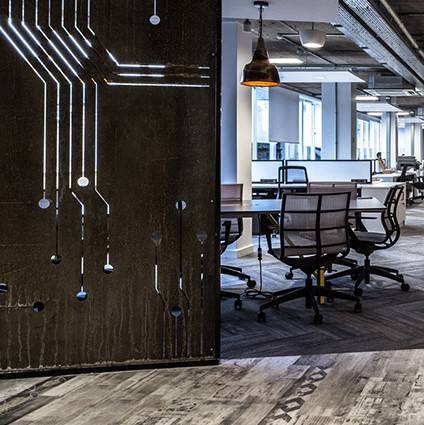
Are you ready for the world of agile working we will experience in the 2020s?
by John Eary and Paul Allsopp • Comment, Facilities management, Workplace design
(more…)