







November 23, 2016
Asian HR executives ready to welcome our new robot overlords 0
 Asia is set to lead the world in the uptake of artificial intelligence in the workplace and human resources managers expect to be in the vanguard when it comes to managing in the new era. According to a report in the MIT Technology Review, two thirds of HR managers in the region expect to be dealing with AI within five years and nearly three quarters believe the technology will lead to substantial job losses over the same period. Although the report is based on interviews with just 60 executives it highlights a growing awareness among HR managers worldwide that they will have to adjust very soon to a new era in which people are working alongside the next generation of AI. The report also highlights the different perspectives that HR professionals have on the subject compared to the boardroom.








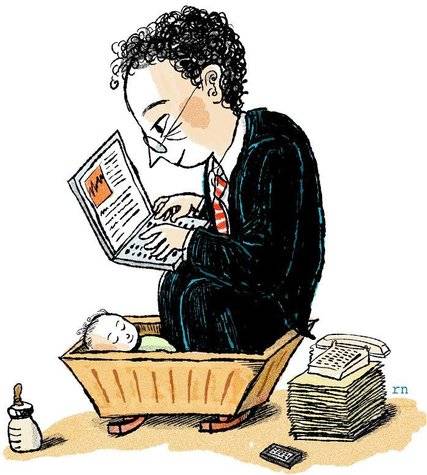



 When former Google employee Marissa Mayer joined Yahoo as its CEO in 2012, she inherited the company’s vast problems. Though it was once seen as one of the first tech behemoths, Yahoo’s inability to come up with ground breaking products like Google and others, put it in a slow, steady decline. Mayer was immediately tasked with trying to reinvigorate the stagnating company. Her focus was to find a way to identify and retain talent, while phasing out ineffective employees. However, Yahoo’s new management policies have brought about much debate and criticism from HR experts. A controversial book by journalist Nicholas Carlson titled “Marissa Mayer and the Fight to Save Yahoo!” paints a highly critical view of Mayer’s first years as CEO. In response others have defended her, arguing that she has done the best she can with the resources available, but has become a scapegoat for poor management, like so many other women in powerful positions.
 A series of reports published in the past few days highlight the challenges faced by Britain’s disabled workers. The studies claim separately that disabled workers are keen to work but are less likely to be in employment and may be hiding disabilities from employers, are paid less when they are in work and that many employers do not feel they are well equipped to deal with the needs of disabled staff. The first study from Reed in Partnership and Disability Rights UK found that one in ten employers do not feel able to support a disabled employee. Meanwhile research from the Equality and Human Rights Commission (EHRC) found that employees who experience mental ill-health earn up to 42 per cent less than colleagues. A third report from Citizen’s Advice found that 40 percent of disabled people would like to work but can’t find a job. And finally a report from RIDI claims that many people applying for jobs may be hiding their disability from employers.
 A rapidly ageing workforce is not just a challenge for Western economies. The government of China, the world’s second largest economy, has announced that it expects its workforce to decline by nearly a quarter (23 percent) between now and 2050 as the population ages and more and more jobs are automated. The Government is now considering raising the retirement age from 59 to 65 ahead of an anticipated sharp decline in the numbers of people of working age after 2030, according to the Ministry of Human Resources and Social Security. A spokesman for the ministry forecast a fall of 211 million people of working age to 700 million by 2050. China’s demographic challenge is mirrored in many countries but has its own characteristics thanks to its strict and controversial decades-long
 The ethics of everyday working life are the subject of two new surveys. A study from job site








August 16, 2016
Women struggling to reach senior executive roles in top US firms 0
by Sara Bean • Comment, News, Workplace
(more…)