May 5, 2017
Improving adult skills can help countries benefit from globalisation, claims OECD 0
 In an increasingly competitive international environment, providing workers with the right mix of skills can help ensure that globalisation translates into new jobs and productivity gains rather than negative economic and social outcomes, according to a new OECD report. The OECD Skills Outlook 2017 reveals big differences in the extent to which countries are equipping workers with the right knowledge and ability to benefit from the globalisation of production chains. The report finds a country with a skills mix that is well aligned with the requirements of technologically advanced industries can specialise in these industries on average 8 percent more than other countries, and up to 60 percent more than countries with a low alignment between the mix and these industries requirements. A supplementary note covers the UK’s situation.


 Accommodation and food services, manufacturing, and transport industries will be hardest hit by limits on movement of EU and non-EU workers following Brexit, a new report has claimed. The latest edition of Mercer’s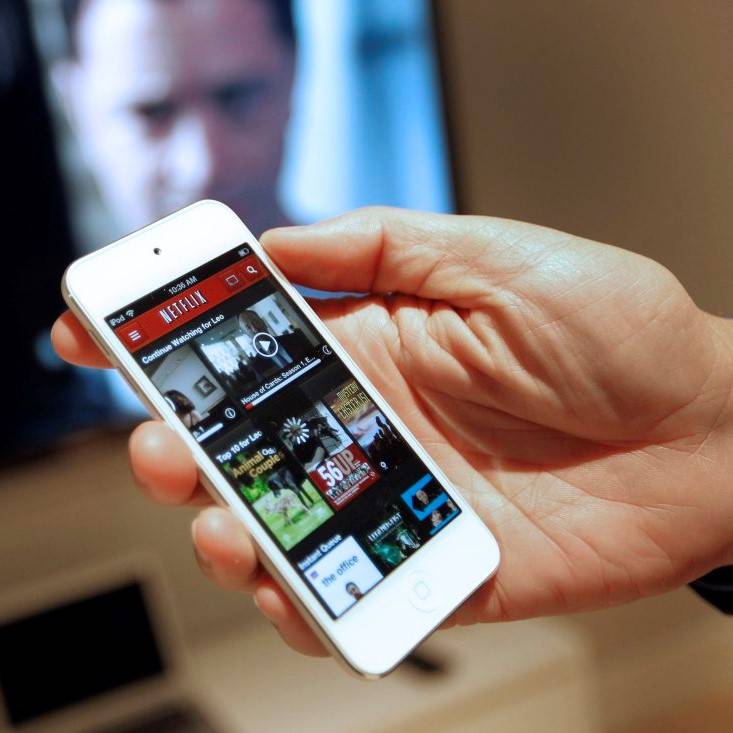
 A majority (84 percent) of British employees use their smartphones at work, with 78 percent regularly responding to text messages during working hours and on average spending as many as 120 hours per year using their smartphones during the working day claims new research. The data, compiled by LaptopsDirect.co.uk, also found that 59 percent regularly take personal phone calls whilst working; 52 percent admit to answering instant messages via platforms such as Whatsapp and Facebook, and 9 percent have sent a Snapchat from their workplace. Employers are not completely against the use of smartphones, though under half (44 percent) permit the reasonable use of smartphones, according to the research; but 14 percent of respondents admit to having been told off for using smartphones at work, and 4 percent have been disciplined for use of their own tech during work time. Of most concern for employers is the fact that more than a third (38 percent) of respondents regularly check their social media accounts while at work.