







October 12, 2018
Search Results for: office design
October 5, 2018
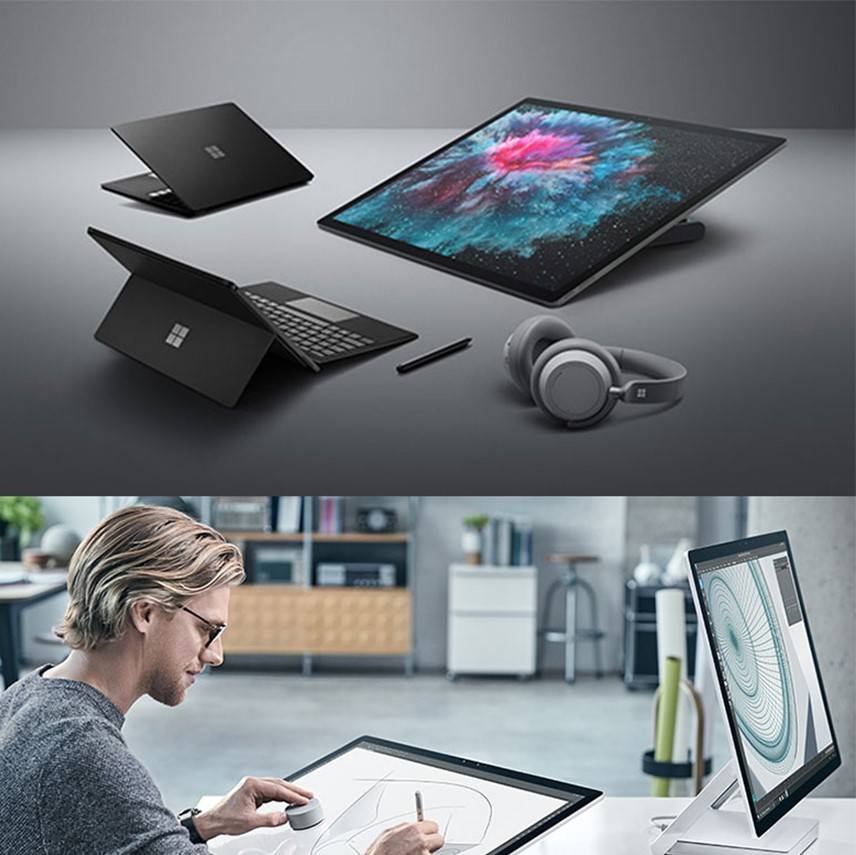
Microsoft unveils new Surface devices, headphones, and software updates
Microsoft expanded its Surface family of devices with Surface Headphones, Surface Laptop 2, Surface Studio 2 and Surface Pro 6, designed to offer more performance and productivity enabling people to achieve more. The devices seamlessly fade into the background, empowering people to work without interruptions to their creative flow, whenever and wherever inspirations strikes.
October 2, 2018
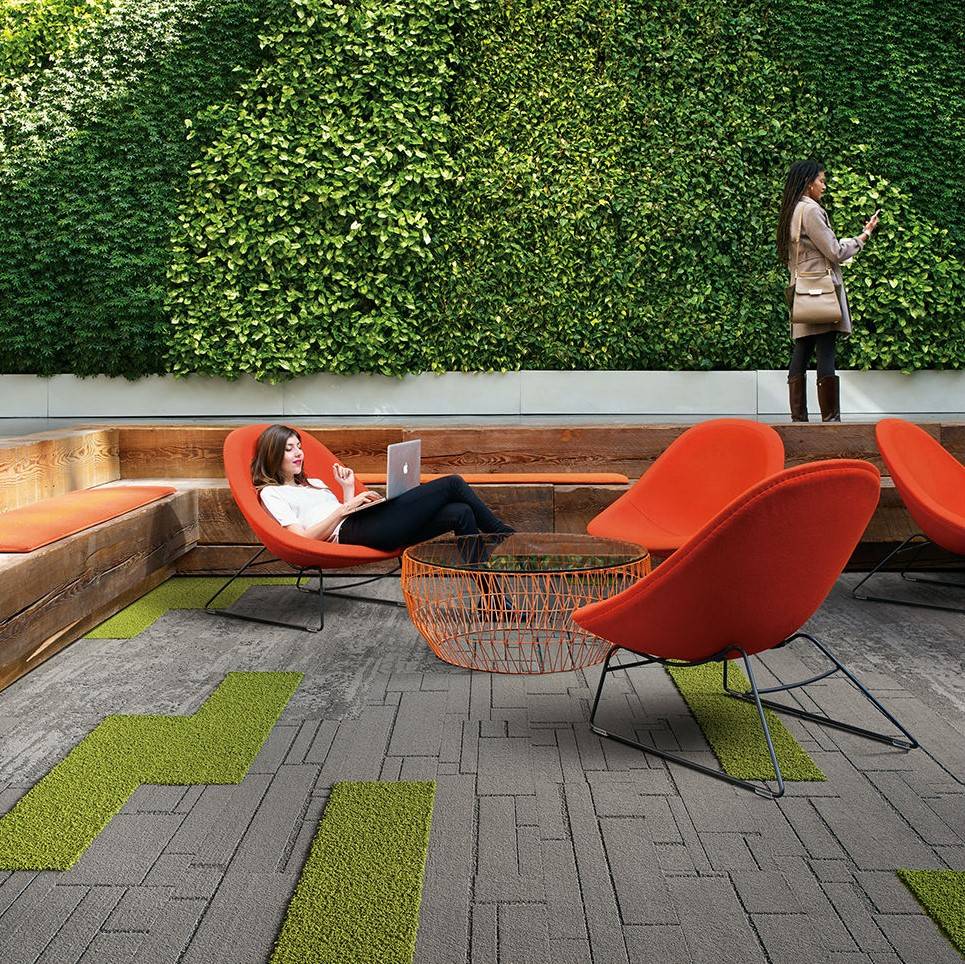
How to measure the impact of biophilia on individual performance
The improvement in well-being and performance in the workplace are economic and social critical factors since the loss of productivity for companies means a cost of up to US$ 550,000 million per year. Numerous studies affirm that biophilic design, defined as a response to the inherent need of human beings to be in contact with nature, in the workplace improves productivity and user well-being. As Lord Kelvin said, if you cannot measure it, you cannot improve it, so the challenge that arises is how to objectify and quantify rigorously the features that improve productivity and wellbeing in spaces designed with biophilia in mind. From this, it is necessary to go a step further and objectify the design criteria serving as an operator for performance and wellbeing in design practice.
September 27, 2018
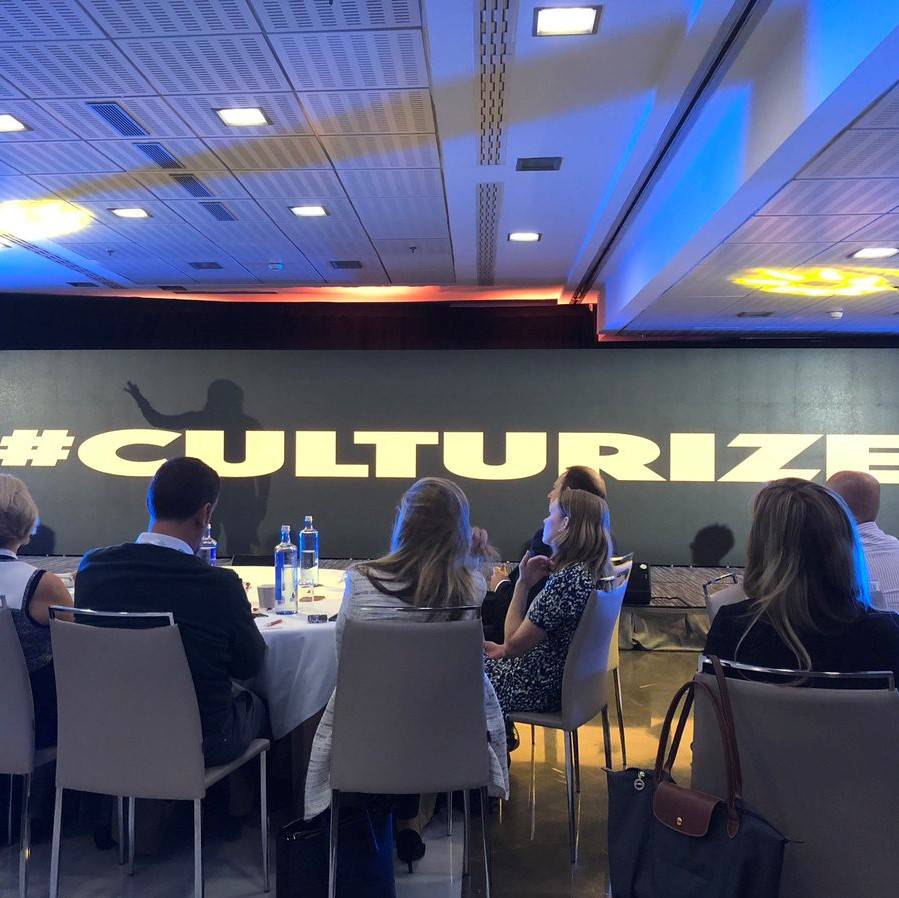
A changing world with inbuilt human obsolescence defines first day of CoreNet Global
The forces that are changing the world, from AI and the current digital and technological transformation, to the short and long-term implications of Brexit, provided many of the key lessons during the first day of the CoreNet Global Summit in Madrid.
September 26, 2018
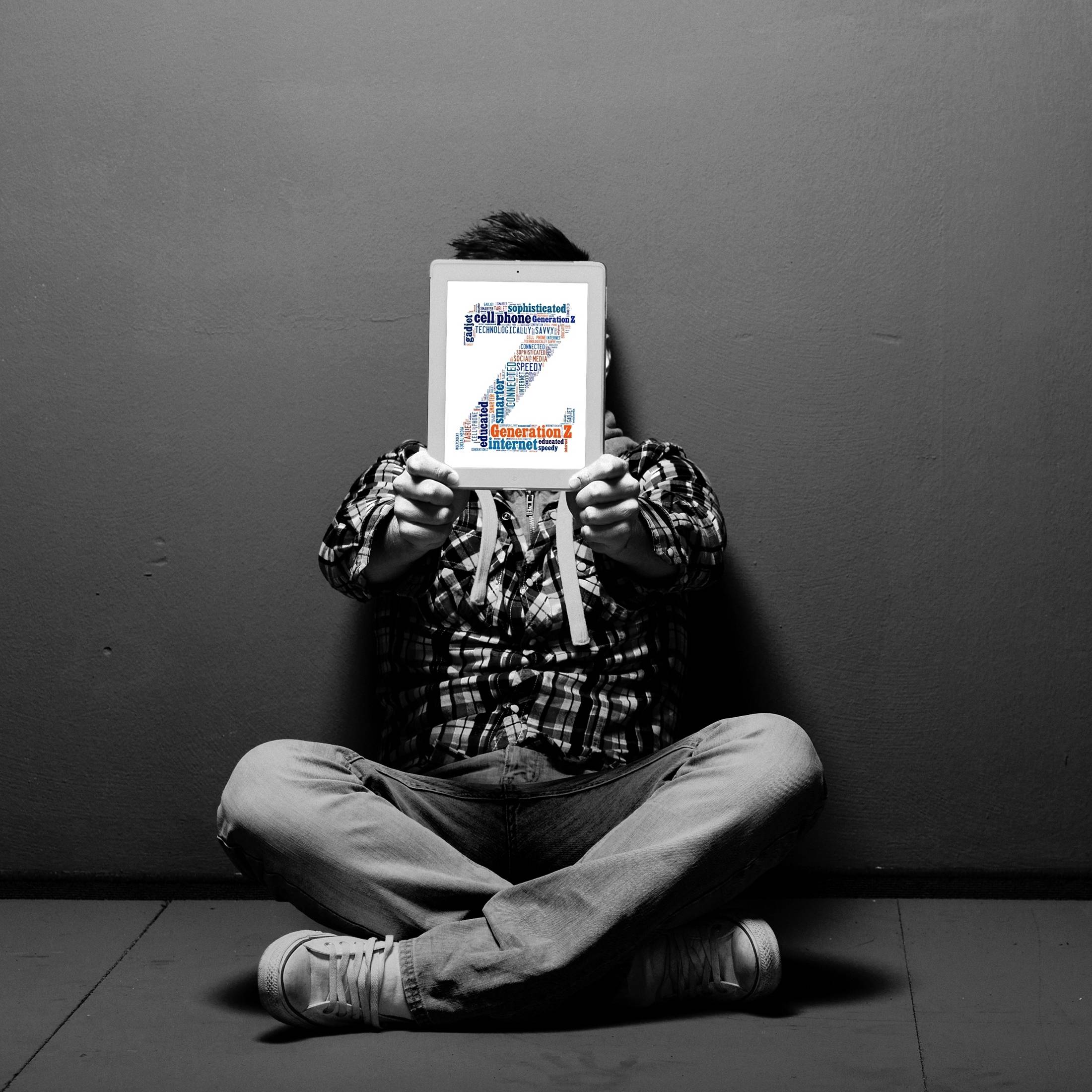
Sociable Gen Z prefer to work in a communal workplace rather than home
 Generation Z, the latest generation of workers to enter the workplace (aged 18-24) are social creatures a new report suggests, preferring to work in an office environment, with only 8 percent thinking they work best from home compared to 20 percent nationally. However, putting aside the assumption this is because they’re sharing a cramped flat or living with parents, even within the office environment, the vast majority (81 percent) think social and communal areas are important workplace facilities compared with only 64 percent of all employees and 58 percent of Baby Boomers. (more…)

September 23, 2018
The failure of flexible working + Bridging the workplace gap + The uncomfortable truth about sitting
In this week’s Newsletter; how half of all our tasks will be performed by AI sooner than you might think; LinkedIn’s new London offices; the great failure of flexible working; Steelcase’s latest acquisition; Europe’s first building to achieve the WELL Platinum standard; Jonathan Hindle on improving workplace interactions; Jim Ware on finding the right place to meet; and Chris Kane on how to bridge the gap between people and places in a modern context. You can also download our most recent briefings on key topics, produced in partnership with Boss Design and BW Workplace Experts; visit our events page curated by Herman Miller, follow us on Twitter and join our LinkedIn Group to discuss these and other stories.
September 19, 2018
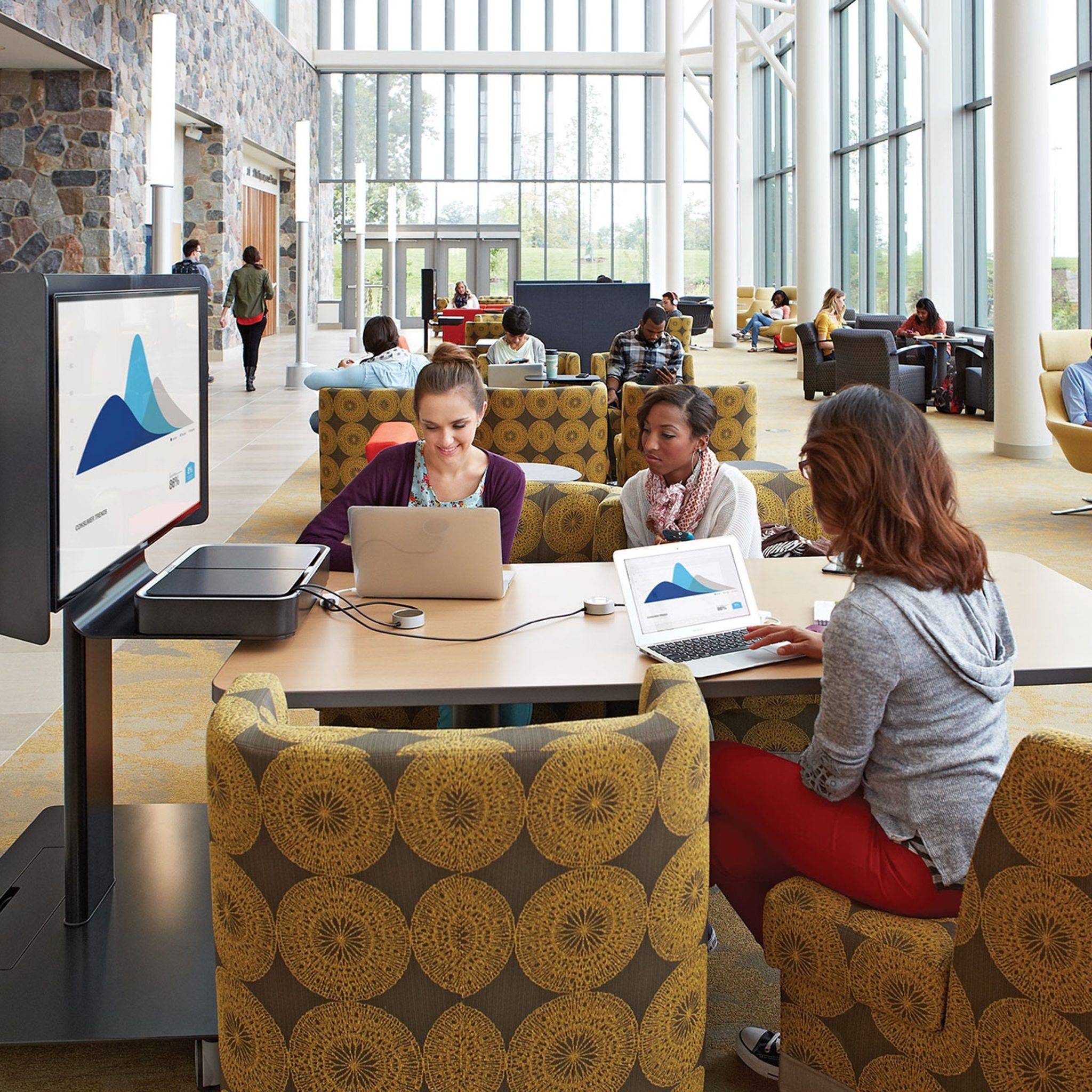
The main challenge of modern working life: finding the place just right to meet 0
Every physical setting sends distinct signals to meeting participants – signals that set the tone and provide a context for the conversation, even when they are subtle or not in anyone’s conscious awareness. You understand instinctively that the place where a meeting occurs has an impact on the nature of the conversation. Just imagine the difference between a conversation around a large formal conference table with expensive executive chairs and one that takes place in an informal employee lounge, with the participants seated in a circle on soft bean-bag chairs. (more…)
September 18, 2018
Half of all workplace tasks will be performed by machines within seven years
The world is going through a workplace revolution that will bring a seismic shift in the way humans work alongside machines and algorithms, according to new research by the World Economic Forum. By 2025 more than half of all current workplace tasks will be performed by machines as opposed to 29 percent today. Such a transformation will have a profound effect on the global labour force, however in terms of overall numbers of new jobs the outlook is positive, with 133 million new jobs expected to be created by 2022 compared to 75 million that will be displaced. The research, published in The Future of Jobs 2018, is an attempt to understand the potential of new technologies to disrupt and create jobs. It is also seeks to provide guidance on how to improve the quality and productivity of the current work being done by humans and how to prepare people for emerging roles.

September 18, 2018
Employees often too busy keeping up with workloads to innovate
The majority of workers say their workplace regularly asks them to innovate, but a full 65 percent say they’re so swamped with day-to-day work that they don’t have time to think about the future, a new report by Workfront claims. Yet their work remains important to employees, as over half (57 percent) says what they do matters to them personally. The report also found that UK workers rate their own contributions higher than those of their colleagues. On average, most workers scored their productivity at 7.84/10, compared with 7.05 for co-workers and 6.28 for company leadership. Most do believe though that automation will boost personal productivity, as seventy-seven percent thought that the rise of automation will help people and teams think of work in new and innovative ways. There are concerns too regarding too many time wasting activities, with staff spending only 39 per cent of their workday on their primary tasks. Emails and pointless meetings topped the list of things that keep knowledge workers from getting work done.
September 18, 2018
LinkedIn confirms deal for new London headquarters
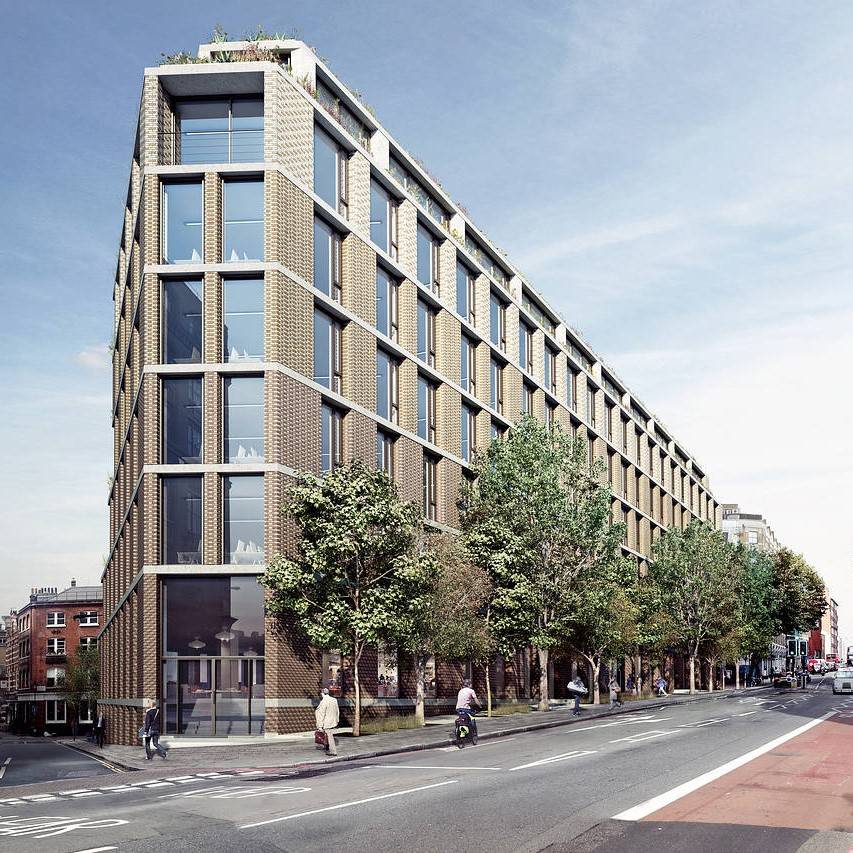
Tech giantLinkedIn has sealed a deal for its new London headquarters, pre-letting the entirety of a building in North East London that was once home to The Guardian newspaper. LinkedIn has taken 83,000 square feet at The Ray Farringdon, at 119 Farringdon Road, according to a statement from Viridis Real Estate Services, which is redeveloping the property.
September 13, 2018
You should not expect the coworking bubble to burst anytime soon
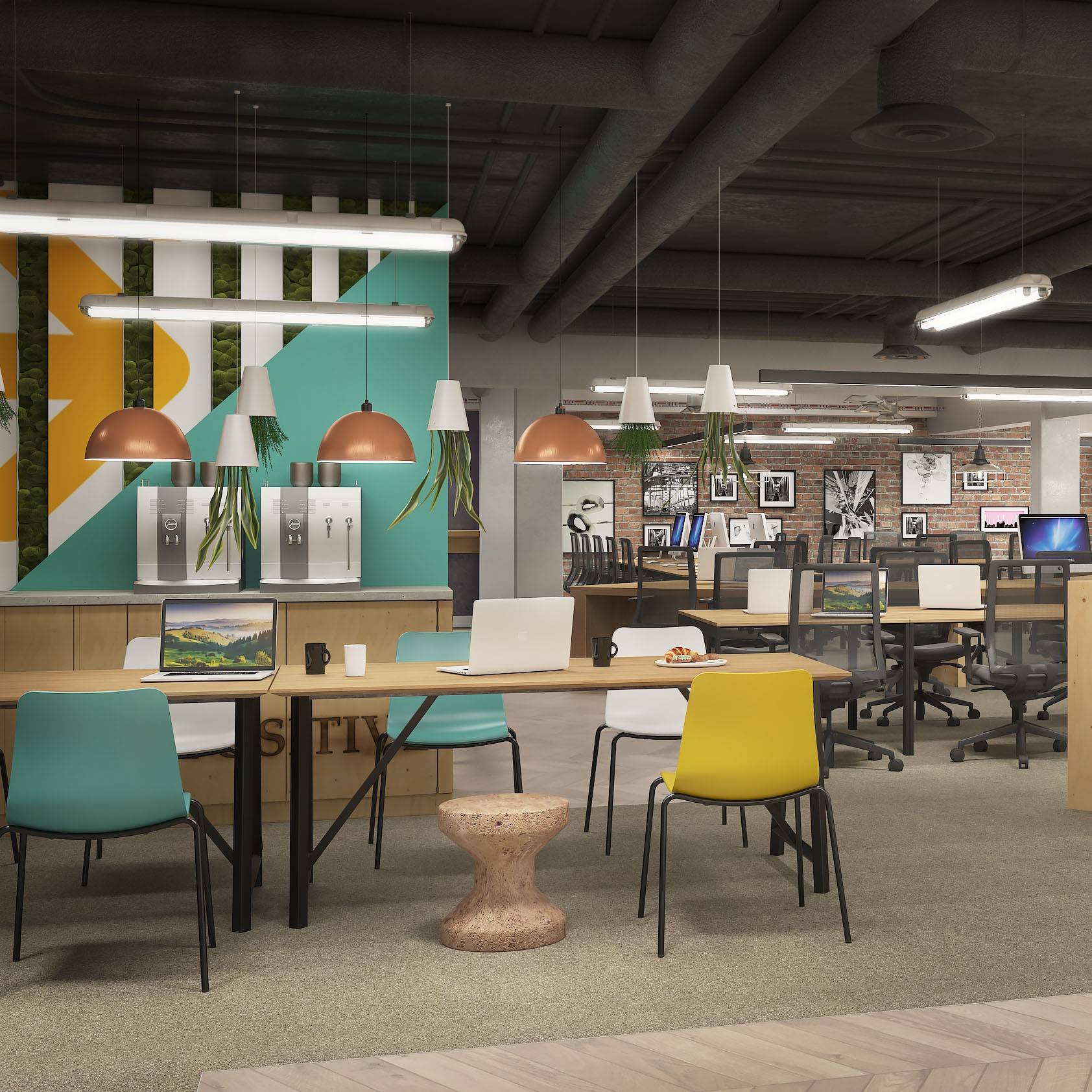
Coworking is not the norm yet, but it is headed that direction. In fact, a sign of its success is the fact that it has moved from being labelled a fad to asking if it is a bubble about to burst. Here’s a short answer: it is not going to go pop, fizzle out or run out of steam anytime soon. Why would it? Coworking is not something driven by real estate and developers. It reflects how our society is changing.









September 18, 2018
Building a culture of creativity that unites the physical and digital workplace
by Serena Borghero • Comment, Technology, Workplace design
(more…)