







June 14, 2021
Hybrid working will impact younger people in very specific ways
 When considering a hybrid working method for your organisation, it’s far too easy to try think of what will work for all employees as a whole, rather than breaking this down and thinking about the different needs from certain groups of people. One example of this is age and experience. Employees from different age groups and at different levels of experience within in an organisation may have very different needs when it comes to hybrid working. Those who have been with the business, or in a similar work environment, for some time may be perfectly comfortable to work from home the majority of the week, with little help or supervision. However, this probably isn’t going to work as well for younger employees with less experience. (more…)

 New research by
 Workers are much more likely to challenge unethical behaviour in their organisation if their manager is seen as an ethical leader, according to new research from
 Half of workers in the UK (50 percent) say their employers have provided support for their mental health during the COVID-19 pandemic, while two-thirds of employees globally reported the same (65 percent). This may illustrate a growing awareness and concern from businesses about the potential psychological impact on staff, according to a new study
 Employees feel they need to go back into the office in order to be promoted according to new research conducted within the “Reinventing Work” chair at
 HR leaders, heads of real estate and IT decision-makers have not always spent huge amounts of time working together – their roles and responsibilities have often been siloed. But in the new world of work, that’s all changing. These three groups of senior leaders are being asked to collaborate on one of the biggest challenges corporate occupiers, as they try to figure out when and how to return to office-based working and shape the future of work. Failure to collaborate will increase the probability of workplaces having low occupancy rates, low employee engagement and decreased productivity.


 The COVID-19 pandemic has led to a surge in digital learning with seven in ten organisations (70 percent) reporting an increase in use of digital or online solutions over the last year, according to the latest Learning and Skills at Work report from the
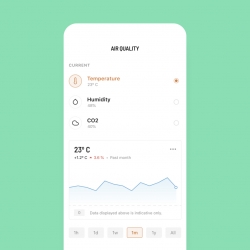 Spaceflow, a tenant experience operating system and Flowbox, an in-building advanced technology management company, announce their partnership. Through their common product offering, Flowbox and Spaceflow help landlords and building operators with their ESG (Environmental, Social and Governance) goals. With FLOW, real estate companies can monitor energy consumption, occupancy, air quality, temperature, CO2 levels, humidity and in later phases, control and automate their building hardware in one platform. Real-time data helps owners and managers optimize operations, streamline the use of energy sources, reduce operating costs and be guided through investment decisions.
 New research from
 Central to any business is the need to communicate effectively. Whether you’re relocating to new or refurbished premises, or switching providers, it is vital to ensure your communications networks are up to the job in terms of performance and reliability. Not only is this required to support conventional telecoms and OTT services, it is key to smart building and smart infrastructure applications. Connectivity should not be limited to Wi-Fi either. Businesses are increasingly pushing mobile-only strategies and landlines are fast becoming obsolete in the workplace.








June 14, 2021
Never mind the agile workplace, here is something you already know
by Mark Eltringham • Comment, Workplace design
(more…)