November 16, 2018
Biophilic design the key to improving mental health, productivity and stress levels
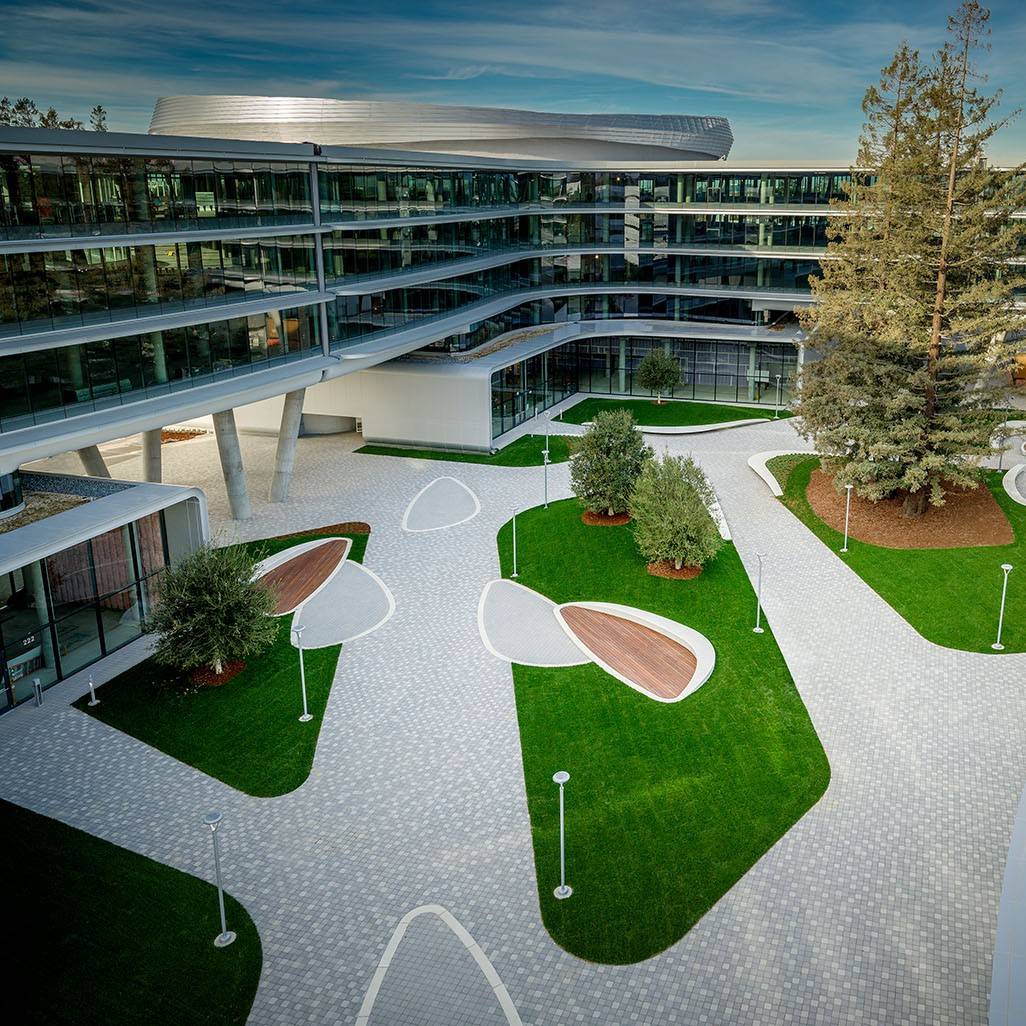 An expert panel at this week’s Welcome to the Biophilic Concrete Jungle event in London made the case for incorporating the principles of biophilic design into the workplace, including for health and wellbeing considerations, the promotion of productivity and to address workplace stress and urban disconnection from nature. HOK organised the event. Panellists included Joyce Chan, Head of Sustainability and Trina Marshall, Regional Leader of Consulting from HOK, Professor Derek Clements-Croome from Reading University, Alexander Bond from Biophilic Design and Dr Ed Suttie from BRE.

 Although the majority of business leaders rate their business as efficient, nearly a third of respondents to a recent survey waste up to 65 working days per year on administrative tasks, with over half wasting the equivalent of a working month. Priority Software’s Business Process Efficiency Index 2018 suggests business leaders are struggling to take charge of company productivity; and while senior decision-makers expressed the desire to spend more time planning for the future of their businesses, they said too much time is currently occupied by administrative tasks.
 In spite of all the evidence and their own experiences, over half (55 percent) of office workers believe access to the latest workplace technology would make them more productive; 43 percent said this would make them feel more valued, while 38 percent said it would motivate them to work harder. This is according to research for the report, The Hidden Value of Workplace Technology, conducted on behalf of Econocom by survey consultant Censuswide. The research found that workplace tech is important not just for companies looking to retain existing staff, but also to recruit new members.


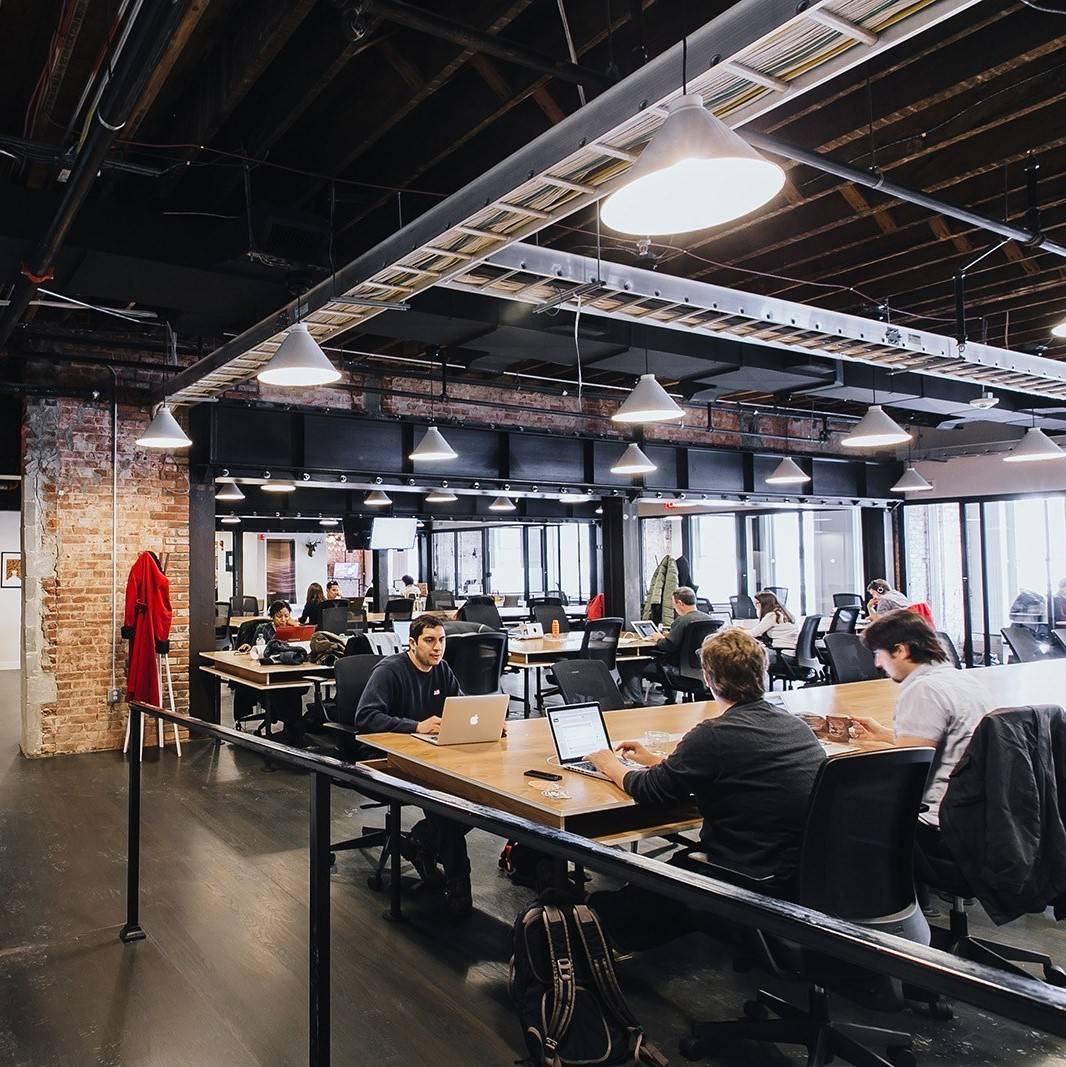
 Employers need to recognise the workplace as integral to delivering a business’ commercial strategy, and treat employees as ‘workplace consumers’ – creating ‘frictionless’ experiences and environments that help them perform to their best ability. This is according to a report: ‘Optimising performance: defining, designing, maintaining and evolving workplace experiences’ from Interserve, undertaken in partnership with Advanced Workplace Associates (AWA). The two-year study into the science behind effective working environments argues there is a need to radically re-envisage workplaces to optimise team productivity and maximise the value of physical working environments. It sets out a series of critical steps for knowledge-based businesses to revolutionise the workplace – and thereby aid employee performance. The report argues that traditional silos, from IT and HR to facilities, need to be broken down to integrate the management of the workplace as part of a ‘one-team’ approach; doing so will ensure companies can deliver a streamlined workplace experience which supports employee productivity.



 Eight in ten workers use their personal smartphones for work purposes to make their jobs easier as almost half report wasting 10 minutes per hour in their working day due to their employers’ ineffective technology. According to the