








December 11, 2018
Generations differ on what makes them happy at work but agree on flexibility
 A new survey into happiness at work suggests it is viewed differently according to age. Baby boomers: aspire to have job security and think careers are defined by employers. Gen X: aspire to have a work-life balance and although are loyal to a profession will not necessarily stick with the same employer. Millennials or Gen Y aspire to have freedom and flexibility and are digital entrepreneurs while Gen Z aspire to have security and stability. The report by Instant Offices’ considered what is important to each age group, and how employers approach the age gap. It found that eight in 10 millennials look for a manager to act as a mentor or coach; Baby boomers want a boss to be ethical, fair and consistent, while 61 percent of Generation X, and 55 percent of millennials, think team consensus is important. (more…)


 IT analyst Gartner has forecasted that by 2022 cloud will make up almost a third of IT spending, but only a quarter of SMEs are properly prepared for it, claims a new study. The Missed Middle study, commissioned by Crown Workspace, found that three quarters of UK SMEs are failing to embrace workplace technologies such as cloud, mobile working and digital devices. This could impact their business agility, security and financial efficiency. Cost is the most common barrier preventing SMEs from creating the optimum workspace that features modern technology. For instance voice technology has seen huge adoption over the past few years, however less than one in five respondents are ready for it in the workplace.



 The gig economy has helped lead to the doubling in size of the flexible office space sector since 2014 and it’s set to grow by up to 30 percent per year over the next five years claims new research published by JLL. Disruption or Distraction, a report delving into the growth of flexible office space across Europe explores the main drivers of the sector’s boom – including evolutionary changes in how, when and where people work, shifts in lifestyle, and rapid advancements in technology – and provides unique insights into the risks and rewards for both companies and real estate investors in Europe.










January 4, 2019
Why new technology can still make employees happier, healthier and more efficient
by Elaine Rossall • AI, Comment, Flexible working, Lighting, Technology, Wellbeing
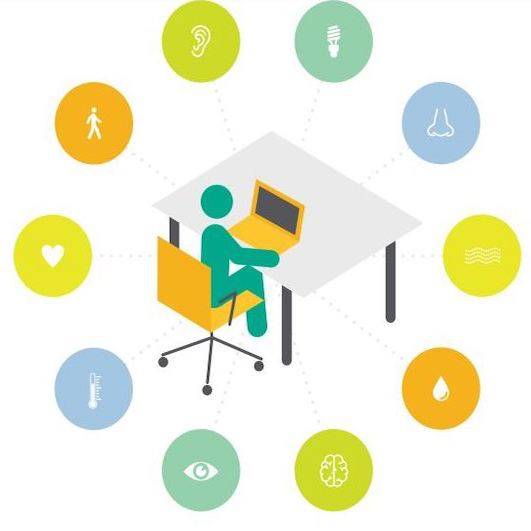
For many years, we became used to new technology being treated with excitement. Essentially, people thought technology made their lives better. More recently this consensus has been tested. On a very practical level, there is growing concern about the impact of everyday technology. ‘Screen-time’ has become a byword for anxiety and disengagement from the real world. Meanwhile, there is trepidation about the impact of future technology, such as the automation of jobs. Whilst caution is needed, there is a danger that we are forgetting the many benefits technology can bring. As an example, look to the workplace. Already, offices are gaining hugely from technology that benefits employee wellness and productivity. However, we have only just begun to feel its impact. A ‘fast’ office may sound like an oxymoron. A building isn’t going to win a 100-metre race. Yet fast offices, which allow employees to control their immediate environment, are becoming increasingly common.
(more…)