August 8, 2018
Over a third of workers are anxious about the impact of automation
 A significant number (37 per cent) of workers (11 million people) in the UK worry their job will change for the worse and 23 per cent (7 million people) are concerned that their current job may no longer be needed, claims a survey into the impact of automation over the next decade. In the survey, carried out to mark the launch of a new Commission on Workers and Technology chaired by Yvette Cooper MP, workers were 73 per cent confident they can adapt to technological change and update their skill if automation affects their job and over half think (53 per cent) are optimistic that technology change will be good for their working lives. (more…)

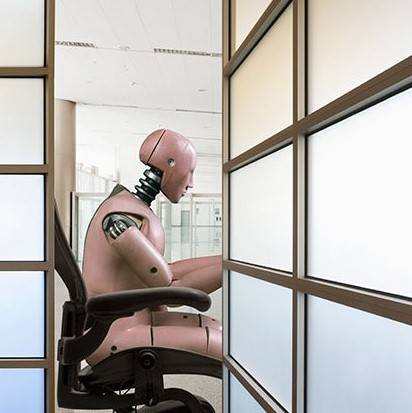
 Fears of robots taking workers’ jobs appear to have lessened over the last year, a new report has suggested. Research from Perkbox and SEMrush examined fears of robots at work according to online searches from January 2015 to June 2018 in the UK and found that in just one year, from 2015 to 2016 the phrase ‘will robots take my job?’ increased from zero to 1,600 average monthly searches. In 2017, the phrase was searched 197,800 times/monthly on average. In 2018 so far, the average has dropped but it remains relatively high regardless (57,833 searches). According to online searches with keyword ‘robots’ and ‘work,’ people are gradually becoming more concerned about what jobs robots will replace first. The phrase ‘what jobs will be replaced by robots? was rarely searched in 2015. However, in 2016-17 the number rose from 200 searches/monthly on average (2016) to 2,400 on average in 2017 (a 1,100 percent increase).


 Employers need to recognise the workplace as integral to delivering a business’ commercial strategy, and treat employees as ‘workplace consumers’ – creating ‘frictionless’ experiences and environments that help them perform to their best ability. This is according to a report: ‘Optimising performance: defining, designing, maintaining and evolving workplace experiences’ from Interserve, undertaken in partnership with Advanced Workplace Associates (AWA). The two-year study into the science behind effective working environments argues there is a need to radically re-envisage workplaces to optimise team productivity and maximise the value of physical working environments. It sets out a series of critical steps for knowledge-based businesses to revolutionise the workplace – and thereby aid employee performance. The report argues that traditional silos, from IT and HR to facilities, need to be broken down to integrate the management of the workplace as part of a ‘one-team’ approach; doing so will ensure companies can deliver a streamlined workplace experience which supports employee productivity.