





April 10, 2022
Facilities Managers should be seen as stewards of corporate culture
 The pandemic has irrevocably changed the way we work. Once considered a place simply to do business, the office is fast becoming a ‘lifestyle choice’ among young people who value more than just a desk. Instead, they want an engaging, healthy, and resilient working environment where they can socialise, make friends, and build connections to help their career and wellbeing thrive. In fact, an EY study found that 90 percent of Generation-Z value the human connection in the workplace above salary when it comes to their at-work communication. A recent Gallup survey even found a tangible link between having a best friend at work and productivity: those who have a best friend in the office are twice as likely to be engaged in their role and company. (more…)
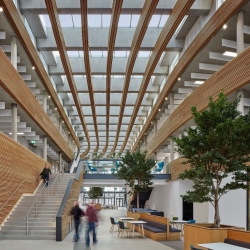 Pressing the ‘reset’ button is never easy. But I’m a firm believer that, once we do, we become much less averse than we perhaps expected to the change it inevitably brings. This is particularly true of the past eighteen months. From all of the sadness and hardship endured, we are beginning to emerge into a new, changed way of living. One that is both familiar and altogether different. The dichotomy is particularly evident in our workplaces. For many sections of the economy, the office was the ecosystem of our daily working lives. Initial questions of whether the office would survive quickly fell by the wayside, and a more interesting, nuanced, debate of what we want the office to be began.

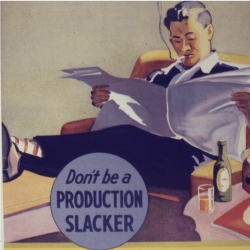 Has working at home during lockdown made people
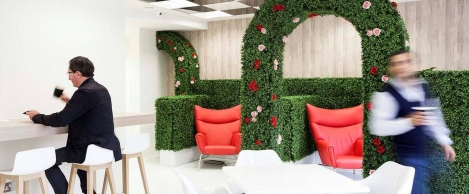
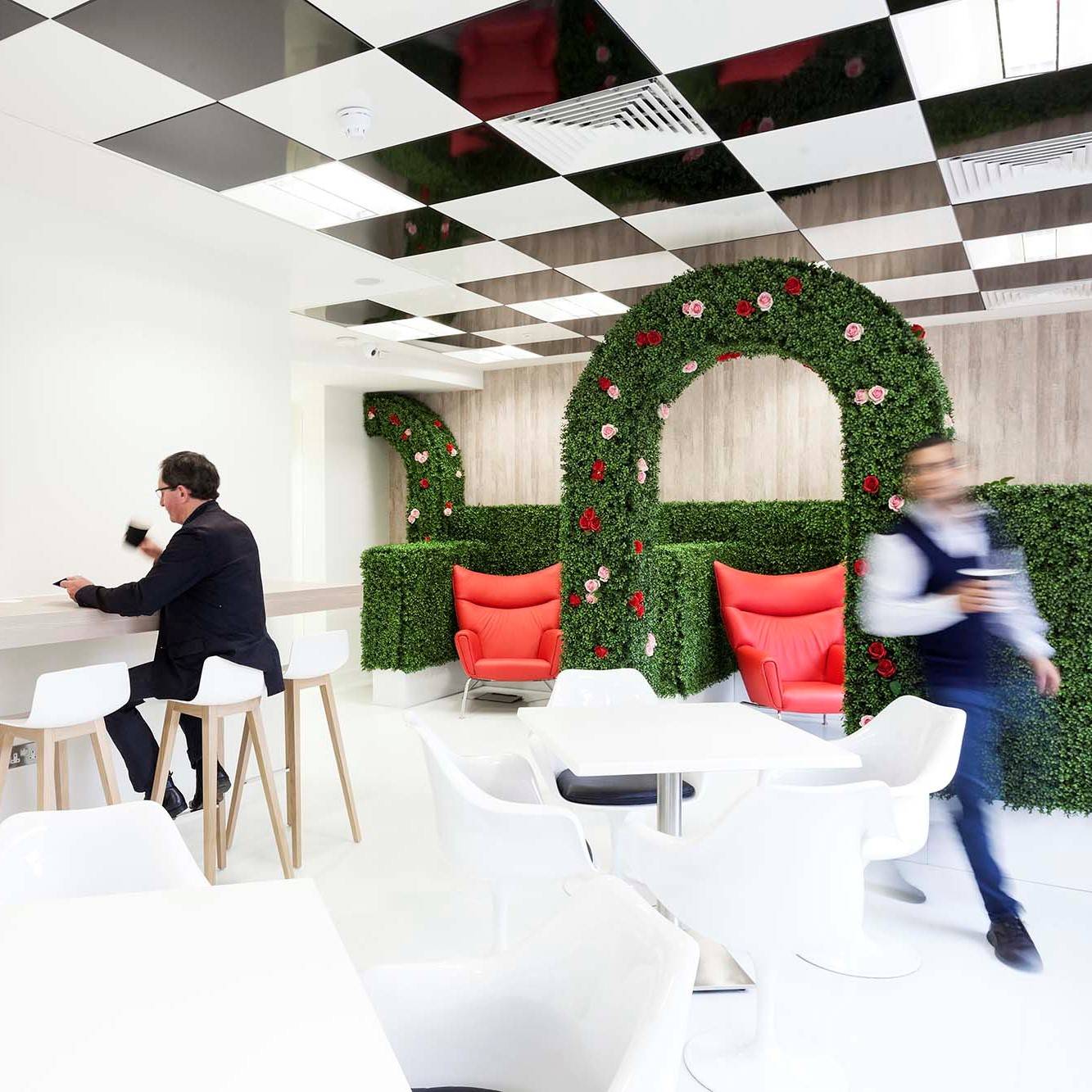



 The UK’s ‘alternative workers’, comprising gig economy workers, freelancers and contractors, have cited lack of pay, benefits and job security as their most significant concerns in new research. Yet according to


 UK employees have the longest working week compared to other workers








June 24, 2025
The Kafka trap of return to office arguments
by Mark Eltringham • Comment, Flexible working