






November 8, 2017
Deus ex machina; what will the coming era of automation and robotics mean for the workplace?
The only two things we know for certain about the era of robotics and automation in the workplace are that it will be with us far sooner than many of us expect, and its implications will be far reaching and unlike those most routinely anticipated. However, a clear picture is beginning to emerge about its implications for workplace designers and managers as well as property owners and workers themselves. On 23 November at an event hosted by Vitra in London, a panel of workplace and technology experts including Neil Usher, Kerstin Sailer and Mark Eltringham will present the most up to date thinking on the subject, challenge preconceptions and myths and illuminate a world that is just around the corner. If you’re interested in attending please email rsvp_uk@vitra.com. Full details below.

 The future workplace will replace familiar, rigid hierarchies and departments with small, collaborative networks of teams and the lines between individual organisations and ecosystems will blur as companies increasingly cast their net wider to innovate. This is one of the predictions made in a Fujitsu-commissioned whitepaper ‘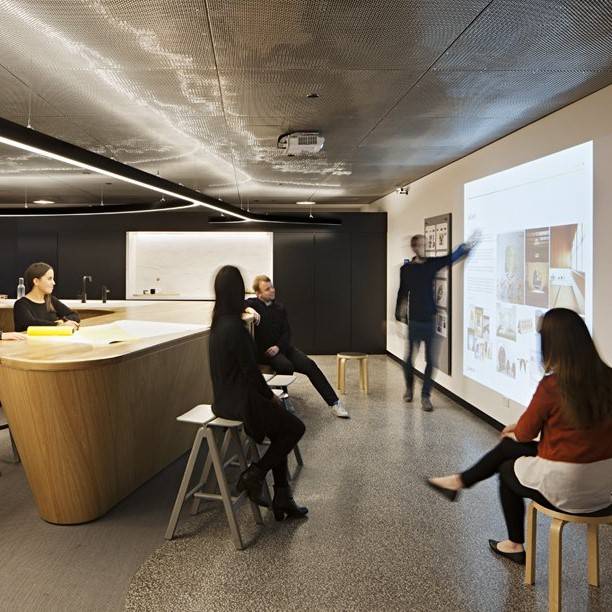











November 9, 2017
Review: ushering in a new era for the coworking phenomenon 0
by Paul Carder • Comment, Coworking, Technology, Work&Place, Workplace design
Ramon Suarez has produced a very practical book, based on his own experience as one of the pioneers of coworking. And let’s be clear – it is coworking (not “co-working”; there is no hyphen), as Suarez explains, “a coworker (a member of a coworking space) is not the same as a co-worker (somebody who happens to work for the same company or in your same office)”. On his business card, Suarez describes his role as “Serendipity Accelerator”- you will understand that if you read the book. Suarez differentiates coworking from its many (and mostly false) aliases. Shared offices may be collaborative, but do not provide the network of people found in a good coworking space. Networked offices, where more than one company shares space and may collaborate, “come close” to coworking. Hacker & Maker spaces, Accelerators, Incubators and Cafes are similarly differentiated.
(more…)