






September 16, 2016
Study suggests one in three people feel like nodding off in afternoon meetings 0
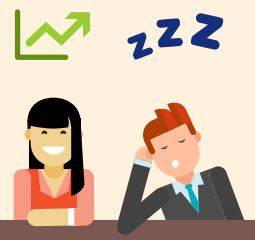 The afternoon drop in productivity and alertness is a well-known phenomenon, according to a recent survey from Hilton, with 44 percent of respondents worldwide confirming they feel less productive between 2 and 4 pm. The global survey of attitudes and behaviours by Hilton claims to uncover the habits of British, German and US meeting attendees, suggesting that over one in three (34 percent) admitted to feeling drowsy or actually falling asleep during meetings after lunch while half of British respondents admit that they spend time doing trivial things on their phones. Key reasons for the afternoon slump for Brits correlate with meetings that fail to provide food and refreshments or adequate breaks that allow them to be active. Supporting this, Hilton’s international survey claims that most meeting attendees consider themselves active and healthy in their daily lives but more than half don’t maintain this routine when on the road for meetings.
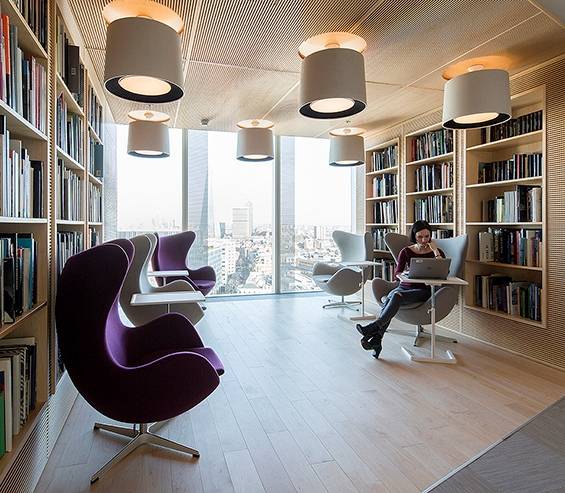





 When former Google employee Marissa Mayer joined Yahoo as its CEO in 2012, she inherited the company’s vast problems. Though it was once seen as one of the first tech behemoths, Yahoo’s inability to come up with ground breaking products like Google and others, put it in a slow, steady decline. Mayer was immediately tasked with trying to reinvigorate the stagnating company. Her focus was to find a way to identify and retain talent, while phasing out ineffective employees. However, Yahoo’s new management policies have brought about much debate and criticism from HR experts. A controversial book by journalist Nicholas Carlson titled “Marissa Mayer and the Fight to Save Yahoo!” paints a highly critical view of Mayer’s first years as CEO. In response others have defended her, arguing that she has done the best she can with the resources available, but has become a scapegoat for poor management, like so many other women in powerful positions.
 A new report from Allied Market Research claims that the worldwide market for Building Information Modelling will grow by over a fifth to hit $11.7 billion by 2022, driven primarily by legislation demanding that all construction work should apply BIM. The
 Much has already been written about the UK’s digital skills gap, and undoubtedly as the Government continues to develop and roll out its Digital Strategy for the nation, many more headlines will be devoted to it. For a country so focused on technological development it’s a problem which is both acute and imperative. Recent Government figures put 12.6 million Britons at risk of being left behind in terms of the skills needed for a modern economy. Parliamentary plans to address this issue focus firmly on education: including digital development as a key part of apprenticeships, encouraging vocational digital skills courses at universities, and broadening access to other educational courses to help people to learn to code. However, responsibility to upskill the nation’s workforce also resides with employers. Whether the current role demands IT skills or not, technology increasingly impacts and transforms every element of our lives.
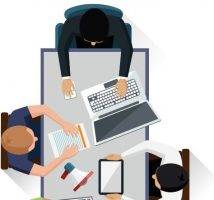 Badly run and overrunning meetings remain amongst the main sources of workplace conflict and unhappiness, according to a study of 1,000 US employees from workplace software provider








September 3, 2016
Electrosensitivity and the question of whether WiFi may be making us ill 0
by Mike James • Comment, Technology, Wellbeing
(more…)