








July 5, 2018
Over a third of staff say employers fail to invest in next-generation workplace technology
 The majority of employees are disappointed with their company’s lack of investment in technology, and despite the fact three quarters (76 percent) want to request flexible working – almost half still don’t have the option of working more flexibly, a new report from a technology company claims. According to the survey by technology company Ingram Micro Cloud UK, in collaboration with technology company Microsoft, despite the fact that Millennials and Centennials are often thought to be the driving force behind changing workplace practices – and are often derided in popular discourse for having unreasonable and unrealistic expectations – the calls for change are coming from all segments of the workforce. However, 85 percent of Millennials admit to procuring their own workplace technologies such as instant messaging, Skype, file hosting and sharing tools (all available from Ingram Micro Cloud) that aren’t supported or provided by their employer, which raises major security issues, acco.


 The way to measure an employer’s speed of innovation includes how they find talent, their appraisal process, how employees recommend the organisation they work for to others, and how much employees collaborate, claims a new European study by Cornerstone OnDemand and IDC. “Future Culture: Building a Culture of Innovation in the Age of Digital Transformation” explores the relationship between European organisations’ speed of innovation and talent management, with the research showing that firms with a steady stream of new products and services are more likely to have an ongoing feedback process with employees, rather than an annual performance review, while organisations with a slower rate of innovation often use coaching and mentoring to develop employees.





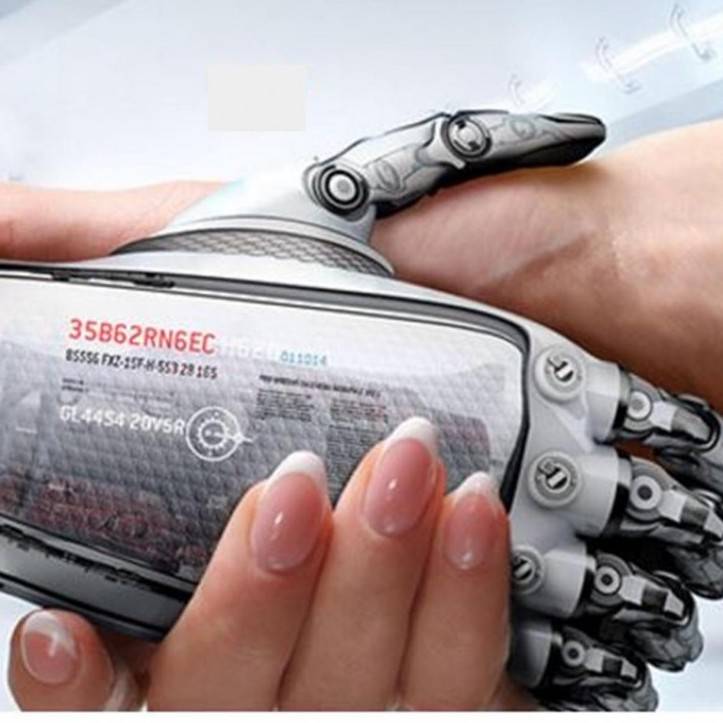
 Companies will need more, not less people, in the near-term to meet the demand stimulated by automation, claims a new report from ManpowerGroup. The report – Robots Need Not Apply: Human Solutions in the Skills, found that 91 percent of employers in the US will maintain or increase headcount in the next two to three years as industries shift to more advanced, automated processes. The report provides a real-time view of the impact of automation on headcount, the functions most affected and the soft skills that are both of greatest value and hardest to find. Frontline and Customer-Facing functions anticipate the most growth as organisations place higher value on customer service and human interaction. Manufacturing and Production functions are close behind. Back-office functions that are routine or add less value to customer interactions are under greatest threat as organisations implement new technology to drive efficiency. In this Skills Revolution the best blend of high-tech and high-touch will be the combination of human strengths with technical and digital know-how: 61 percent of companies say communication skills, written and verbal, are their most valued soft skill followed by customer service, collaboration and problem-solving.
 Users of co-working and flexible space rapidly growing in numbers, according to a report, Marketplace for flexible work, from research conducted by (flexible workspace provider) The Instant Group and architects HLW. The report claims to ‘analyse’ the coworking and flexible workspace sector to gather a ‘360-degree perspective’ of the industry to determine where ‘perspectives align and diverge among stakeholders’. The research also claims that location and the ability to assign or reassign employees to workspace on short notice were also important influencers when choosing flexible workspace over conventional office space. Looking forward, the research claims that more than half of the companies interviewed envisage spending less time working from a traditional company office space.
 Organisations are failing to get the basics right when it comes to providing the digital and virtual systems that support employees in their roles, despite an evolving technological landscape and rise in flexible working, a new report has claimed. Data released by Leesman analyses how organisations can better support employees by offering the technology tools and infrastructure that enable people to work in a flexible way. In Deloitte’s 2018 Tech Trends report issued at the beginning of 2018, there was a heightened focus on how disruptive technologies will help businesses achieve larger strategic and operational goals and drive greater value. It predicted that within the next two years, more companies will embrace the emerging ‘no-collar workforce’ trend by redesigning jobs and reimagining how work gets done in a hybrid human-and-machine environment. However, Leesman’s findings show that, as of yet, organisations are failing to get the digital basics right. According to its latest dataset (Q1 2018) 23 percent do not agree that they have the technology tools and infrastructure that enable them to work in different locations across the office or from different locations outside of the office.








June 4, 2018
Your happiness at work is not just down to your employer
by Cary Cooper and Ivan Robertson • Comment, Wellbeing, Workplace design
(more…)