







June 7, 2018
Over half of employees say remote working and coworking increase their productivity
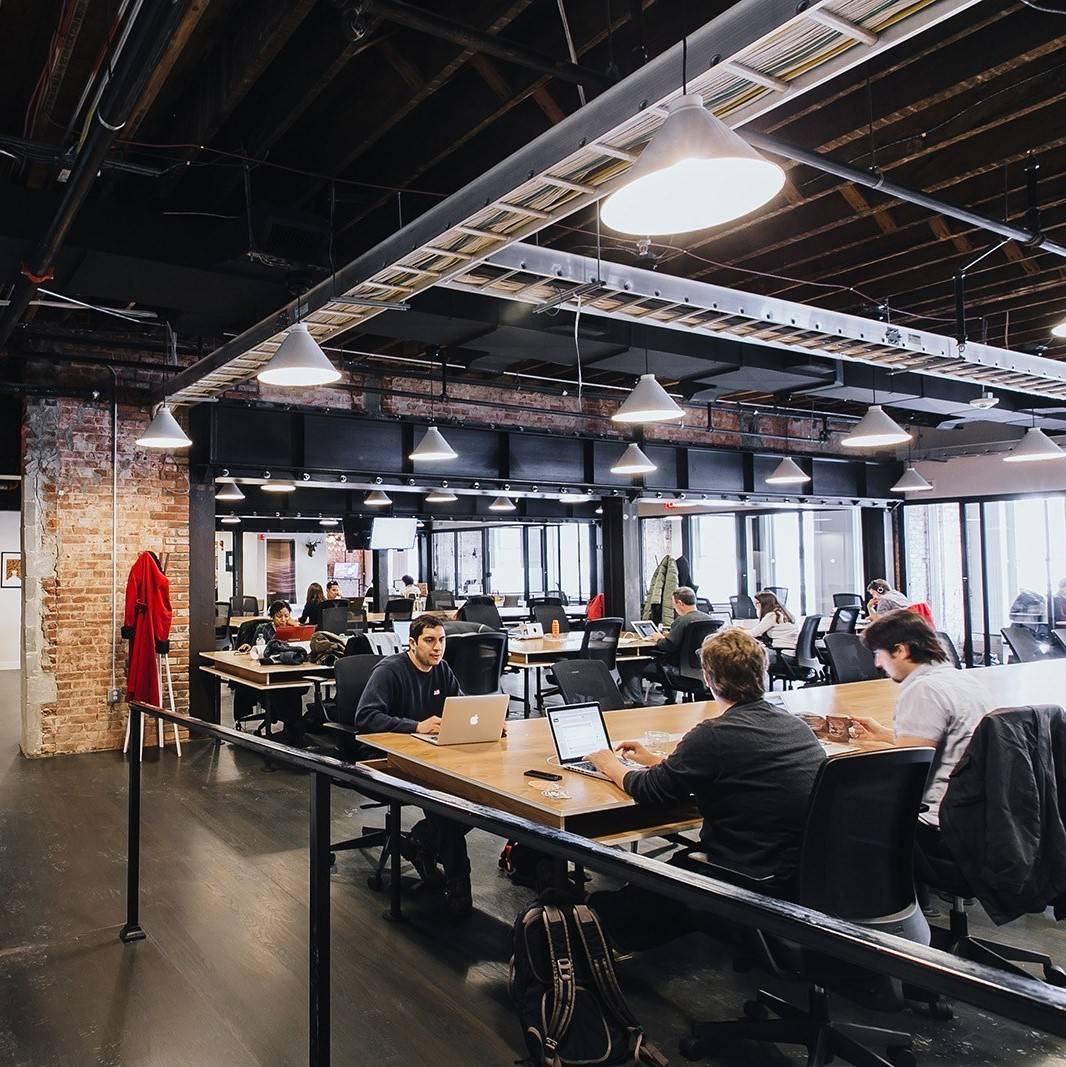 More than half of US based employees (54 percent) with the chance to work remotely say they are most productive when they work outside a traditional office environment, such as at home, in a coffee shop, or in a coworking space, according to a new survey by research firm Clutch. Over two-thirds (68 percent) of workers surveyed work in a traditional office. However, higher productivity isn’t the only reason employees prefer other workspace options. Over a quarter (26 percent) of employees who have some degree of flexibility say a better work-life balance is the top benefit of working outside the office. Other benefits include flexible work hours (21 percent) and fewer distractions (18 percent).
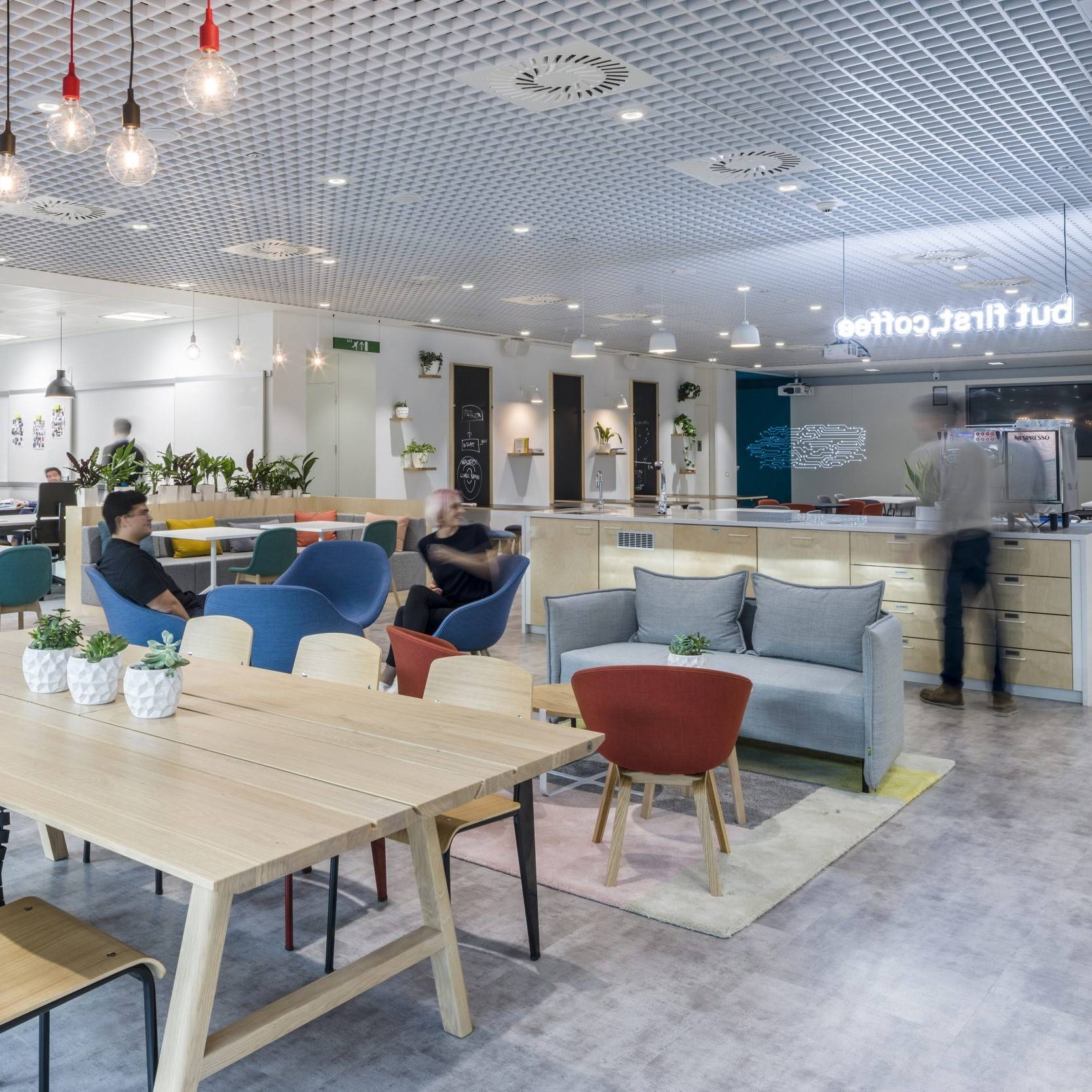
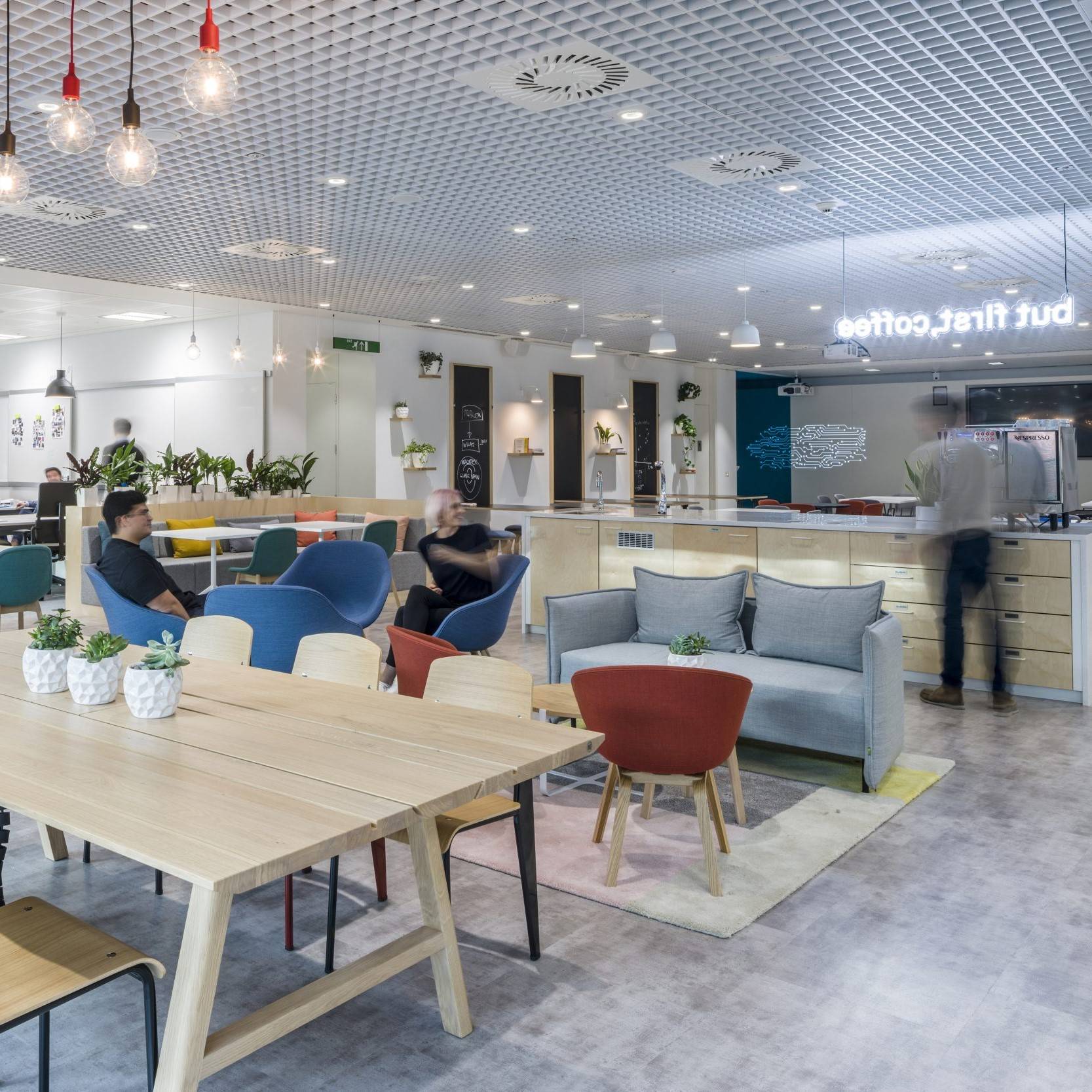

 One in 10 women blame workplace banter for causing mental health issues and are twice as likely as men to have been negatively affected by workplace banter, according to a new report by The Institute of Leadership & Management. Banter: Just a bit of fun or crossing the line? found that more women (twice as many at 20 percent) were made to feel less confident than their male colleagues due to the negative banter they experienced and 10 percent of women said banter has had a negative impact on their mental health, compared to just three percent of men. The survey also revealed that those at the mid-way point in their careers (31-40 years) are most affected by banter. This age group reported loss in confidence, drops in performance and poor mental health due to experiencing negative banter. They also said they avoided work situations and skipped work socials. The findings showed that over a third of graduate trainees have been left embarrassed by banter and people (over 1 in 4) in their first job are more likely to avoid work socials than any other group as a result of banter.
















June 4, 2018
Your happiness at work is not just down to your employer
by Cary Cooper and Ivan Robertson • Comment, Wellbeing, Workplace design
(more…)