







March 5, 2018
About time we simply accepted that coworking and flexible working are the new normal
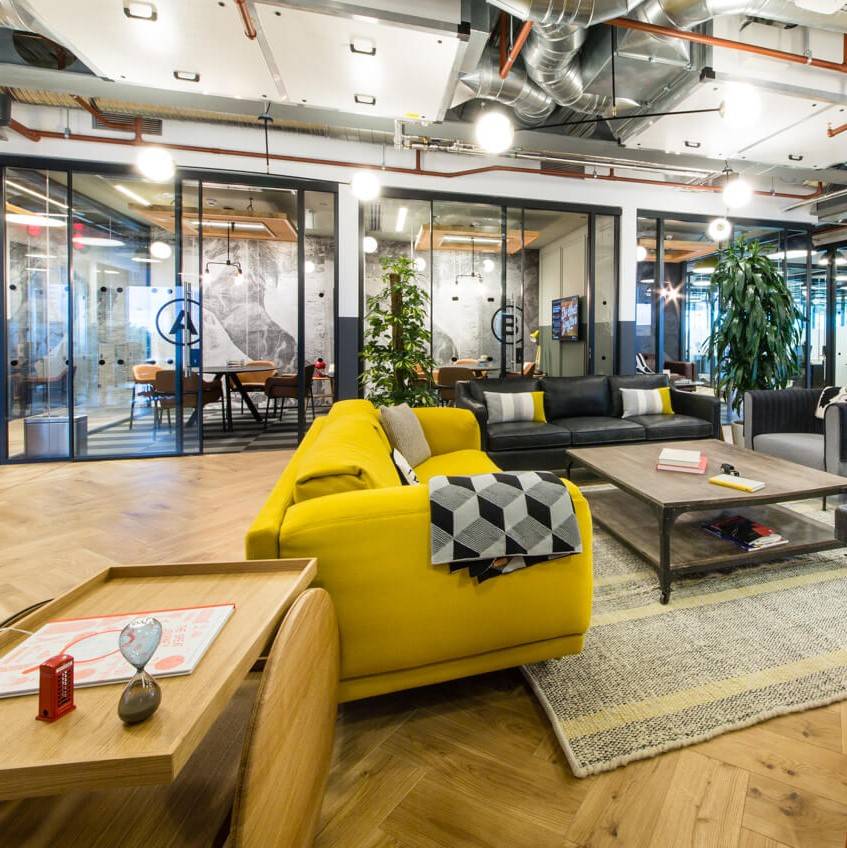 Ask someone to list innovative companies which have become notable disruptors in their market and they invariably respond with two names – Uber and Airbnb. That is because both brands are positioned squarely and successfully at the retail consumer: for people who use a taxi or take an occasional short break in a foreign city, they have become the automatic default options. But there is another equally successful business targeting the corporate space, aimed particularly at small businesses and millennial tech start-ups: WeWork. Just like Uber and Airbnb, it is less than a decade old. In that time, WeWork’s ambition of being the world’s leading coworking company has been realised. Championing itself as a disruption revolutionary, it has succeeded more prosaically by ‘creating environments that increase productivity, innovation, and collaboration,’ according to its website. WeWork’s model involves renting office space cheaply via long-term lease contracts. Small units are then re-rented at higher rates to start up companies which are happy to pay a premium because they need very little space.




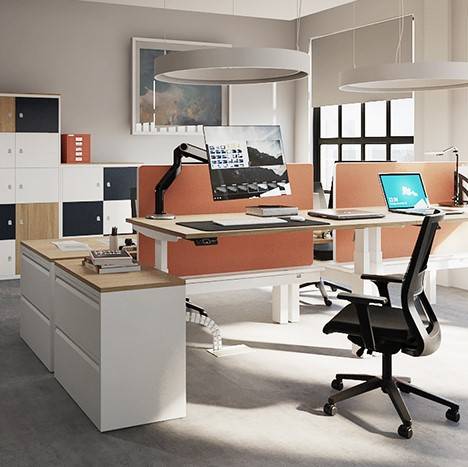



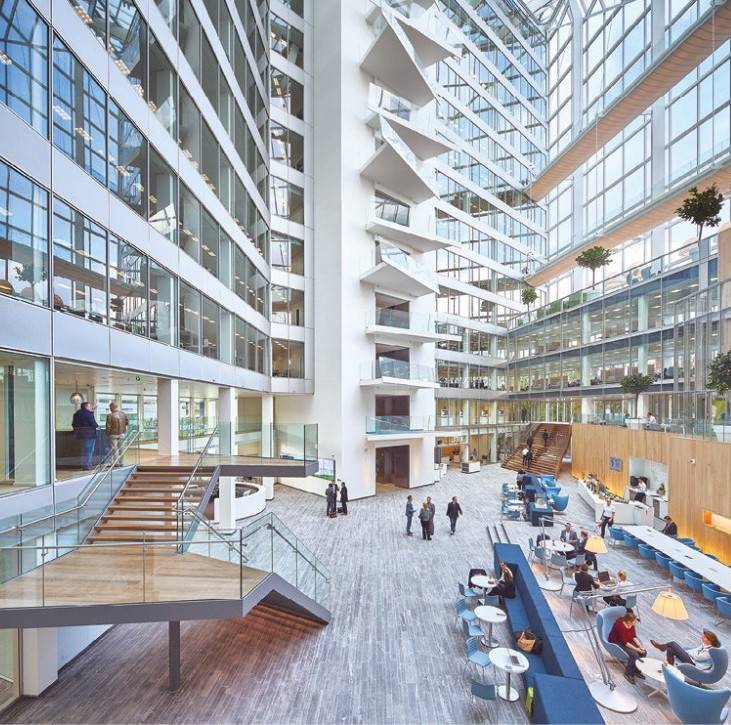
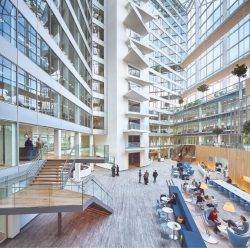 The creative team behind the development of the world’s most sustainable building – The Edge in Amsterdam – has announced the launch of a real estate technology company. EDGE Technologies, launched by OVG Real Estate CEO Coen van Oostrom will focus on creating a new generation of buildings which feature the latest innovations in sustainability and wellbeing. Whereas parent company OVG is focussed exclusively on the development of its existing portfolio, EDGE Technologies will focus on both the development and the long-term operations of this new generation of buildings, aiming for a cohesive experience across cities. Each EDGE building will be built and operated on the same technology platform and offer consistent user-centred design, created to serve the needs of today’s fast-changing and demanding workforce. To help achieve this the new company is launching a product that will capture and aggregate data across its properties in order to optimize, measure and inform both the user experience and the building’s environmental performance.











March 15, 2018
What the Chancellor’s Spring Statement means for the employment landscape
by Oliver Shaw • Comment, Workplace
(more…)