






June 19, 2018
Improving employment of older people could boost UK GDP by £180bn
 GDP could be boosted by around £180 billion a year if the UK could match New Zealand’s employment rates for the over-55s. While employment of older workers has improved in the UK in recent years, it still ranks only 21st out of 35 OECD countries according to new analysis from PwC. The consultancy’s Golden Age Index is a weighted average of indicators – including employment, earnings and training – that reflect the labour market impact of workers aged over 55. Iceland tops the rankings followed by New Zealand and Israel. For the OECD as a whole, there is a potential $3.5 trillion economic prize from matching New Zealand’s employment rates for the over-55s.



 Business Secretary Greg Clark proposed new laws in Parliament yesterday (June 11th) that new large firms will have to justify their chief executives’ salaries and reveal the gap to their average UK worker. It means that for the first time, UK listed companies with more than 250 UK employees will have to disclose and explain this difference – known as ‘pay ratios’ – every year. However, according to data published today by the Chartered Management Institute (CMI) and


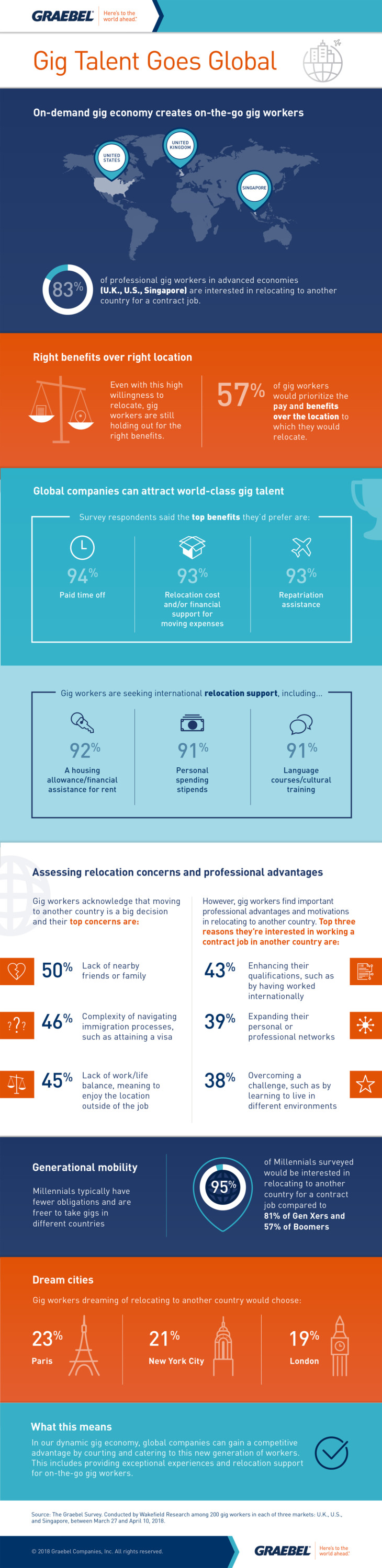
 UK businesses are already one of the top employers of short contract “gig workers” at an international scale and with Brexit just around the corner, a new






 Companies will need more, not less people, in the near-term to meet the demand stimulated by automation, claims a new report from ManpowerGroup. The report – Robots Need Not Apply: Human Solutions in the Skills, found that 91 percent of employers in the US will maintain or increase headcount in the next two to three years as industries shift to more advanced, automated processes. The report provides a real-time view of the impact of automation on headcount, the functions most affected and the soft skills that are both of greatest value and hardest to find. Frontline and Customer-Facing functions anticipate the most growth as organisations place higher value on customer service and human interaction. Manufacturing and Production functions are close behind. Back-office functions that are routine or add less value to customer interactions are under greatest threat as organisations implement new technology to drive efficiency. In this Skills Revolution the best blend of high-tech and high-touch will be the combination of human strengths with technical and digital know-how: 61 percent of companies say communication skills, written and verbal, are their most valued soft skill followed by customer service, collaboration and problem-solving.








June 13, 2018
US companies are waking up to the benefits of caring for employee mental health
by Colleen O'Day • Comment, Wellbeing
(more…)