





March 9, 2017
London, New York and Hong Kong are most expensive cities to rent office space 0
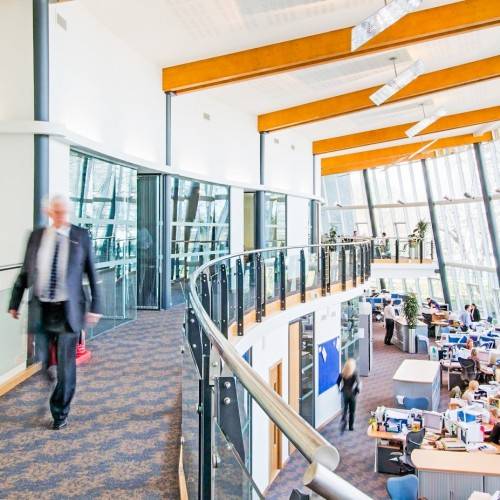
London has been named the third most expensive city in the world for office space, behind New York and Hong Kong, according to an analysis by Kit Out My Office on office rental prices. The analysis mirrors many similar studies that identify these cities as the most expensive on the planet in which to do business. The report looked at the cost of leasing office space of 10,000 square foot and associated business costs, such as property tax, service charges, and Internet access. However, all is not doom-and-gloom for businesses looking to relocate or start-up in London. Initiatives and grants are available for businesses, such as Enterprise Investment Schemes and R&D tax credits. The report claims that alongside being named the third most expensive city for office space, the decision by the UK to leave the EU has caused an air of uncertainty and posed many questions that are still unanswered. For example, how will EU workers be treated and will there be levies for companies that trade with Europe.


The average amount of overtime workers put in equates to around 68 working days a year and the fact that only one third are paid for this means the majority of people are essentially working for free until the 9th of March each year, claims a new study. The research by TotallyMoney.com with OnePoll, which looked into overtime in the UK in 2017 found that unsurprisingly 60 percent of British workers say they don’t have a good work-life balance. Common reasons given for working overtime were pressures from colleague and excessive workloads; with almost 65 percent of people surveyed not being paid for overtime worked. Only a third of British workers say they typically leave work on time; which ties in with recent TUC analysis which revealed that the number of employees working longer hours grew by 15 percent over the last five years. Working longer hours, warns the union, not only has negative impacts on health, but can actually lead to workers being less productive.
Demand for construction workers in London looks set to grow due to the completion of Crossrail and the extension of the Northern Line alongside other infrastructure projects. But a new analysis reveals the Capital is struggling to attract and train the workforce needed; with London and the South East having a shortfall of 60,000 people in the construction industry. This is according to a first of its kind analysis of the role of migration on London’s economy by London First and PwC.
Fostering behavioural change among employees to encourage them to make healthier lifestyle choices could deliver both productivity gains and economic growth, a new report claims. According to Human-Centric Health: Behaviour Change and the Prevention of Non-Communicable Diseases, by the World Economic Forum in collaboration with Willis Towers Watson, behavioural economics will be critical to encourage healthier lifestyles and reduce the burden of non-communicable diseases (cardiovascular disease, mental illness, cancer, chronic respiratory disease and diabetes) that account for approximately 16 million premature deaths annually and will cost an estimated cumulative loss of $47 trillion in economic activity worldwide over the next two decades. According to the analysis, technology such as mobile phones with accelerometers that make activity challenges easier and engage individuals in a community of supportive peers will improve people’s understanding of health-related knowledge and encourage them to reshape their behaviour. Linking individuals to ‘commitment contracts’ to exercise, quit smoking, or adhere to medicine prescription schedules will also be easier to monitor using sensors and mobile technology.

March 8, 2017
In a crowd of truths, we can discern and reclaim what it means to be human 0
by Neil Usher • Comment, Facilities management, Technology, Workplace design
(more…)