






March 6, 2017
US employers turn to perks and office design to increase employee retention 0
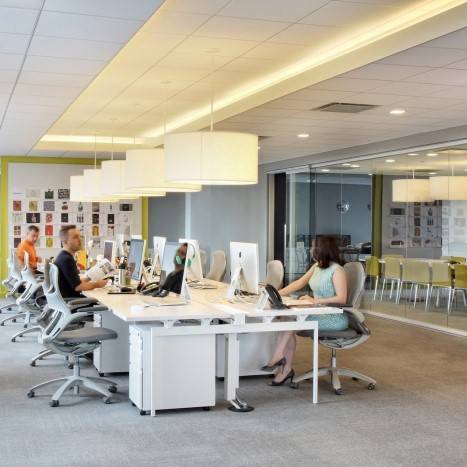 Younger workers are less and less loyal to employers, which is driving firms to place greater emphasis on benefits, empowerment and a better working environment, according to a study from ReportLinker. The small scale online study of 500 people found that Millennials are less likely than older generations to say they’re highly committed to their employer, with just 40 percent saying they somewhat agree with this statement compared to 66 percent of older workers say they’re highly committed to their organisation. The report concludes that this is encouraging employers to introduce new ways of winning the loyalty of employees. For example, 87 percent of employees who are more involved in decision-making are also more likely to say they are committed to their employers although, as always, we should be wary of the distinction between correlation and causation.

 Demand for construction workers in London looks set to grow due to the completion of Crossrail and the extension of the Northern Line alongside other infrastructure projects. But a new analysis reveals the Capital is struggling to attract and train the workforce needed; with London and the South East having a shortfall of 60,000 people in the construction industry. This is according to a first of its kind analysis of the role of migration on London’s economy by London First and PwC.


 Very few organisations are ready to manage a workforce where the latest technologies and people work side by side. Just 13 percent of UK companies are ready to respond to digital disruption and create “the organisation of the future”; despite 88 per cent believing this has become a priority. This is according to the 2017 Deloitte Global Human Capital Trends survey, which tracks the top trends shaping the agenda for HR and business leaders. However, while UK companies believe they are ill-prepared for the change brought by digital disruption, this has not stopped many of them from embracing disruptive technologies. 42 per cent report that they have adopted robotics, cognitive and artificial intelligence (AI) technologies within all or parts of their workforce. Another 42 per cent are running pilots in certain areas of their organisation. But only 16 per cent say they are ready to manage a workforce with people, robots and AI working side by side.


 New and updated guidance s being published today by Acas to help employers and their staff understand the many different types of employment arrangements that exist in the modern workplace and their legal entitlements. The revised guidance is released against the backdrop of Matthew Taylor (Chief Executive of the Royal Society of the Arts)


 Implementing new technologies over the next 12 months is of primary importance for senior managers, with nearly two-fifths of finance directors saying digital transformation is one of their greatest priorities. Against a backdrop of economic uncertainty, chief financial officers (CFOs) are focusing on increasing profitability (41 percent) and driving overall company growth (39 percent) in the year ahead, according to research from,













February 28, 2017
A report into facilities management that is hard to swallow 0
by Simon Heath • Comment, Facilities management
(more…)