To provide the best experiences, we use technologies like cookies to store and/or access device information. Consenting to these technologies will allow us to process data such as browsing behaviour or unique IDs on this site. Not consenting or withdrawing consent, may adversely affect certain features and functions.
The technical storage or access is strictly necessary for the legitimate purpose of enabling the use of a specific service explicitly requested by the subscriber or user, or for the sole purpose of carrying out the transmission of a communication over an electronic communications network.
The technical storage or access is necessary for the legitimate purpose of storing preferences that are not requested by the subscriber or user.
The technical storage or access that is used exclusively for statistical purposes.
The technical storage or access that is used exclusively for anonymous statistical purposes. Without a subpoena, voluntary compliance on the part of your Internet Service Provider, or additional records from a third party, information stored or retrieved for this purpose alone cannot usually be used to identify you.
The technical storage or access is required to create user profiles to send advertising, or to track the user on a website or across several websites for similar marketing purposes.








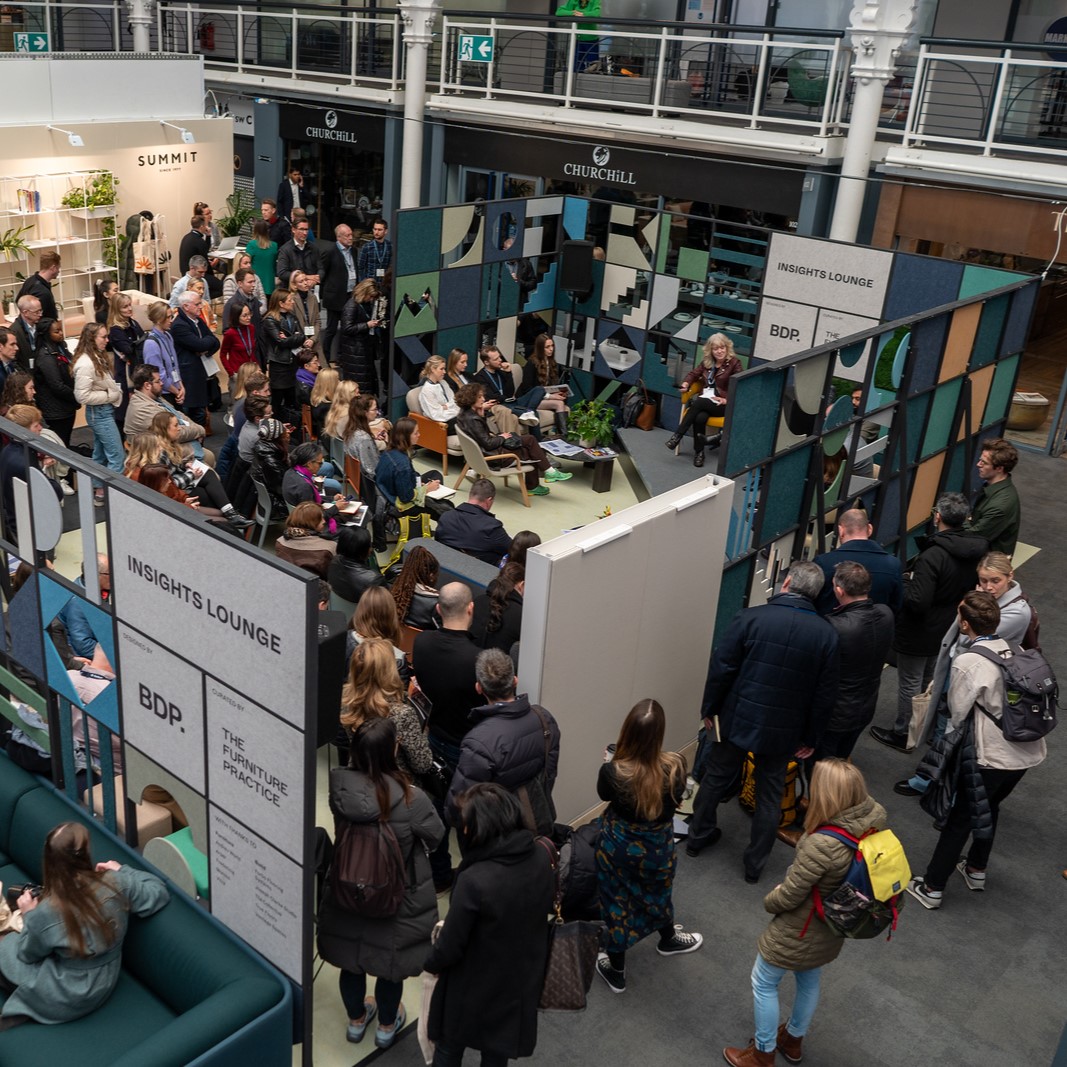 The speaker programme at Workspace Design Show (27-28 February 2024, Business Design Centre, London) has been an integral part since the event’s inception in 2021 and this year is no exception with over 120 speakers featuring across four key elements of discourse. The Workspace Design Talks programme, which will take place in a dedicated space, the Design Talks Lounge (bottom), designed by global design and architecture firm Gensler, will feature inspiring sessions from leading industry professionals over the event’s two days. (more…)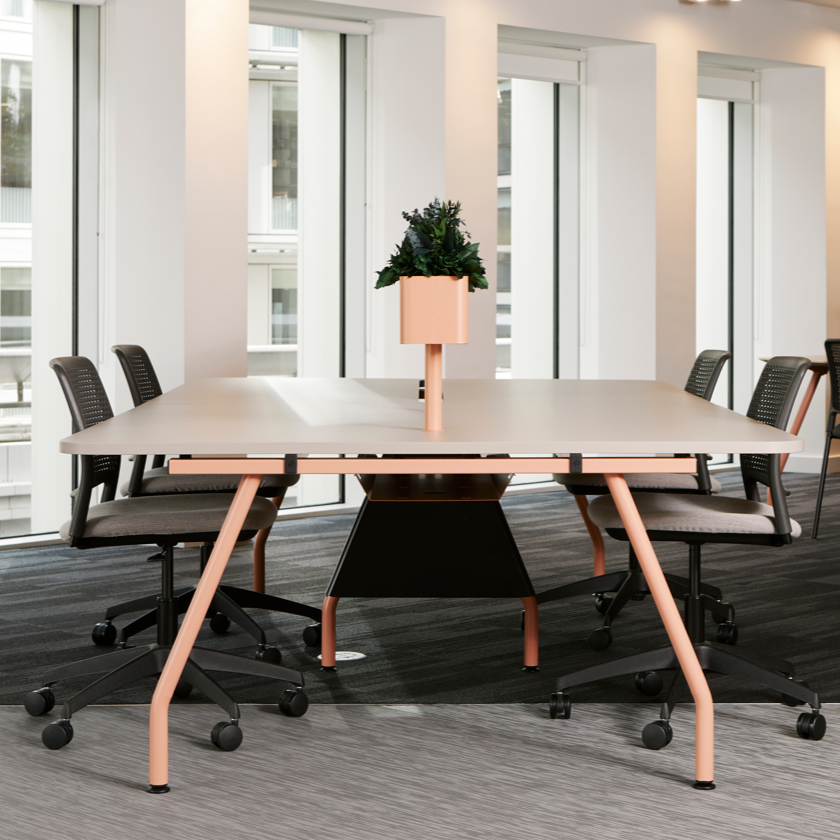
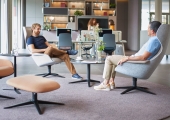
 Named for its distinctive kinked leg bracket, KI’s new product, ‘KI-nk’, is the perfect addition to your office space. It’s available as part of a table system or as a bench and desk collection. The KI-nk Table System is available in a range of sizes and 3 different shapes – circular, square, and rectangular – so it’s easier to choose the right style for the area you want to fit out, whether that’s a meeting room, a breakout space, executive office, reception, or a café area. Worktops can be specified with either a square or chamfered edge.
 Proper management of employee health and wellness is an important facet to consider when striving for success in the workplace. Properly supporting employee health helps them perform better, encourages productivity, prevents losses from absences, enhances job satisfaction, and improves overall morale. Employers can promote employee wellness in different ways, but one area you should consider prioritising is eye care in the workplace.



 While millions of words have been dedicated to the expected changes in post-Covid workstyles – how will people work, where will they work, how will they be supported – very little has been said about their employers: companies and corporations. Yet the anticipated changes to work and the workplace raise questions about the role of the company. Is it one just half of a transaction between employer and employee? Or is it something more? Indeed, what is the role of the company in the modern economy? Is the nature of the company likely to change? The answers could have a greater impact on workstyles than the pandemic.






December 19, 2023
Flexible working is delivering the gift of seasonal productivity
by Frank Weishaupt • Comment, Flexible working, Technology