







December 6, 2018
Siemens new Swiss campus showcases workplace technology and use of BIM in construction
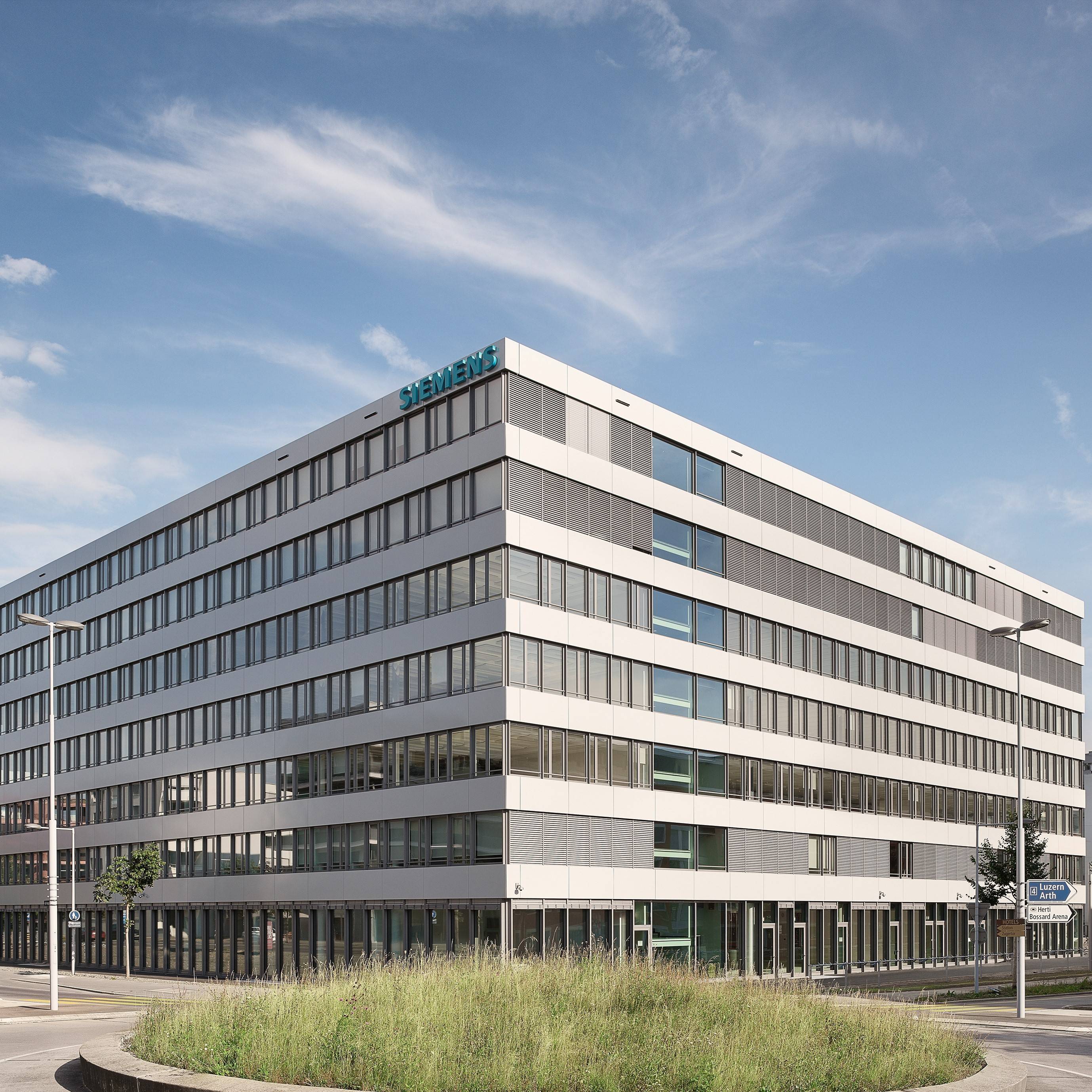 Siemens AG has officially opened its new campus in Zug, Switzerland. The Siemens Zug campus features a new office building with 1,000 work spaces and a newly constructed production building. The investment volume for new buildings, renovations and related measures amounts to CHF 250 million. The campus is the international headquarters of the Siemens Building Technologies (BT) Division, which has 29,000 employees. Construction of the office and production buildings began in May 2016 and was completed in July 2018. The Siemens Zug campus is one of the first new projects to use Building Information Modeling (BIM) for design and construction. The digital twin – a 3D model of the building, enhanced with technical information relevant for later operations – is the foundation for efficient, cost-optimised and forward-looking building management. (more…)
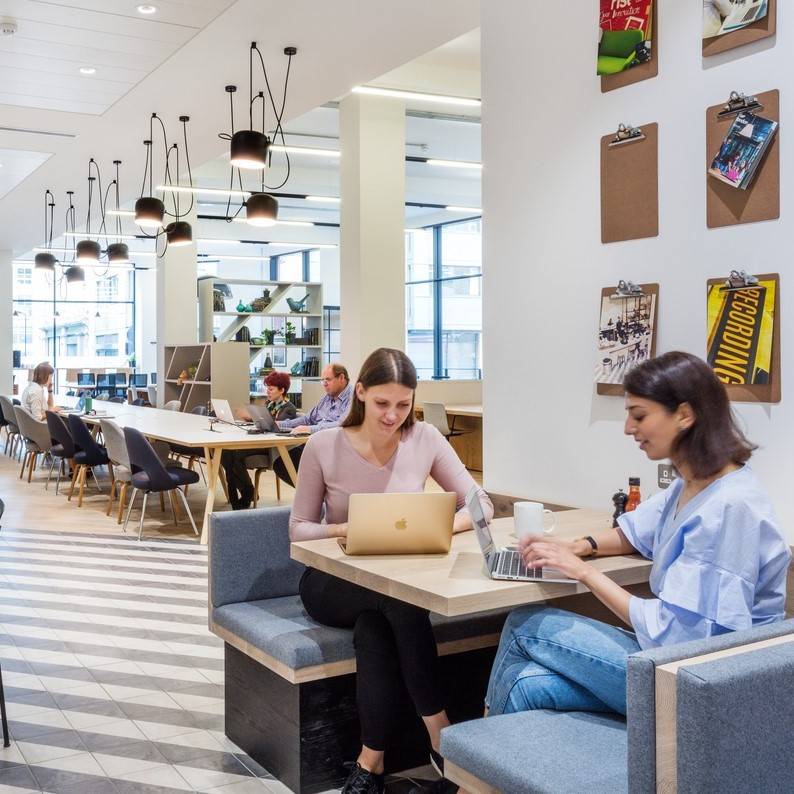

 Over a third (35 percent) of UK workers continue to work when then get home from the office, claims research from













November 15, 2018
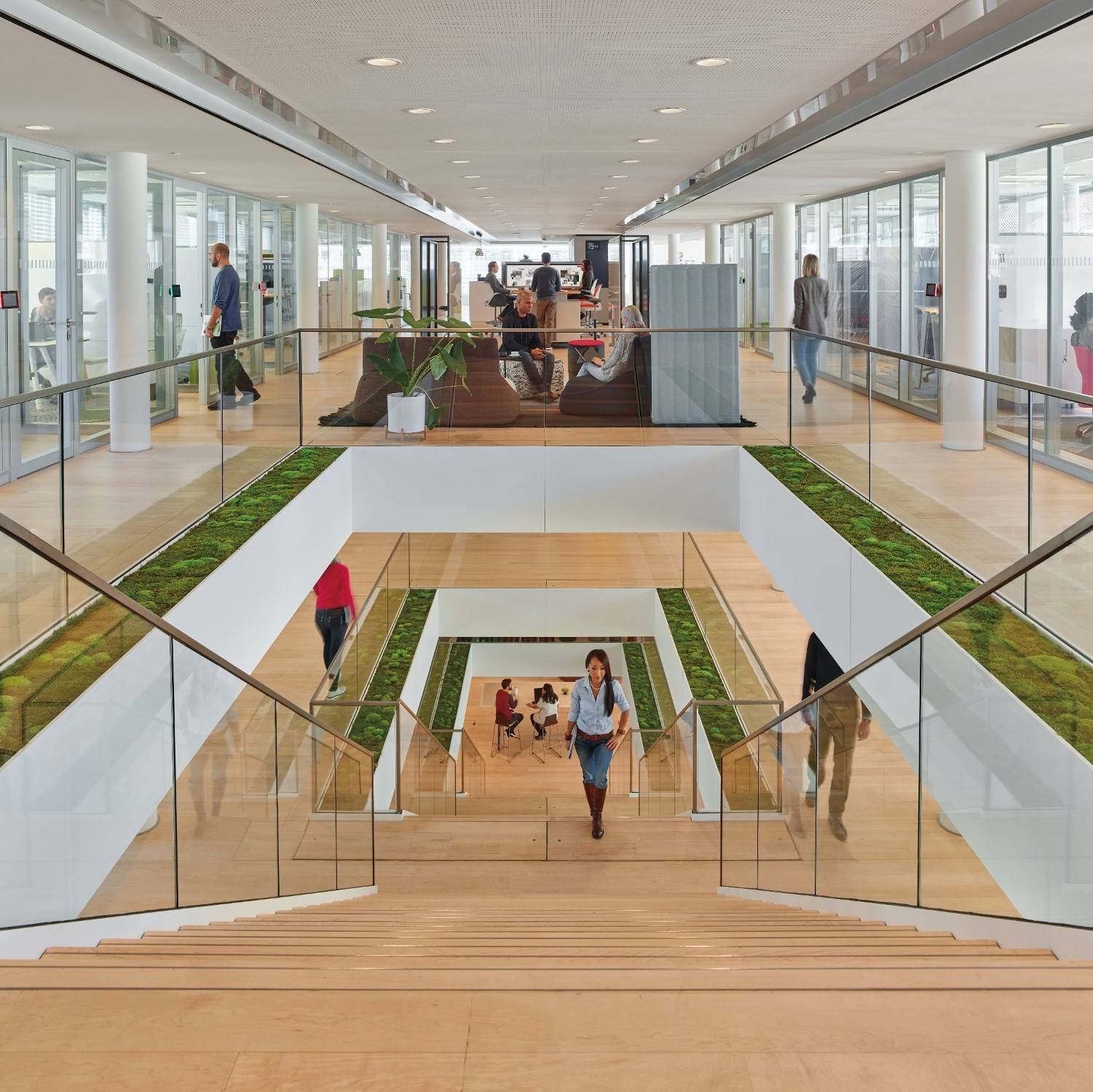
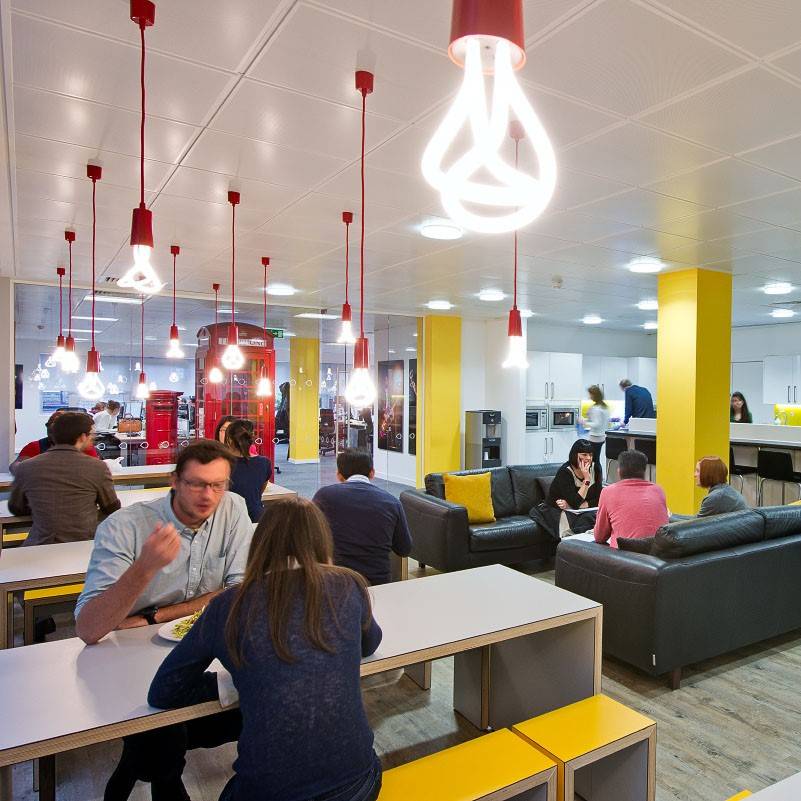
Are you ready for the world of agile working we will experience in the 2020s?
by John Eary and Paul Allsopp • Comment, Facilities management, Workplace design
(more…)