March 26, 2018
Growing disconnect between pay and workplace effort, claims report
 Exclusive polling undertaken by YouGov for Localis showed exactly half of those surveyed felt they were paid less than they deserved, a third (31 percent) paid roughly the right amount and 7 percent felt overpaid. The polling figures also indicated nearly two thirds (61 percent) of people felt unrewarded for hard work. The findings are contained in a report entitled ‘The Delivery of an Industrial Strategy – Raising prosperity across England’ which examines how strategic authorities, such as Mayoral Combined Authorities and county councils, can take the industrial strategy forward at a local level to raise local prosperity and living standards. (more…)



 Work is no longer a place but a set of activities which lead to a set of outcomes that could be delivered anywhere. Or as John Blackwell, Quora Consulting’s Managing Director succinctly described it at the first of the 2018 Quora Smartworking Summit’s held last week, organisations need to create a ‘smart everywhere’ environment. New digital platforms make far it easier for people to work in exactly the way they want. Research by Quora has revealed that there are 5 million people currently working in the UK gig economy or around 15.6 percent of the total workforce. More people are working post retirement age and want to work in a way that they can control, while there are increasing numbers who simply want more autonomy in their lives in the way that self-employment can offer.


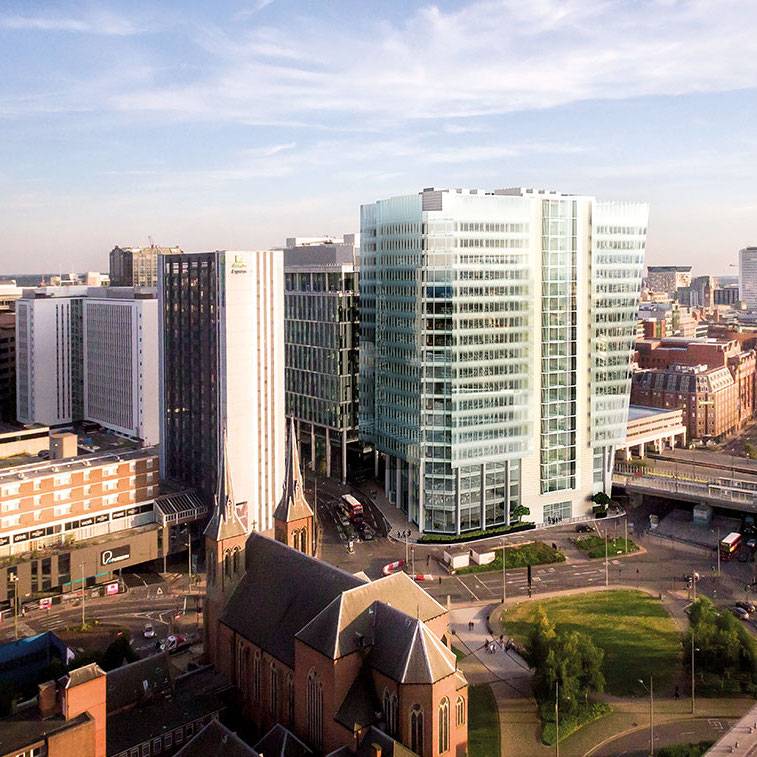
 City centre take up reached 1,005,000 sq ft in Birmingham last year, 51 percent above the 10-year average of 666,000 sq ft which marked a record year, according to Savills Research. Growth was driven in part by the Government Property Unit (GPU) deal, as public services accounted for 27 percent of take-up in the city centre last year, including the 237,000 sq ft pre-let at Arena Central. Birmingham’s boom was also boasted by take-up from serviced office providers that reached 208,000 sq ft during 2017, the highest level on record and this accounted for 21 percent of the total take-up, more than any other regional city. There now remains a shortage of Prime Grade A space in Birmingham city centre following a number of large lettings. Prime Grade A space now stands at only 169,000 sq ft, enough for only six months of take-up at average levels. Major construction project, Three Snowhill won’t complete until the second quarter of next year, when it will deliver 420,000 sq ft of much needed Grade A office space on its completion. Until then, competition among occupiers will further intensify for Grade A space.


 The creative team behind the development of the world’s most sustainable building – The Edge in Amsterdam – has announced the launch of a real estate technology company. EDGE Technologies, launched by OVG Real Estate CEO Coen van Oostrom will focus on creating a new generation of buildings which feature the latest innovations in sustainability and wellbeing. Whereas parent company OVG is focussed exclusively on the development of its existing portfolio, EDGE Technologies will focus on both the development and the long-term operations of this new generation of buildings, aiming for a cohesive experience across cities. Each EDGE building will be built and operated on the same technology platform and offer consistent user-centred design, created to serve the needs of today’s fast-changing and demanding workforce. To help achieve this the new company is launching a product that will capture and aggregate data across its properties in order to optimize, measure and inform both the user experience and the building’s environmental performance.