






July 12, 2022
Downing Street is no longer fit for purpose as an office
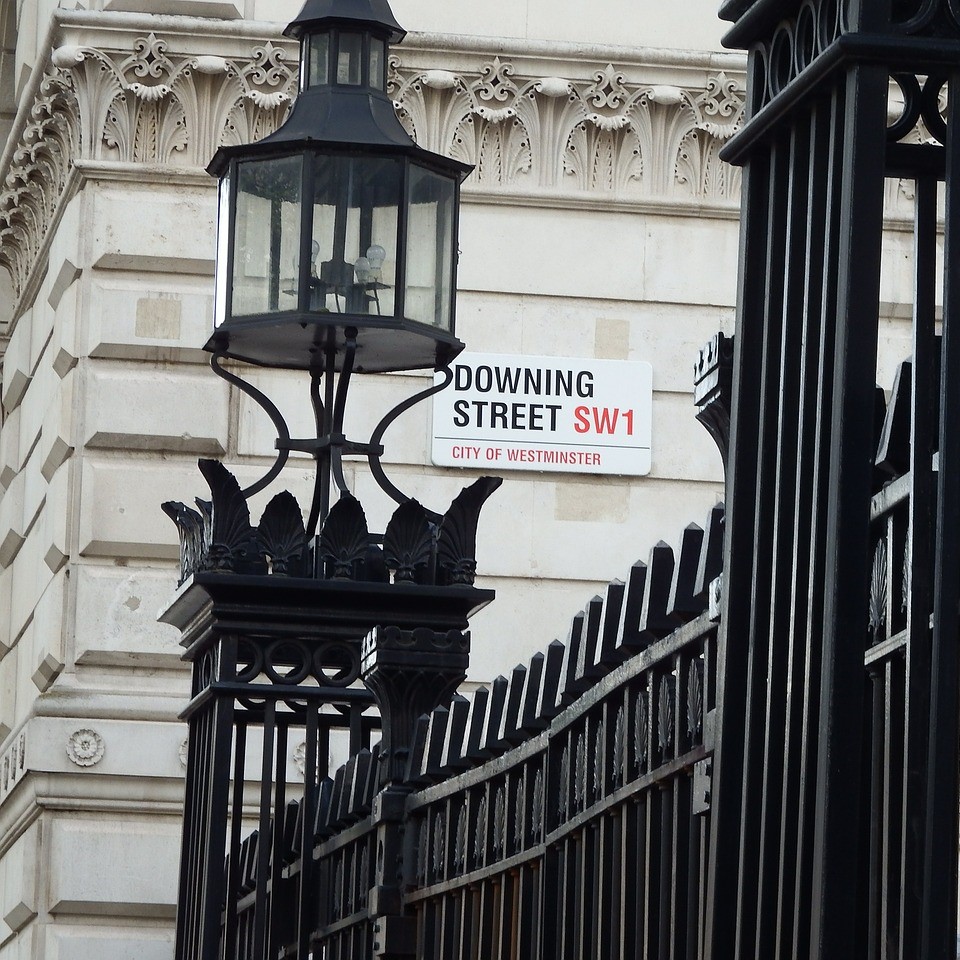 The next Prime Minister needs to move his or her office out of 10 Downing Street and into a modern, efficient office for Government to be effective, says consultancy Advanced Workplace Associates (AWA). Presently up to 400 people work in a suit of cramped buildings across 10, 11 and 12 Downing Street, a complex first built in the 17th century as residences and not significantly updated since the 1980s. Floorplans show over 100 different rooms, including flats occupied by the Prime Minister and the Chancellor of the Exchequer and their families. The layout of the buildings has been described by Whitehall insiders as a “rabbit warren”. (more…)




















June 9, 2022
How I learned to stop worrying and embrace uncertainty
by Mark Eltringham • Comment, Flexible working, Technology