






May 28, 2019
Majority of workers think their workplace is unpleasant
 Many of the UK’s workplaces are unpleasant, uncomfortable and at risk of driving down productivity, according to a new survey from Aspect.co.uk. The poll of 2,000 people claims that 83 percent of UK adults consider their workplace to be an “unpleasant” environment, with many citing uncomfortable temperatures, lack of natural light, unpleasant smells, damp and mould, poor ventilation and even vermin and insects among their complaints. The study set out to identify the most common causes of employee discomfort at work. On the whole, issues related to physical comfort were the most common complaints. 46 percent complained of workplaces that were “too hot”, 43 percent complained of workplaces being “too cold” and 28 percent complained of workplaces having poor ventilation.
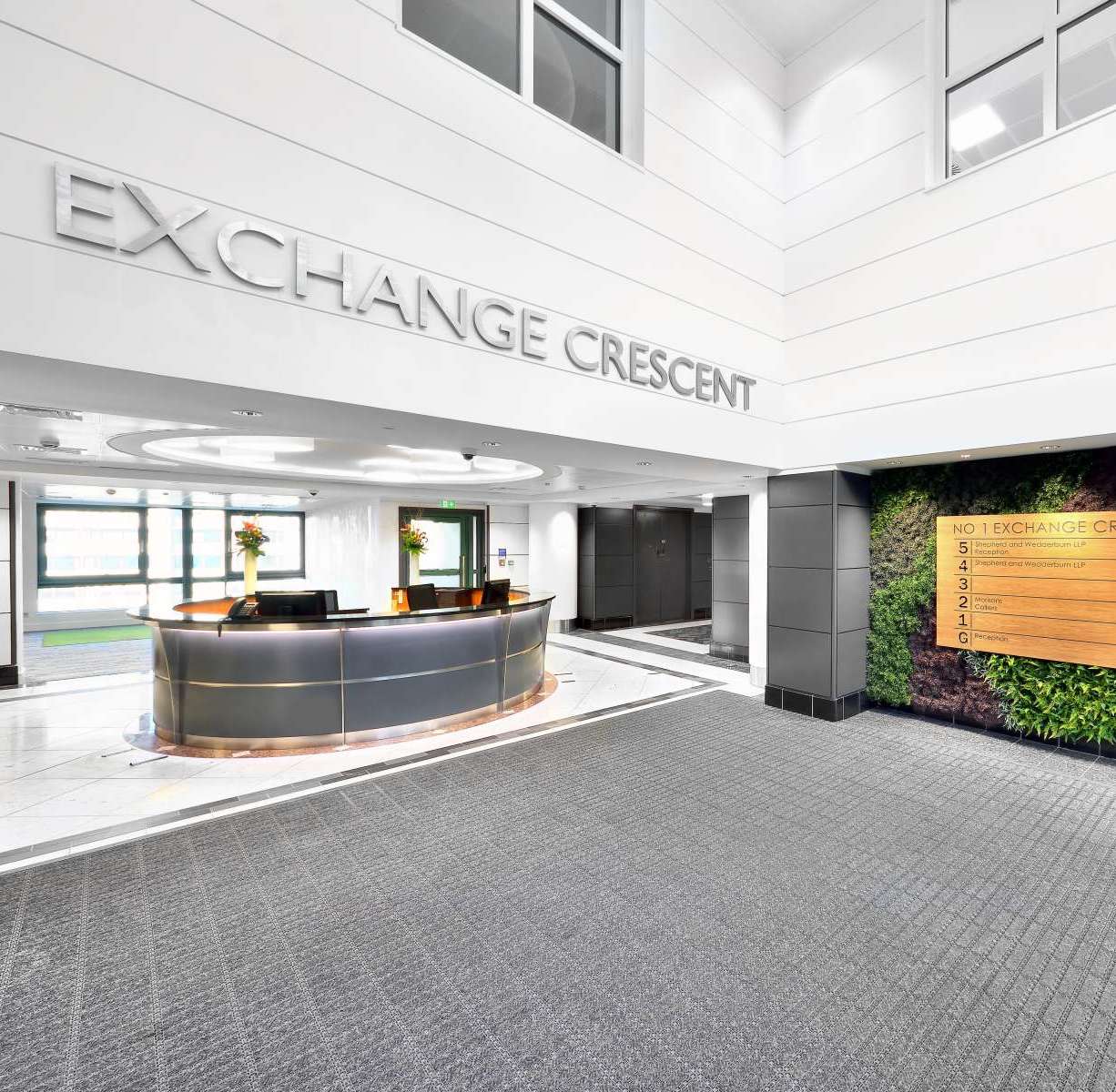
 The majority (90 percent) of Grade A deals for commercial offices in Edinburgh so far this year came from the tech sector,

 The first quarter of 2019 saw take-up of office space in central London at its strongest for six years, as it continues to outperform expectations. This is according to
 BSRIA has launched a new guide that aims to inform those involved in the design, construction and operation of a building about how an effective Business-Focused Maintenance (BFM) regime can be developed and achieved through the Soft Landings approach. The topic guide on Soft Landings and BFM is written as an ‘at a glance publication’ to give readers a glimpse of the subject and recommends further reading.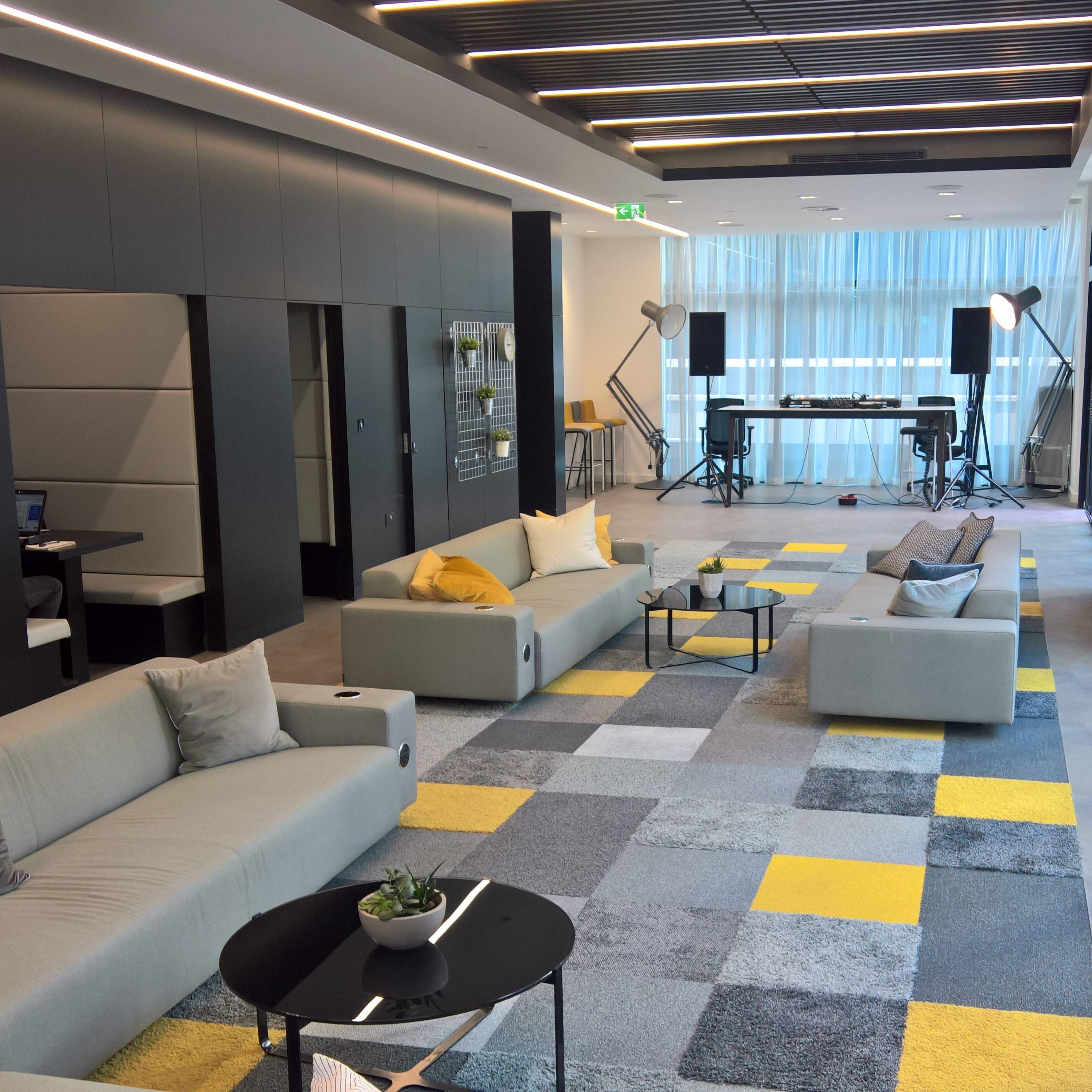
 The UK’s regional cities are competing harder than ever with London to become the location of choice for the tech sector. According to CBRE’s report

 New guidance has been launched by the UK Green Building Council (UKGBC) to assist client organisations to include more ambitious circular design and construction best practices in project briefs for non-domestic projects. It addresses the commercial realities associated with making this practically happen and provides support and evidence to assist clients in setting clear strategies that ensure budget, project timescales and risks are all minimised and mitigated. The guidance may also be helpful for those in the supply chain looking to support construction clients on their journey towards specifying and practically applying circular economy principles.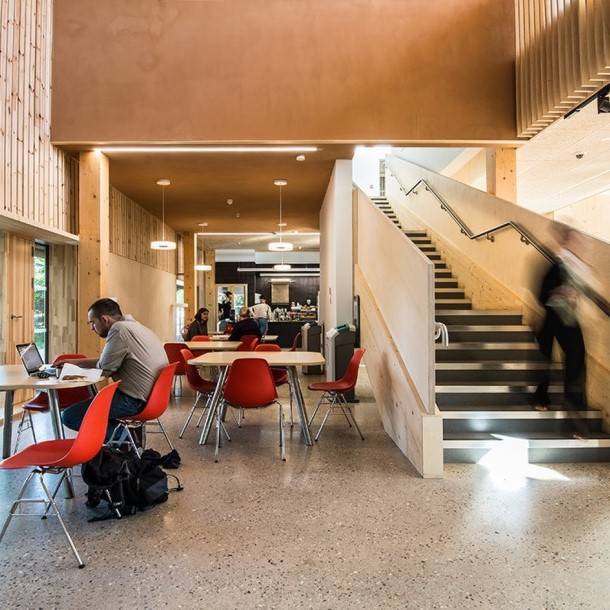

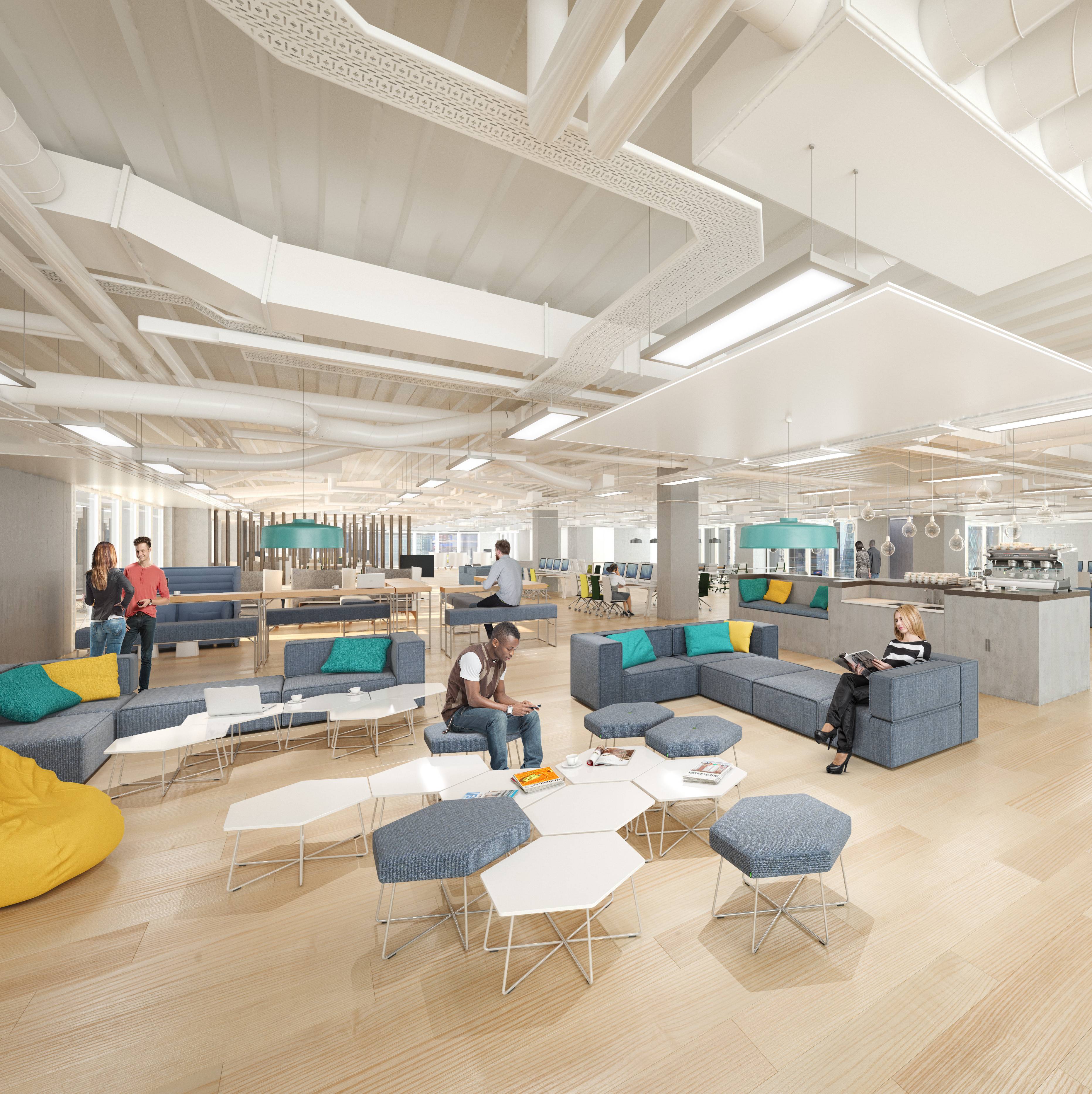
 The corporate appetite for flexible space continues to grow as around two-thirds of occupiers rank employee engagement (68 percent) and talent attraction & development (65 percent) as two of the three most important drivers of corporate real estate (CRE) strategy. According to the 2019 EMEA Occupier Survey by CBRE over a third of companies see labour and skills shortages as a key strategic challenge, double last year’s result. In line with last year’s survey, technology disruption (36 percent) economic uncertainty (43 percent) and cost escalation (31 percent) all feature highly as key challenges for occupiers.








April 11, 2019
What lift design tells us about who we are and how we work
by Mark Eltringham • Comment, Facilities management, Workplace design
(more…)