To provide the best experiences, we use technologies like cookies to store and/or access device information. Consenting to these technologies will allow us to process data such as browsing behaviour or unique IDs on this site. Not consenting or withdrawing consent, may adversely affect certain features and functions.
The technical storage or access is strictly necessary for the legitimate purpose of enabling the use of a specific service explicitly requested by the subscriber or user, or for the sole purpose of carrying out the transmission of a communication over an electronic communications network.
The technical storage or access is necessary for the legitimate purpose of storing preferences that are not requested by the subscriber or user.
The technical storage or access that is used exclusively for statistical purposes.
The technical storage or access that is used exclusively for anonymous statistical purposes. Without a subpoena, voluntary compliance on the part of your Internet Service Provider, or additional records from a third party, information stored or retrieved for this purpose alone cannot usually be used to identify you.
The technical storage or access is required to create user profiles to send advertising, or to track the user on a website or across several websites for similar marketing purposes.








 The Top Employers Institute, a certifier recognising employers that provide world-class employee conditions, has released its list of Certified UK Top Employers for 2019. Over 600 HR professionals gathered at London’s Hilton on Park Lane, on the 31st January 2019, to recognise the best employers in the UK. (more…)



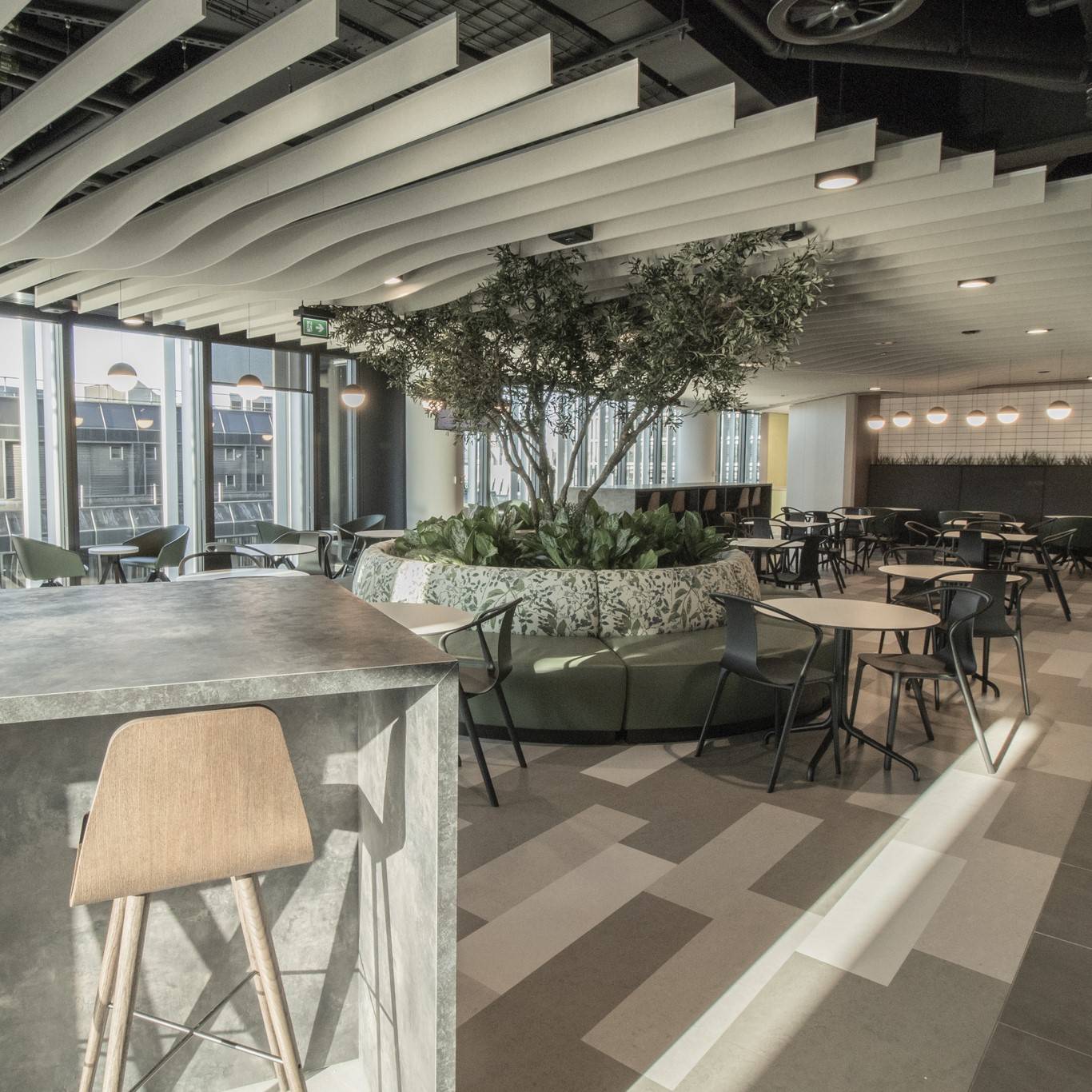



 A new task group spearheaded by the UK Green Building Council (UKGBC) being launched which will develop an industry-led definition for net zero carbon buildings. The task group brings together over thirty experts from across the building value chain and is being supported by 12 leading industry bodies. Following the recent IPCC report and the Paris Climate Agreement, worldwide attention has switched to achieving “net zero emissions” to escape the worst impacts of climate change. To answer this, a global campaign is being led by the World Green Building Council – calling for all new buildings to be net zero carbon in operation by 2030 and all existing buildings to achieve this standard by 2050. Its aim is to build industry consensus on a definition for net zero carbon buildings, which can then be used to advise project designs, planning requirements and building regulations.

 A new report has been published which argues that FM has the power, and responsibility to contribute towards social, economic and political betterment, but to do so the sector needs to be more explicit in the value it offers. Sustainability in facilities management: A Holistic View’ from Active Workplace Solutions claims to explore sustainability within the built environment, analyses how the facilities management (FM) sector can impact wider environmental, social and economic goals and build a holistic strategic picture of sustainability.