December 6, 2018
Siemens new Swiss campus showcases workplace technology and use of BIM in construction
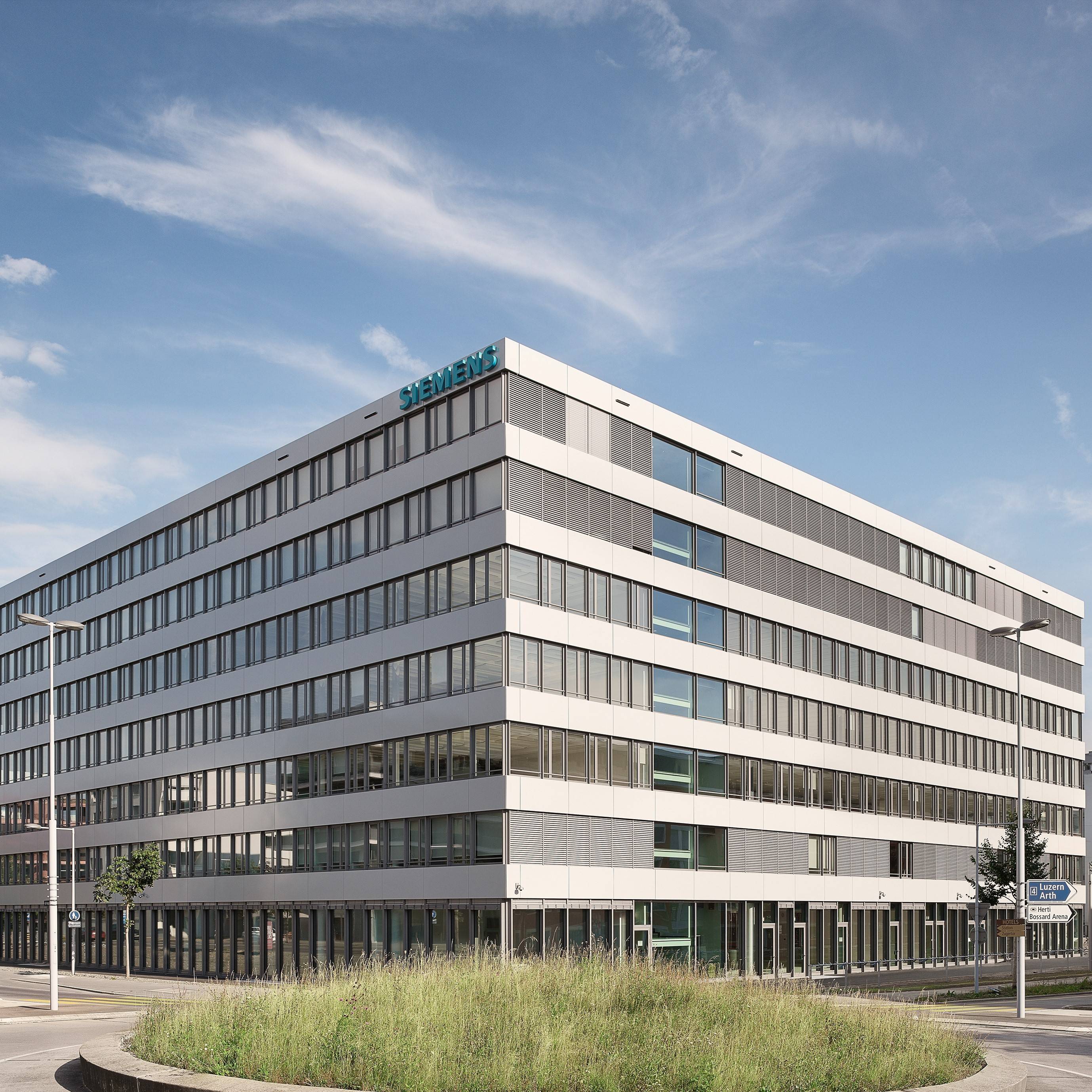 Siemens AG has officially opened its new campus in Zug, Switzerland. The Siemens Zug campus features a new office building with 1,000 work spaces and a newly constructed production building. The investment volume for new buildings, renovations and related measures amounts to CHF 250 million. The campus is the international headquarters of the Siemens Building Technologies (BT) Division, which has 29,000 employees. Construction of the office and production buildings began in May 2016 and was completed in July 2018. The Siemens Zug campus is one of the first new projects to use Building Information Modeling (BIM) for design and construction. The digital twin – a 3D model of the building, enhanced with technical information relevant for later operations – is the foundation for efficient, cost-optimised and forward-looking building management. (more…)
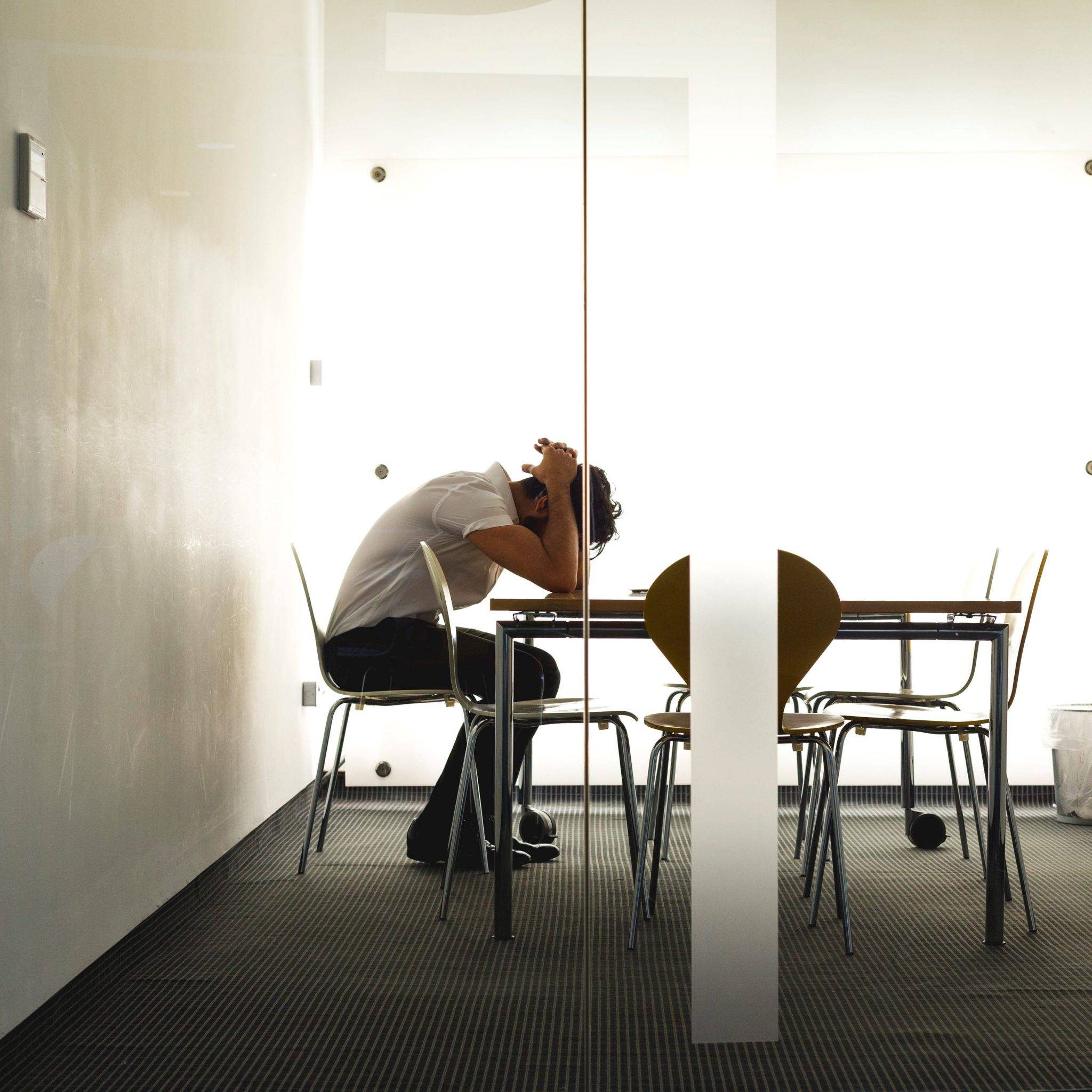
 Well over half of workers do not think enough support is given to employees suffering from mental ill health in the workplace, as according to research released today by Personal Group a startling 39 percent of respondents said their workplace does not offer any mental health support for employees. And of all employees surveyed 66 percent felt their employer does not offer enough support for employee mental health. This corporate apathy felt by employees arrives at a time when awareness of mental health issues in the UK is on the rise. 80 percent of respondents said they had noticed an overall increase in awareness of mental health generally in the UK, however a staggering 62 percent said they noticed no change in the levels of awareness in the workplace.

 IT analyst Gartner has forecasted that by 2022 cloud will make up almost a third of IT spending, but only a quarter of SMEs are properly prepared for it, claims a new study. The Missed Middle study, commissioned by Crown Workspace, found that three quarters of UK SMEs are failing to embrace workplace technologies such as cloud, mobile working and digital devices. This could impact their business agility, security and financial efficiency. Cost is the most common barrier preventing SMEs from creating the optimum workspace that features modern technology. For instance voice technology has seen huge adoption over the past few years, however less than one in five respondents are ready for it in the workplace.
 One year on from #MeToo – just one in four workers agree that international media coverage has helped to improve their workplace culture, according to new research on sexual harassment from Acas. The workplace experts commissioned the study from YouGov to find out whether media reporting on #MeToo and high-profile celebrity cases have had any effect on British workplaces. Only a third (30 percent) of survey respondents believe that incidents of sexual harassment in workplaces have decreased in the last five years.


 The vast majority (97 percent) of office workers in UK feel frustrated by their workplace environments, with many feeling the need to escape office life as a result. A new report from Staples has discovered that one-in-five (22 percent) end up browsing LinkedIn job ads for something better when they’re frustrated. As a result, job-hopping is prolific, with workers now predicted to have 11.7 jobs between the ages of 18 and 48. The expectation that the grass must be greener elsewhere is leaving most thinking about switching jobs. However, when they do end up jumping ship, many just experience a short-term fix. According to the study, a third (37 percent) get frustrated in their new office before the end of their first six months. The majority of office workers say they seek fulfilment (89 percent) at work, and for most (77 percent), the quality of their office workspace is a contributing factor in how fulfilled they feel.
 New research suggests as the supposed ‘technologically savvy’ millennials enter the workforce they are more likely than older workers to break the most basic of security rule, reusing passwords across different accounts. This is according to the results of the 10th Annual Market Pulse Survey from SailPoint Technologies Holdings, which finds that despite an increased focus on cybersecurity awareness in the workplace, employees’ poor cybersecurity habits are getting worse, which is compounded by the speed and complexity of the digital transformation.